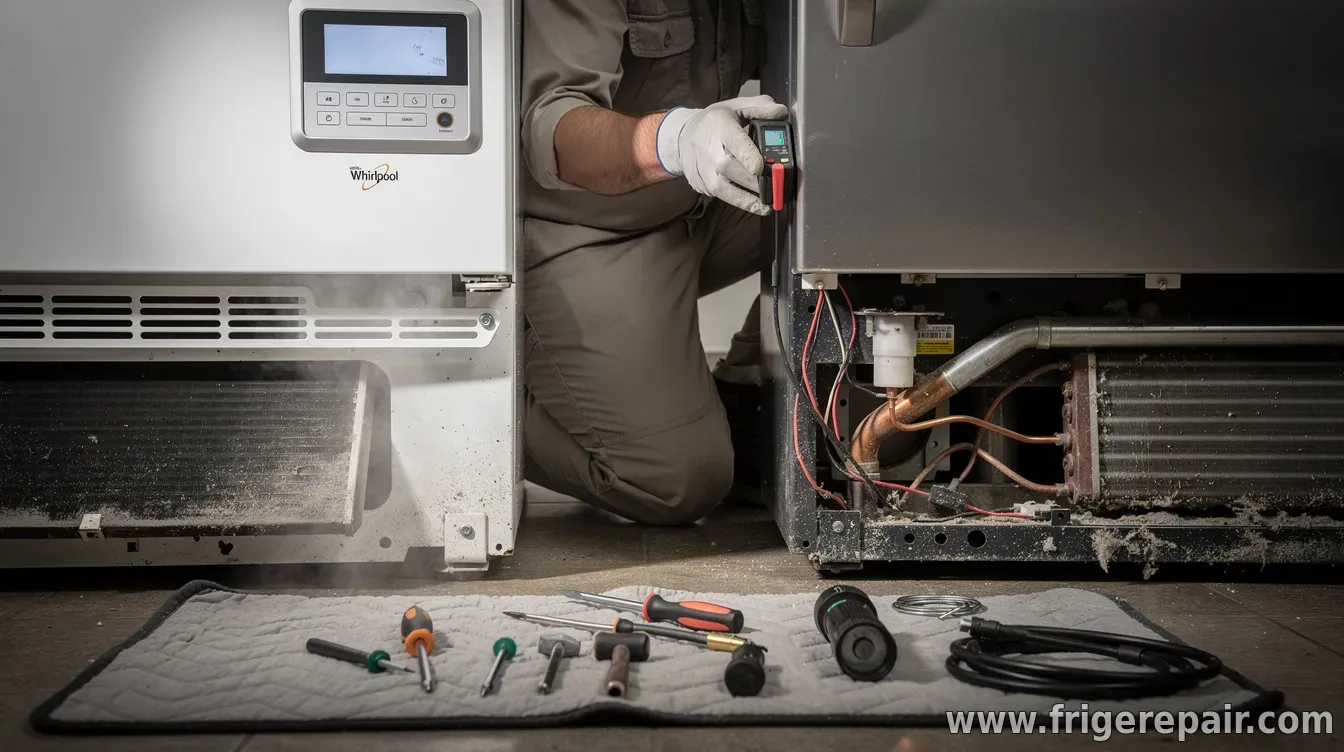
When a Whirlpool or GE refrigerator starts acting up, the first job is identifying the pattern of the problem. Temperature problems that come and go, unusual sounds, water leaks, or indicator lights can point to very different causes—compressor-related issues, sensor faults, defrost failures, or water-line problems.
Because modern refrigerators rely on multiple sensors and control boards, small details matter. Checking a few things early can improve troubleshooting accuracy and reduce the time (and cost) spent on diagnosis.
1) Watch for temperature swings and “warm spots”
If the fridge section warms up, the freezer defrosts too quickly, or you notice inconsistent cooling, start by noting when it happens and whether it affects both compartments or just one. Sudden changes may be linked to the thermostat/temperature sensor, the control board, or airflow issues caused by ice buildup.
For many models, a clogged air path can mimic elect
... Read more »
When the freezer works but the refrigerator doesn’t, the symptoms usually point to a temperature-mismatch caused by poor airflow. In most side-by-side and top-freezer refrigerators, the freezer is where cooling happens; cold air is then routed into the refrigerator compartment through ducts and a damper. If that path is blocked or the control that regulates it fails, the freezer can remain cold while the fridge warms up.
1) A blocked or iced-over air vent
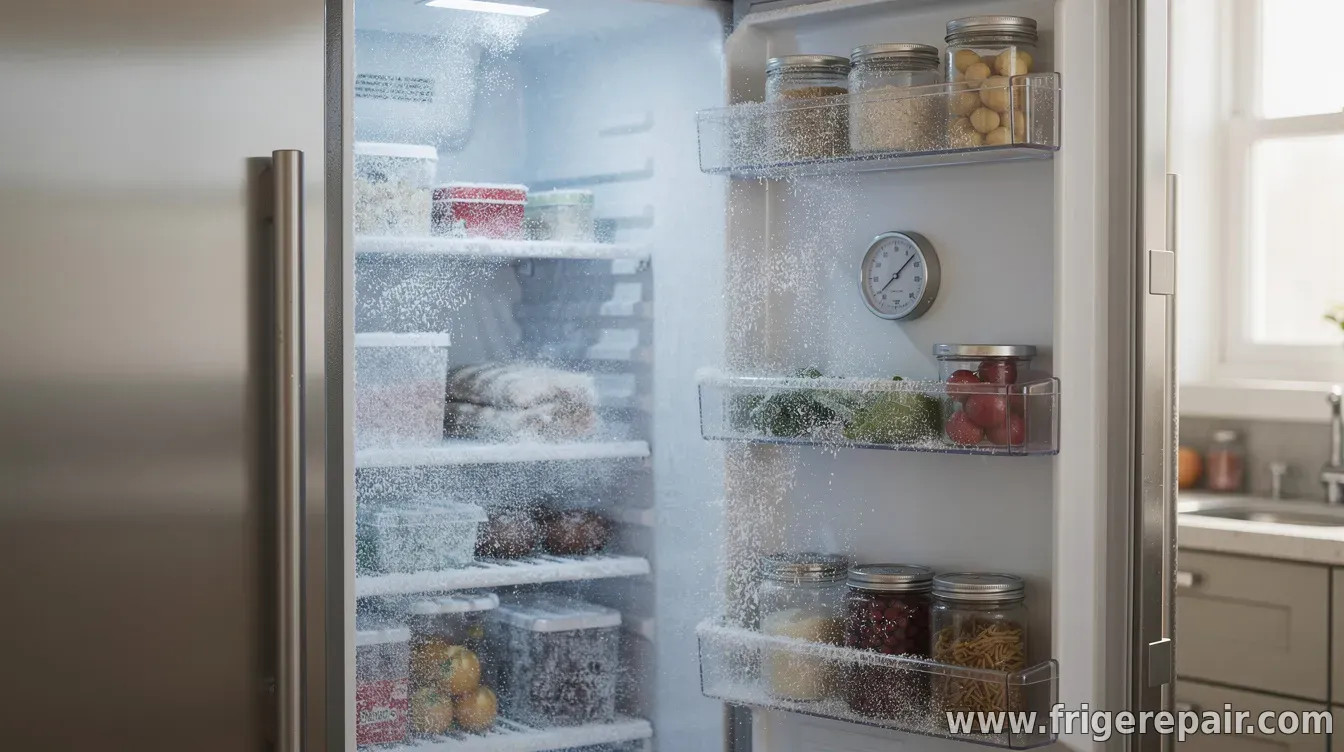
Look for an obstruction between the freezer and the refrigerator—often the most common cause. If the air return or the refrigerator air vent in the freezer is blocked by food, plastic packaging, or ice buildup, cold air can’t circulate properly.
What to check: Remove items that may be blocking the vent and inspect for visible frost or heavy ice around the air channel. If you find significant ice, it may be related to a defrost problem (see below).
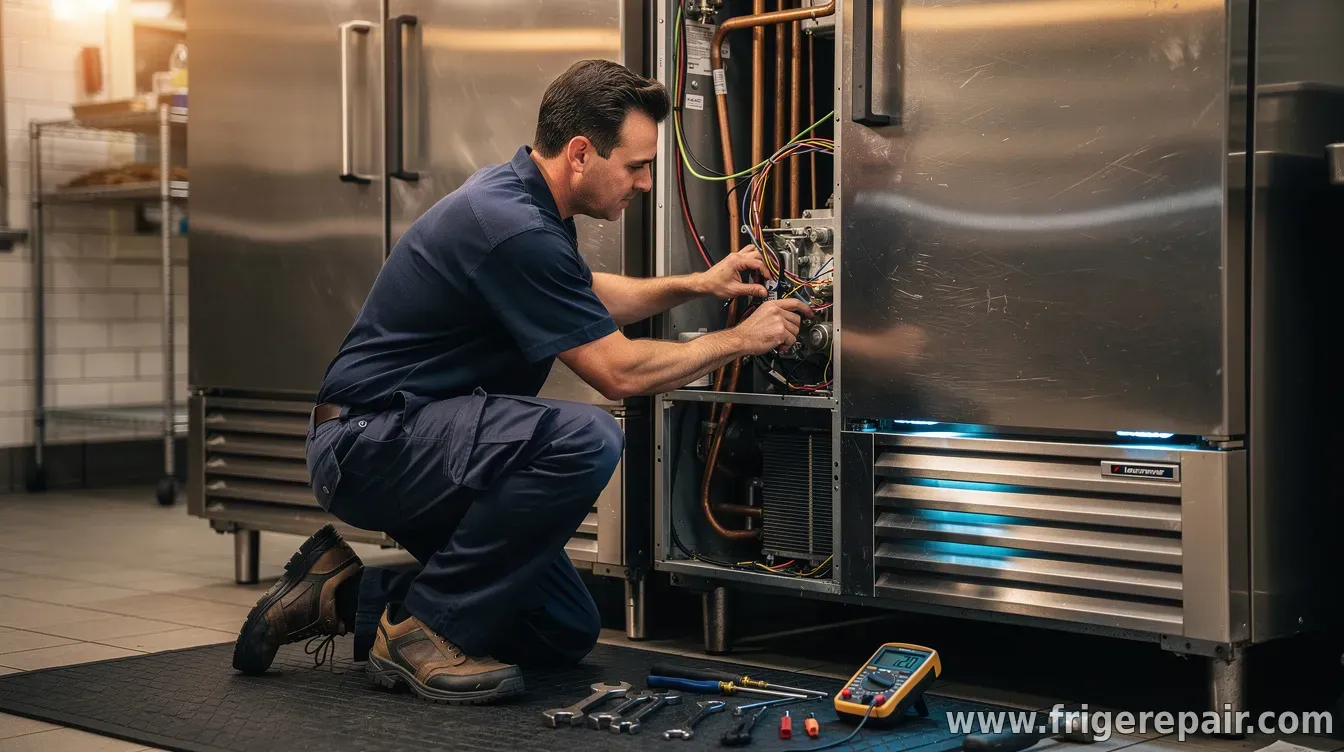
Commercial refrigerator breakdowns can hit operations hard—especially for Brooklyn restaurants and retail stores that rely on steady temperatures to keep inventory safe and compliant. When coolers or freezers stop performing, products can spoil quickly, leading to direct losses and potential health-code concerns.
Specialized commercial refrigerator repair services in Brooklyn focus on diagnosing the root cause of cooling failures rather than relying on temporary fixes. Technicians are equipped to handle the systems commonly found in kitchens and back rooms, including reach-in units, walk-in coolers, upright freezers, and under-counter refrigeration.
Common problems that require commercial repair
Repairs typically begin with a thorough check of temperature performance, airflow, and key components. Many failures trace back to issues such as compressor malfunctions, refrigerant leaks, worn door gaskets, or electrical faults that disrupt cycles.
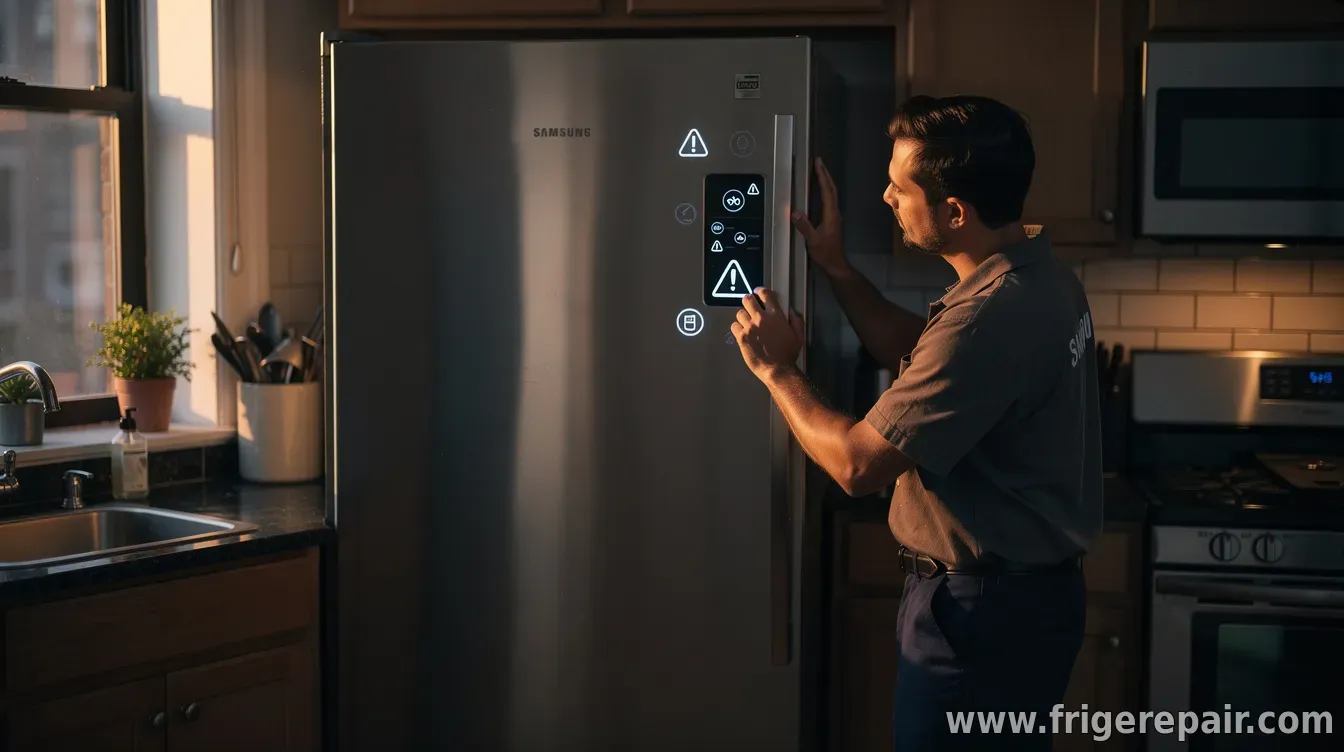
Samsung refrigerators rely on electronic sensors and control boards to monitor temperature, airflow, and the defrost cycle. When something goes out of range—or a sensor can’t read correctly—the unit may display an error code and switch to safety mode to protect food and prevent damage.
For homeowners in Brooklyn dealing with a malfunctioning fridge, the first step is identifying the code you’re seeing. While some issues can be addressed by basic checks, many repairs require diagnostic testing of the relevant components.
How to find and confirm the error code
Start by locating the display (often inside the refrigerator section or on the control panel). Note the exact code (including letters/numbers) and whether it appears continuously or alternates with other indicators. If the display clears after a power cycle, the code may be intermittent—still worth documenting for a service call.
Before troubleshooting, make sure th
... Read more »