
3:54 AM Moving Day Guide: Safely Transport and Reconnect Your Fridge | |
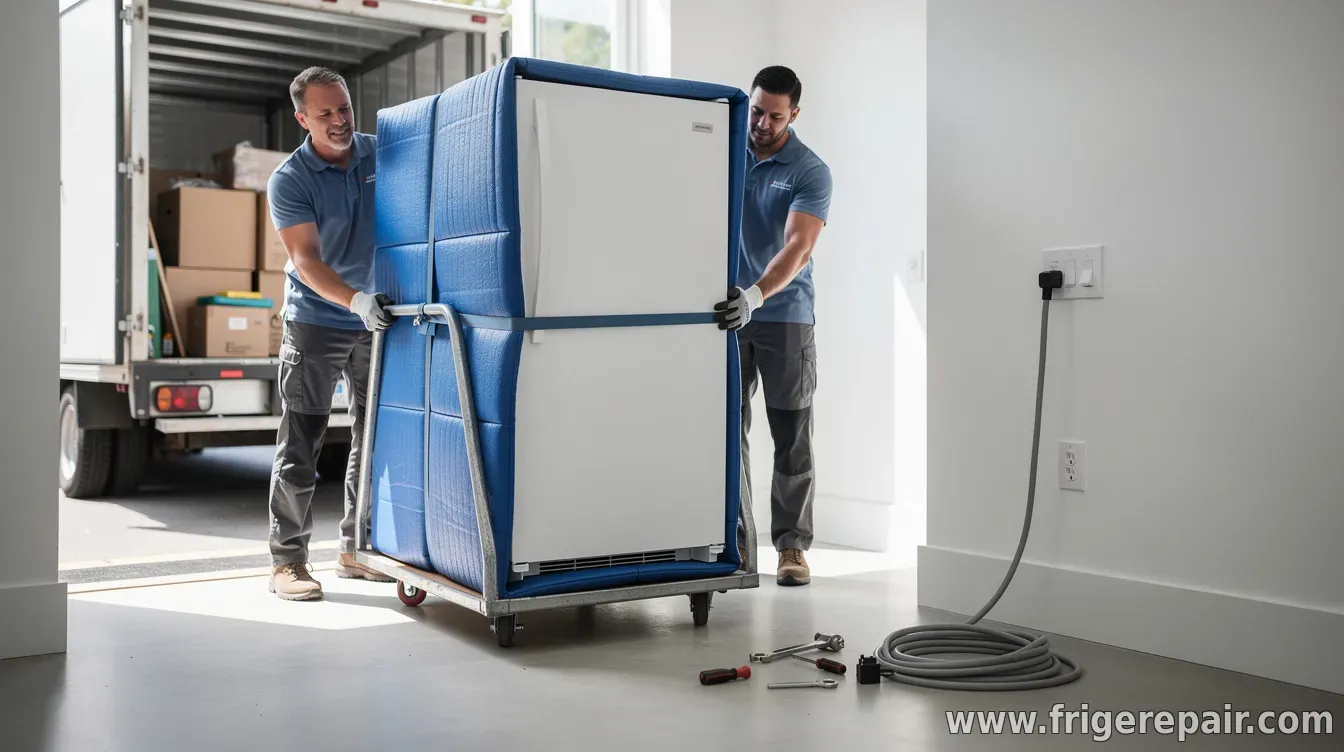 Moving day can be stressful for any home appliance, but refrigerators are especially sensitive to improper handling. The key is to reduce shocks, prevent spills, and allow the unit to settle before powering it back on—so the compressor can operate efficiently. Before you move: Start by preparing the refrigerator at least 24 hours ahead. Clear the interior, remove shelves and drawers if they’re loose, and secure any components with tape or packing material. If your model has an ice maker, follow the manufacturer’s guidance for draining and securing it. Unplug the fridge and let it fully defrost if needed to avoid water leaks during transport. Secure the refrigerator for travel. Lower the doors’ chance of swinging by taping them shut with moving tape or using straps designed for appliances. Protect the exterior with moving blankets and/or bubble wrap, especially around corners and the door handle. If you’re using a dolly, keep the refrigerator upright and avoid tilting it more than necessary. Transporting safely: keep it upright and steady. Refrigerators contain oil and refrigerant that can shift if the unit is tipped. During loading and unloading, move slowly and avoid sudden jerks. If stairs are involved, use helpers or a stair-climbing dolly so the weight is controlled. Never roll the fridge over its power cord or allow it to scrape across thresholds. Watch the “upright time” rule. If the refrigerator must be tilted or laid down during loading—such as fitting it through a narrow doorway—plan for extra settling time before turning it back on. In most cases, letting the appliance sit upright for several hours (and sometimes longer, depending on the angle and duration) helps ensure fluids return to their proper position. When in doubt, consult the manufacturer’s instructions for your exact model. Set it in its new location correctly. Place the refrigerator on a level surface. If the floor is uneven, adjust the leveling feet so the doors seal properly and the unit runs efficiently. Maintain clearance around the appliance for ventilation; airflow gaps behind and beside the refrigerator are not optional if you want consistent cooling. Reconnect with care. Use the correct outlet (grounded and properly wired). Avoid extension cords if possible, and don’t share circuits with high-draw devices. After plugging in, confirm that the internal lights turn on and that the temperature display responds. Keep the doors closed as much as possible during the initial cooldown period. Give it time before loading food. Don’t rush to refill the fridge. Allow it to reach the target temperature—often several hours—especially if the unit was unplugged for a while. Once it stabilizes, you can put items back in, starting with perishable goods first if you need to minimize time out of refrigeration. Quick checklist for a smoother reconnect.
If you follow these steps, you’ll reduce the risk of cooling problems, unusual noises, and compressor stress after the move. For best results, always defer to the manufacturer’s specific instructions—especially regarding time to wait before powering on after transport. | |
|
| |
Next & Previous posts