Dishes that come out dirty usually point to a few repeat offenders: how the dishwasher is loaded, whether the spray arms can move and rinse properly, and whether the right detergent and water temperature are being used. Even small changes—like switching detergent type or repositioning items—can make a noticeable difference.
Below are the most common reasons dishes fail to get clean, along with practical ways to troubleshoot each one.
1) Overcrowded or poorly loaded racks
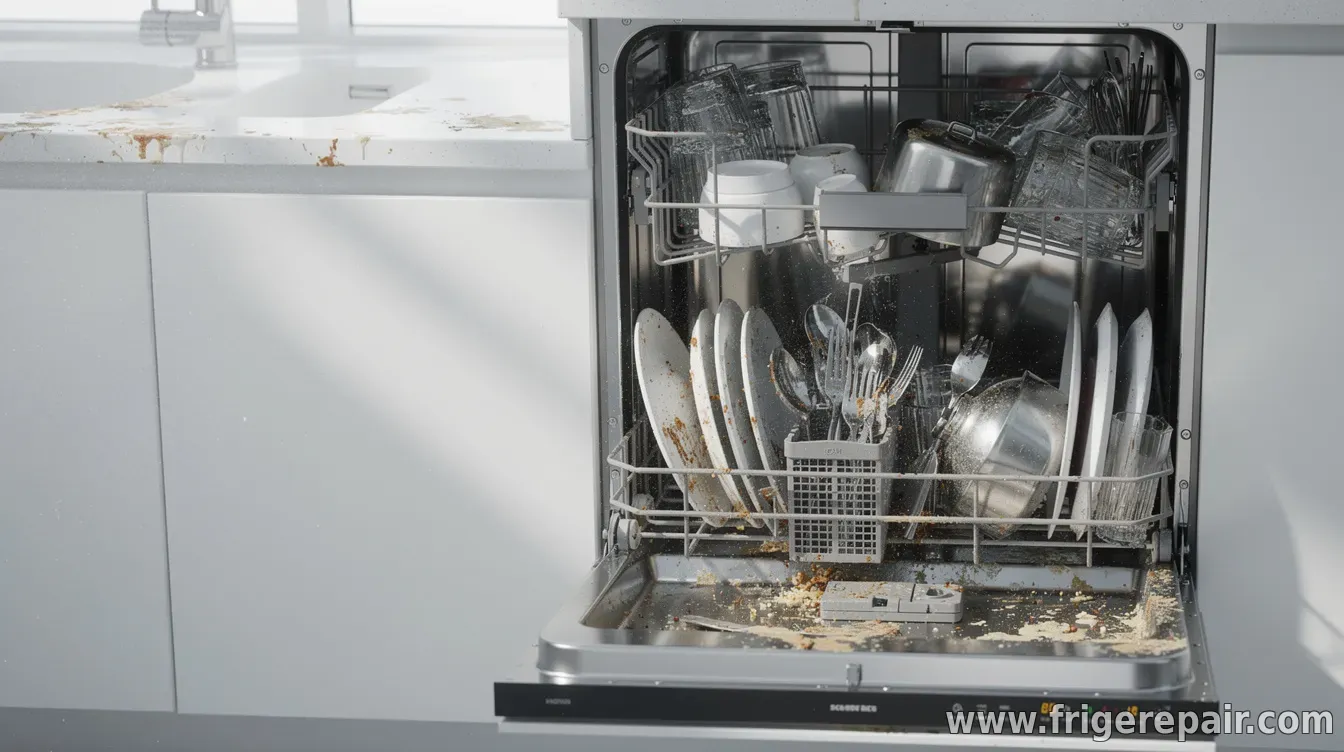
One of the most frequent causes of dirty dishes is overcrowding. When bowls, plates, and cookware block the spray arms or prevent water from reaching the soiled surfaces, food residue remains—especially on the back row and in corners.
To improve cleaning, leave space between items, face dish surfaces toward the center, and avoid nesting pieces that trap water. Tall items should be positioned so they don’t block the top sprayer.
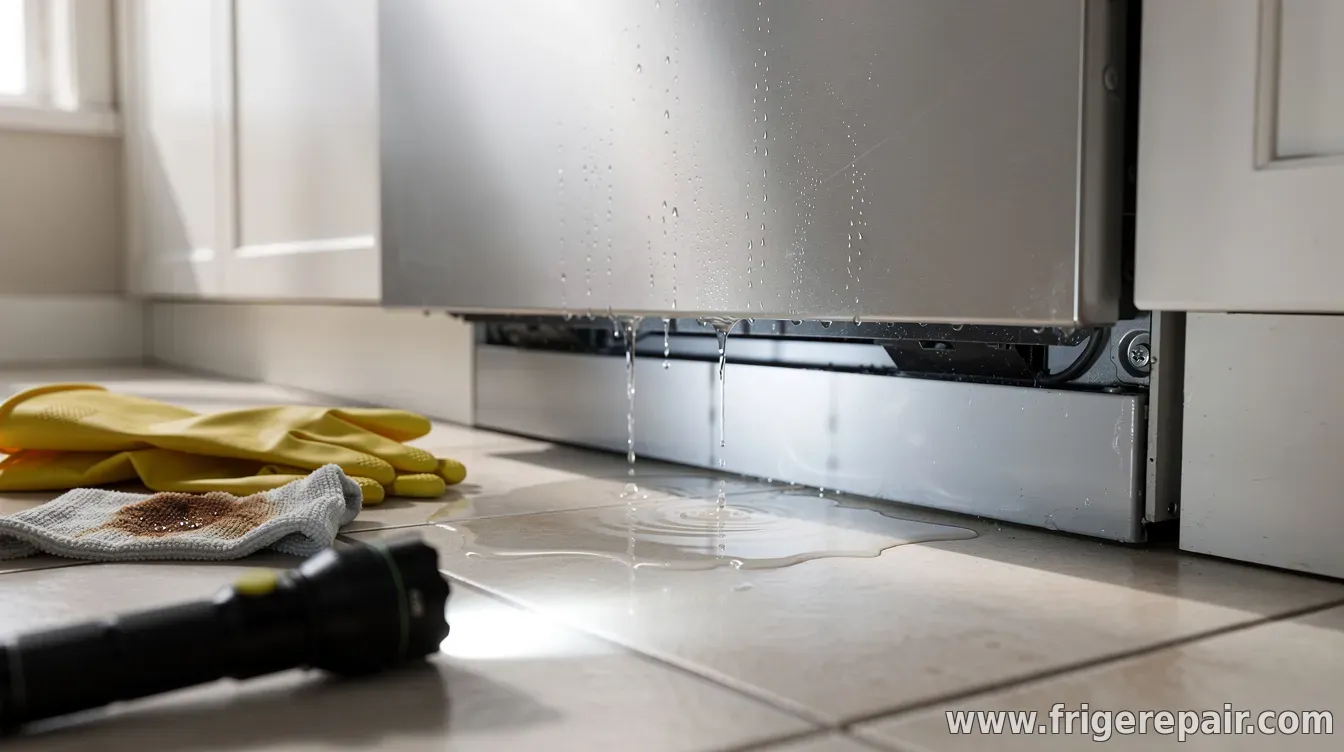
A dishwasher leaking from the door is a common (and fixable) problem that can lead to water pooling on the floor, damaged cabinets, or slips. Because door leaks typically involve water pressure, drainage, or the door’s sealing system, the cause is often more specific than “a leak somewhere.”
Below are the most frequent reasons a dishwasher leaks from the door and what to do next, from quick, no-tools checks to parts that may need replacement.
1) Check the door gasket and seal condition
The rubber gasket (door seal) along the tub rim is designed to keep water from escaping during wash and drain cycles. If it’s worn, cracked, deformed, or not seating evenly, water can escape at the bottom edge or corners of the door.
What to do: Inspect the gasket for tears, gaps, or hard, flattened areas. Wipe the seal clean and make sure it sits properly in its channel. If the gasket is damaged, replacing it is often the most
... Read more »
A washer that’s vibrating or shaking excessively isn’t just annoying—it can damage floors, loosen fittings, and reduce wash performance. The good news: many causes have simple fixes you can try right away, starting with the most common issues like load imbalance and leveling.
First, pause and restart safely. If the washer is violently shaking, stop the cycle, unplug (or switch off the breaker for safety if needed), and wait for the drum to stop. Then check the laundry distribution and the unit’s placement before running another test.
1) Check load balance
Overstuffed or uneven loads are a top cause of spin-cycle shaking. For best results, wash items with similar weight and size (for example, towels with towels). If you notice clumping—like a heavy comforter folding to one side—rearrange it and run a shorter spin or a normal wash.
Quick rule: If the washer seems to “walk&rdqu
... Read more »
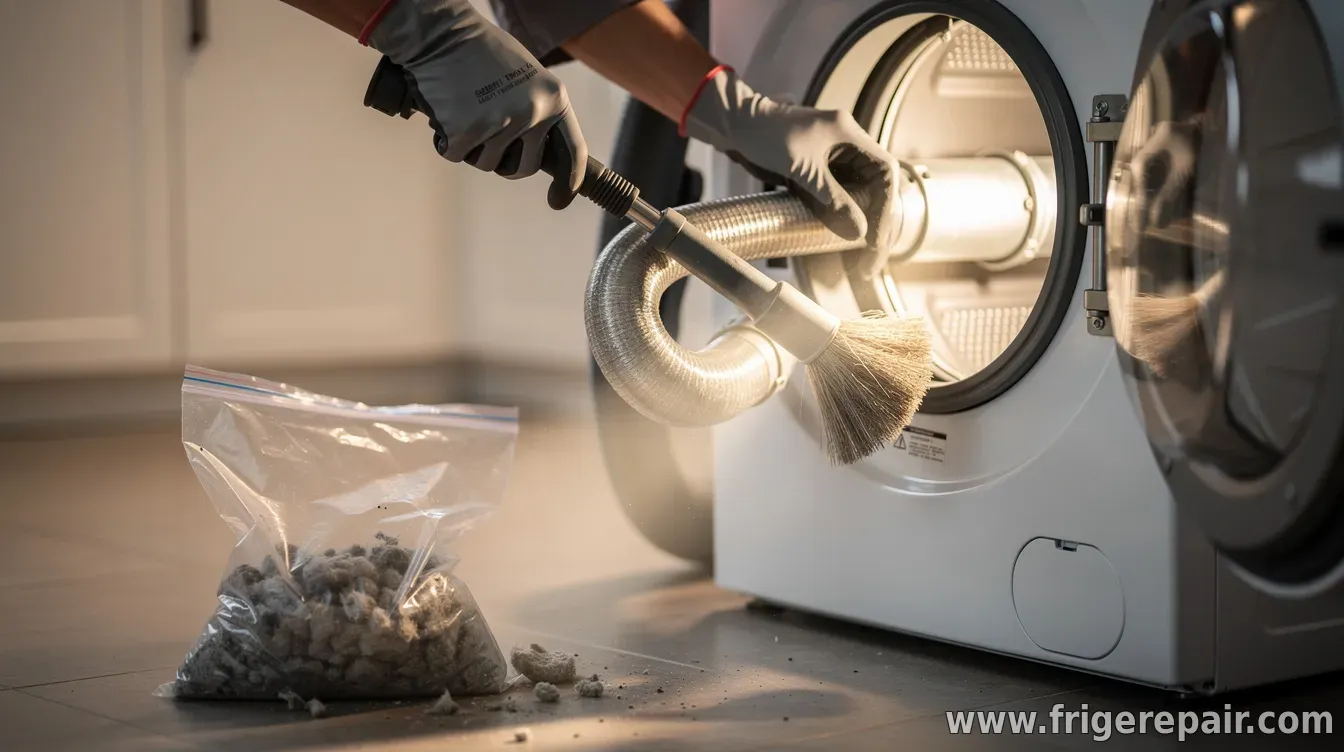
Dryer vents can collect lint over time, forming a barrier that traps heat and slows airflow. When vents don’t vent properly, dryers work harder, dry cycles can take longer, and the risk of overheating rises—sometimes with serious consequences. Regular cleaning is one of the most effective steps homeowners can take to improve safety.
Below is a straightforward approach to cleaning a dryer vent and reducing fire hazards. If you notice significant damage, persistent airflow problems, or heavy lint buildup behind the dryer, consider hiring a licensed professional for inspection and service.
Why dryer vent cleaning matters
As clothes tumble, lint sheds and travels through the dryer. A clogged vent prevents hot, moist air from exiting efficiently, which can increase operating temperatures inside the dryer and at vent connections. Over time, lint accumulation can also block the vent path, leading to poor performance and greater strain on dryer componen
... Read more »