4:53 AM Fridge Not Cooling but Light On: Step-by-Step Diagnosis |
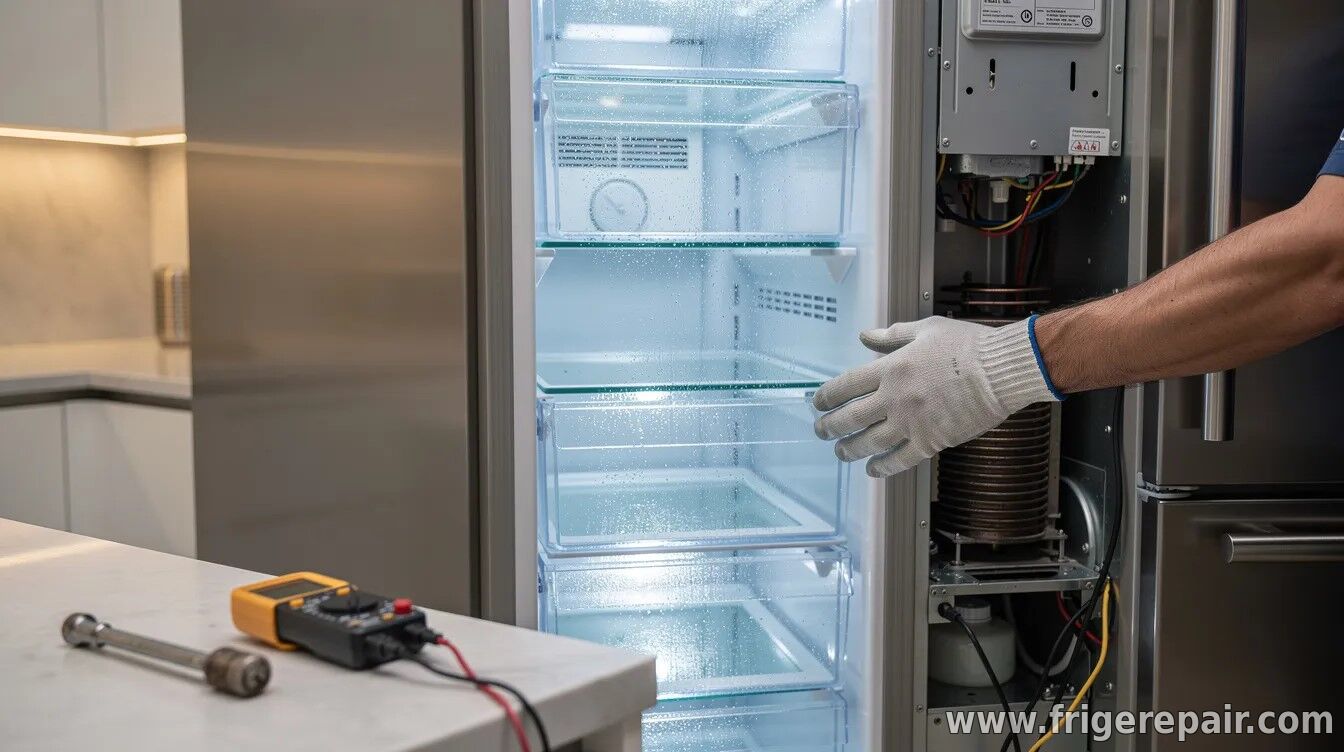 Many homeowners encounter a refrigerator that stays bright and quiet, yet fails to keep food cold. While it can be alarming, the issue is often solvable with a systematic check of the most common culprits. This step-by-step guide walks you through quick tests, safe troubleshooting, and when to call a professional. Lead: What the symptom suggests The light burning in a fridge indicates power is reaching the unit, but cooling loss points to possible problems with the condenser, evaporator, thermostat, compressor, or refrigerant. Distinguishing between a door seal fault, airflow obstruction, or a faulty thermostat can save time and money. 1) Quick visual and basic testsStart with the simplest checks. Listen for the compressor at the back, feel for warm air near the vents, and inspect the door seals for gaps. If the freezer is cold but the fridge is not, focus on air-flow or thermostat issues rather than the compressor alone. 2) Temperature settings and airflowEnsure the thermostat is set to a proper range (typically around 37–40 F / 3–4 C for the refrigerator and 0 F / -18 C for the freezer). Check that nothing blocks vents inside the unit, and do not overfill shelves which can impede air circulation. 3) Condenser and coils checkDusty or blocked condenser coils can prevent cooling. If accessible, gently vacuum or brush off dust from the back or underneath the fridge. A dirty coil often leads to overheating and reduced cooling efficiency. 4) Defrost and frost buildupExcessive frost in the freezer or evaporator can reduce cooling. If frost forms quickly or aggressively, a defrost issue may be present. Allow a manual defrost cycle if your model supports it, or consult the manual for safe defrosting steps. 5) Thermostat and sensor checksA faulty temperature sensor or thermostat can mislead the control system, causing a warm refrigerator. If the control panel reads oddly or fails to hold a set temperature, testing or replacing the thermostat may be necessary. 6) Compressor and refrigerant concernsIf the compressor does not run or cycles abnormally, there could be an electrical or refrigerant issue. Refrigerant leaks require licensed service, as handling refrigerants poses safety and environmental risks. When to call a professional: If you hear continuous buzzing from the compressor, notice oil spots, or cannot locate a clear cause after basic checks, schedule a service visit. Compressor or refrigerant problems typically require pro repair. • Quick fixes you can try safely: re-seat the refrigerator plug, reset the unit by unplugging for a few minutes, adjust thermostat settings within the recommended range, and vacuum the condenser coils if accessible. Always unplug before touching internal components. In summary, a functioning light does not guarantee cooling. By inspecting airflow, seals, coils, thermostat, and potential frost buildup, you can identify the most common reasons a refrigerator stops cooling and decide whether a DIY fix is appropriate or professional service is needed. |
|
|
Next & Previous posts
Related articles: