1:47 AM Stove Safety in Older NYC Apartments: Gas Hookups and Shutoff Valves |
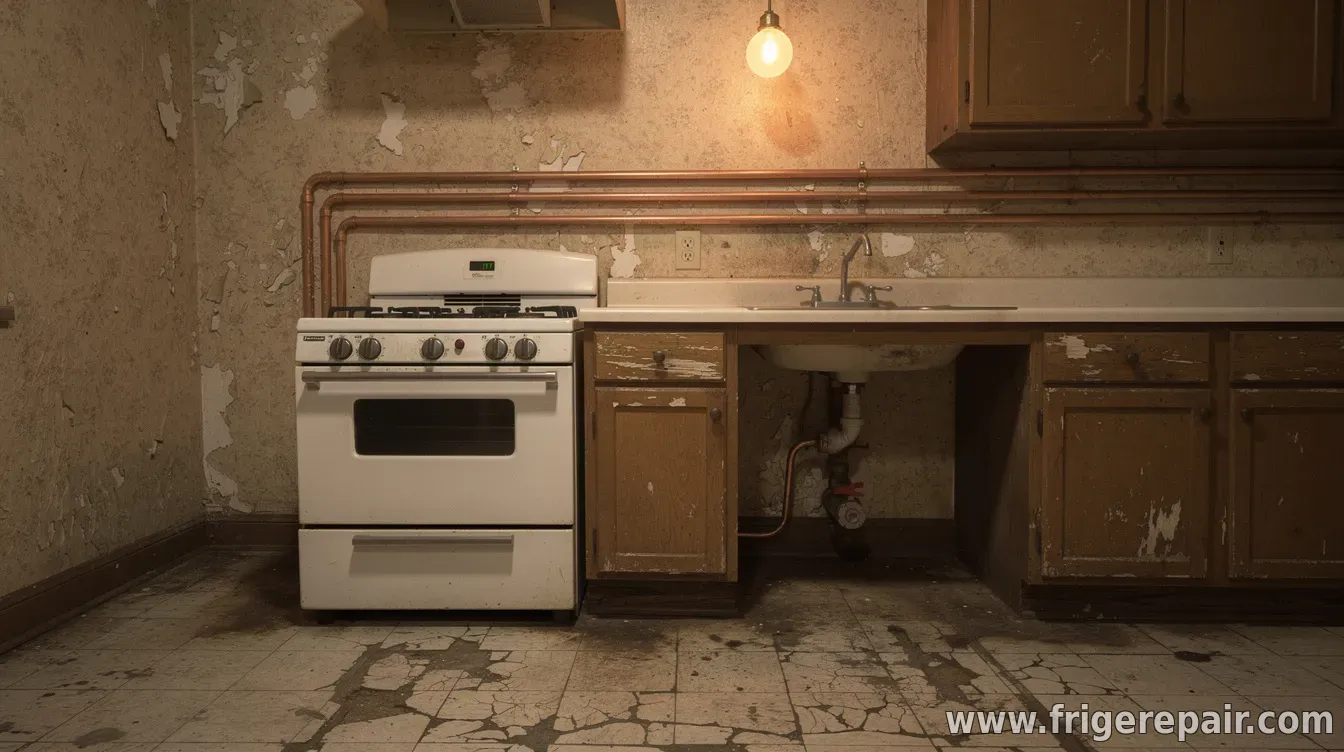 Older apartment buildings in New York City present unique stove-safety challenges. Gas lines, regulators, and shutoff valves can wear over decades, increasing the risk of leaks, failed ignition, or gas buildup. Tenants should understand the basics of how their stove is wired into the building’s gas system and what immediate actions to take if something seems off. Key safety steps for tenants First, locate the primary gas shutoff valve for your unit and learn how to operate it safely. In many NYC apartments, this valve is near the unit’s gas meter or in a utility closet. If you suspect a leak, do not use electrical switches or appliances; evacuate the space and call 911 or the gas company from a safe location. Regularly check for signs of trouble such as hissing sounds, sulfurous smells, or pilot lights that won’t stay lit. Gas hookups and regulators Gas hookups must be inspected periodically, especially in buildings constructed before 1980. Regulators control gas pressure; a failing regulator can cause dangerous pressure swings. If you notice inconsistent flame sizes, yellow flames, or unusual odors, report them immediately and request a professional assessment. Do not attempt to replace regulators yourself. What landlords should do Property owners should schedule regular gas-line inspections by licensed professionals and ensure access to shutoff valves for emergency responders. Documentation of inspections helps with safety compliance and can reduce liability in case of an incident. Consider installing carbon monoxide detectors in kitchens and adjacent living areas as a precaution. When to call professionals If a leak is suspected, if a shutoff valve is difficult to turn, or if you notice corrosion or rust around fittings, contact the local gas utility or a certified plumber right away. Do not delay, as delayed repairs can lead to more serious hazards, including explosions in extreme cases. In a dense urban environment like NYC, coordinated safety between tenants and landlords is essential. Clear labeling of shutoff valves, access to manuals, and routine inspections can significantly reduce risk in older buildings. For residents, staying informed and acting quickly when problems arise can safeguard lives and property. |
|
|
Next & Previous posts
Related articles: