1:49 AM Freezer Not Freezing but Fridge Works: Causes and Fixes |
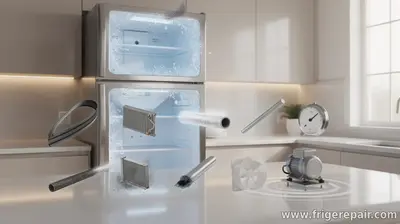
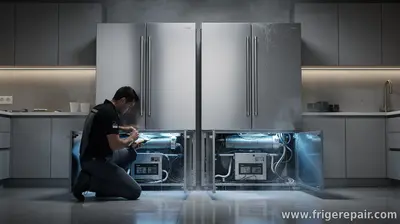
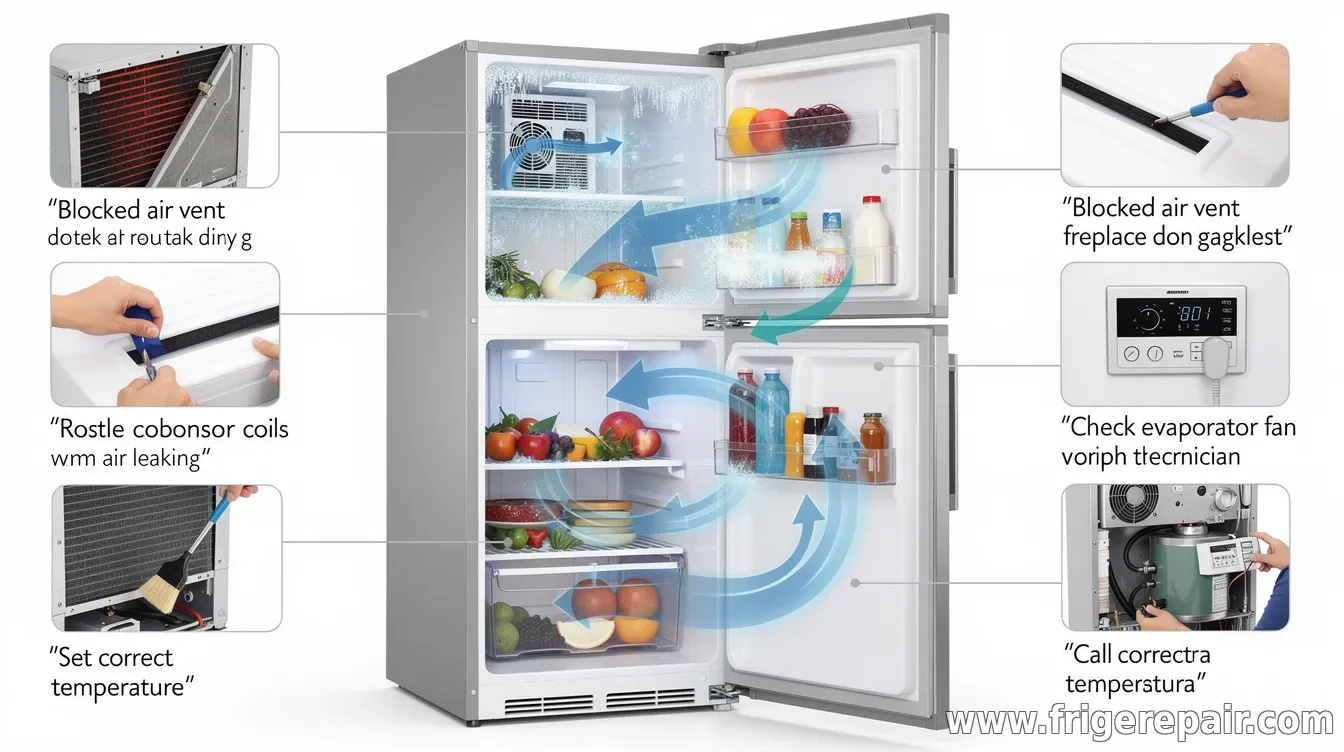 When a fridge still cools but the freezer won’t freeze, the problem is typically isolated to the freezer compartment or components that control freezing. Identifying whether the issue is with airflow, temperature settings, or a mechanical part helps you decide between quick at-home fixes and calling a technician. Common causes Several issues can prevent a freezer from freezing while the fridge remains operational. A blocked evaporator coil, a faulty defrost timer or heater, a malfunctioning condenser fan, a door gasket problem, or a clogged or restricted defrost drain are frequent culprits. Sometimes a simple temperature setting, a dirty condenser coil, or a stuck DC control board can also be the reason. Quick checks you can try First, inspect the door seals on both the fridge and freezer. If they don’t seal properly, cold air escapes and the freezer may struggle to reach its target temperature. Next, check the freezer’s vents and ensure nothing is blocking airflow between compartments. Clean the condenser coils (usually located at the back or beneath the unit) to improve cooling efficiency. If your model has a manual defrost feature, ensure it isn’t stuck in a defrost cycle or blocked drain. Check the temperature settings. The freezer should typically be set around 0°F (-18°C). If the settings were recently changed, reset them and monitor for 24 hours. Listen for unusual noises from the compressor or fan, which could indicate a failing motor or a faulty fan that needs replacement. When to suspect a component issue If the freezer remains warmer than 0°F (-18°C) after basic checks, you may be facing a defective:
For many modern units, an error code or blinking light on the display can indicate a specific fault. Consult your owner’s manual or manufacturer support with the model number to interpret codes. Fixes you can attempt (safely) Unplug the appliance before performing any internal inspections. If you find frost buildup on the evaporator coil, a controlled defrost might be required. Use a hair dryer on a low setting from a distance to speed up ice buildup removal, but never poke or damage the coil. Clean coils and vents again after thawing. If a defrost timer or heater is faulty, a professional replacement is usually necessary. Defective door gaskets or hinges can cause air leaks. Replace worn seals to restore proper sealing. If the problem persists after these steps, or you hear unusual sounds from the compressor or fans, it’s time to call a qualified technician to avoid damaging the unit or creating a safety risk. Preventive steps for the future include regular cleaning of coils, checking door seals periodically, keeping the freezer reasonably full to stabilize temperature, and ensuring proper airflow between the fridge and freezer compartments. Routine maintenance can extend the life of the appliance and reduce the chances of sudden failures. |
|
|
Next & Previous posts
Related articles: