
1:47 AM Oven Not Heating to Right Temperature: Calibration vs Sensor | |
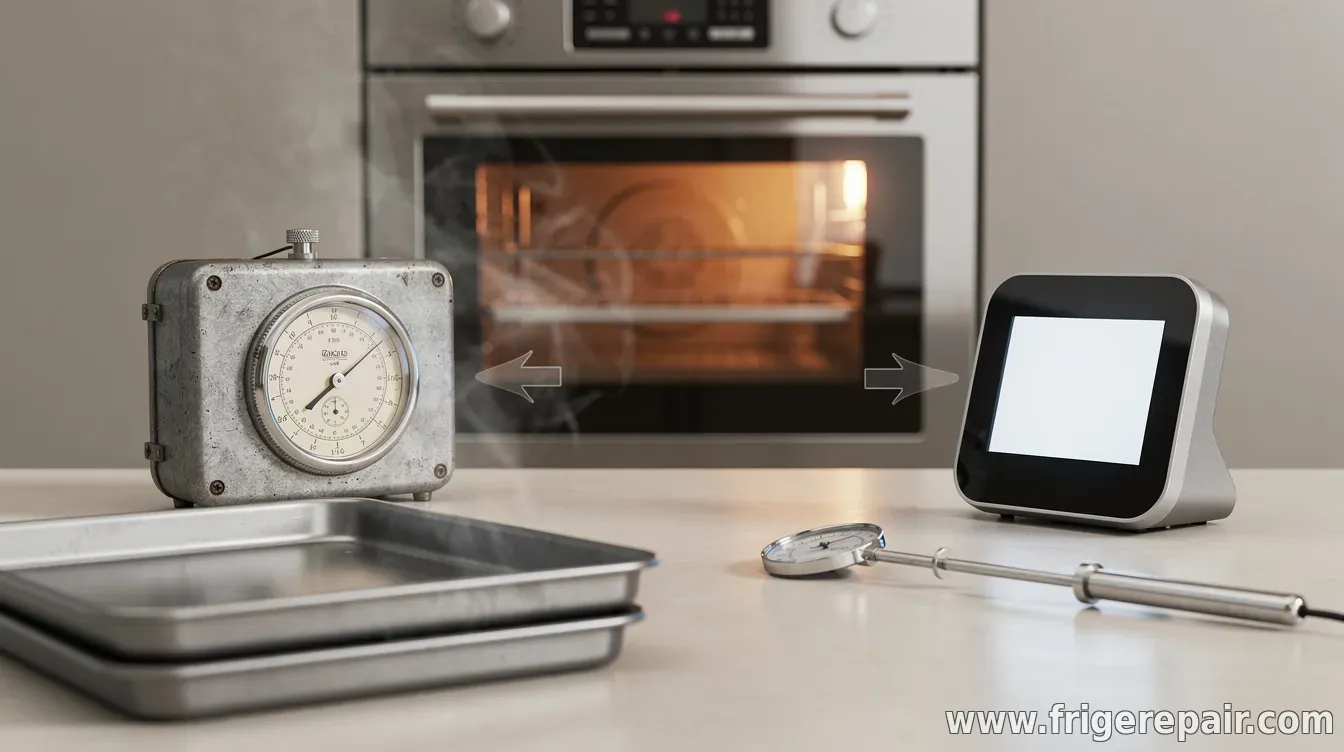 When an oven isn’t reaching the set temperature, cooks often blame the dial or the oven’s overall performance. In most cases, the culprit falls into one of two categories: calibration drift or a faulty temperature sensor. Understanding the difference can save time and money before you schedule service. Lead: What’s the root cause? Calibration drift happens when an oven’s internal thermometer becomes inaccurate over time. This can cause the oven to heat too slowly, too quickly, or not to the correct temperature at all. A miscalibrated oven will bake unevenly and can throw off time-sensitive recipes. Sensor issues: Many modern ovens use a temperature sensor (thermistor or bake sensor) located inside the cavity. If this sensor is faulty or placed incorrectly, the oven may misread its temperature, resulting in undercooking or overcooking even when the dial is set correctly. To diagnose, start with a simple thermometer check. Place an oven-safe thermometer in the center of the middle rack and compare its reading to the oven’s dial when you set it to a known temperature, such as 350°F (175°C). If there’s a consistent mismatch, calibration or sensor replacement may be needed. Step-by-step: How to test and fix:
Important: Some ovens require a professional service for calibration or sensor replacement, especially if electrical components are involved or if the oven is under warranty. When to call a professional: If you notice inconsistent temperatures across the oven, frequent sensor error codes, or if calibration requires more than a small adjustment, it’s wise to schedule service. A trained technician can verify wiring, sensor integrity, and control board function. Practical tips: Keep the oven door closed during tests to avoid heat loss, and use a reliable thermometer with a high-heat capable probe. Regular maintenance, like oven cleaning and gasket inspection, helps prevent sensor interference and keeps readings consistent. Bottom line: Distinguishing between calibration drift and a faulty temperature sensor is key to fixing heating issues. With careful home testing and a clear plan, you can correct the problem or decide when it’s time to call in a pro. | |
|
| |
Next & Previous posts