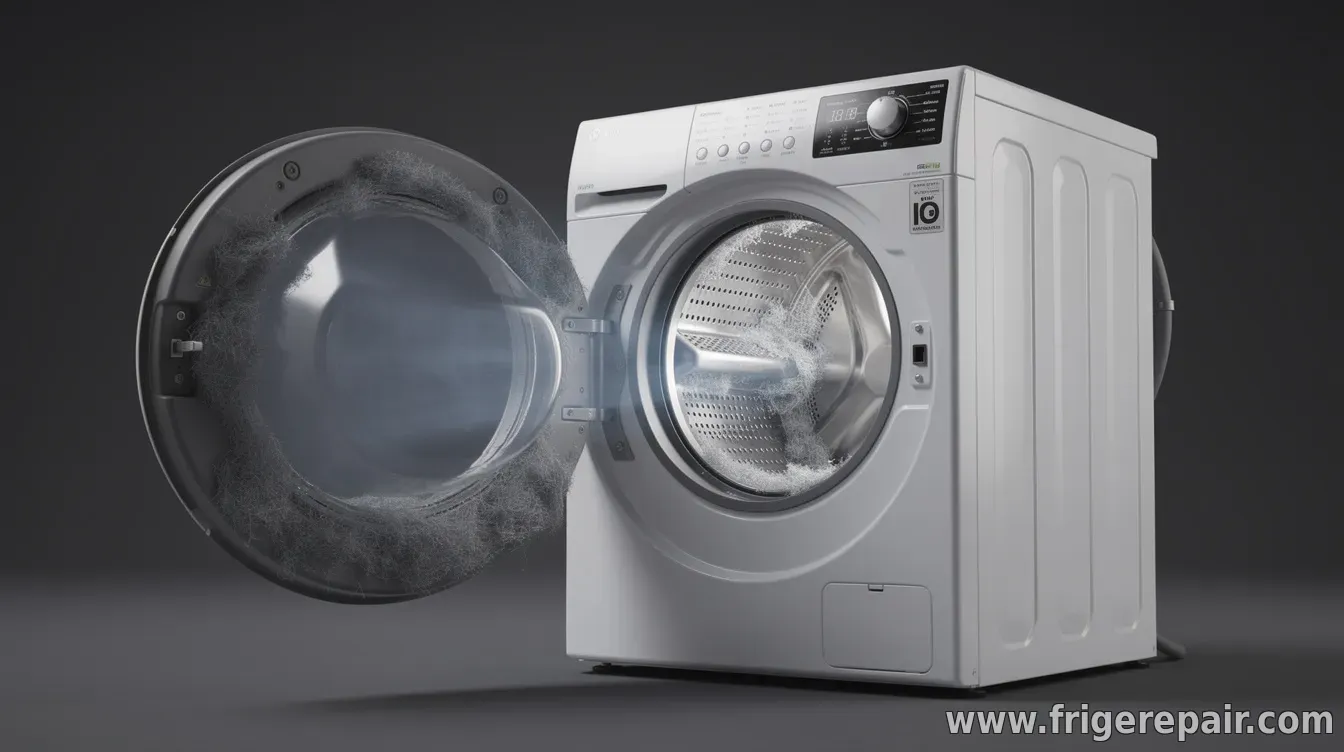
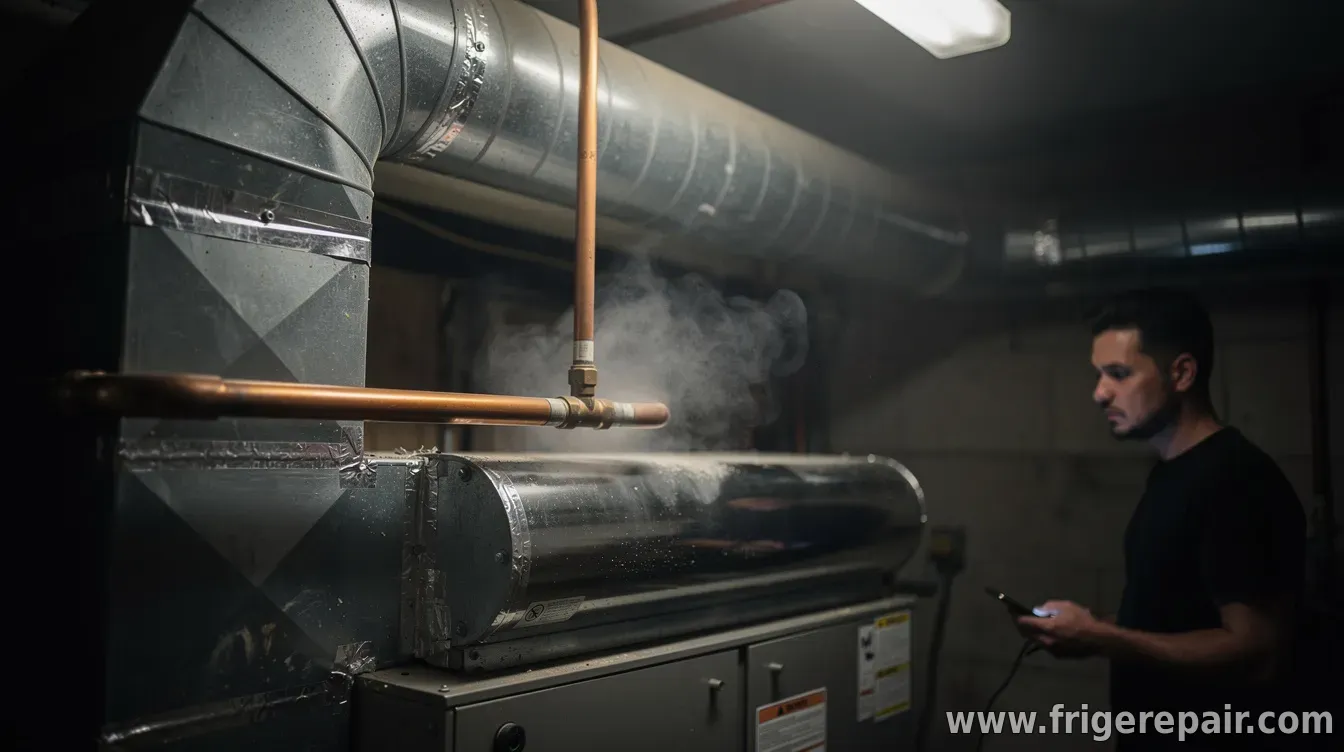
A dryer that runs but doesn’t heat is frustrating—and it can also signal a safety-related fault. The good news: in many cases, the problem is limited to the dryer’s heating system components rather than the motor or drum.
Below are the most common reasons a dryer stops producing heat, how to narrow down which part may be responsible, and when it’s best to stop troubleshooting and call a professional.
Start with the simplest checks
Before testing components, confirm the dryer is actually calling for heat. For electric models, check that the dryer is receiving power as expected (avoid using an overloaded circuit or incorrect outlet). For gas models, verify the unit is igniting and that the burner starts.
Also consider whether the issue is new or gradual: sudden “no heat at all” often points to a protective control (like a thermal fuse), while inconsistent warmth can suggest a heating element or thermostat problem.
... Read more »
A Freon leak (often referring to refrigerants such as older HCFCs or newer HFC blends) can be hard to spot until it affects cooling performance. While some early clues are noticeable, refrigerants are not something homeowners should handle directly—especially because leaks can create safety risks and damage equipment over time.
Common symptoms of a possible Freon leak
One of the clearest signs is inconsistent cooling. If your air conditioner runs longer than usual, struggles to reach the set temperature, or cycles on and off repeatedly, low refrigerant from a leak may be the cause.
Other frequent indicators include ice or frost on the refrigerant lines, evaporator coil, or indoor unit. This can happen when refrigerant levels drop, affecting heat transfer and causing moisture to freeze on components.
You may also notice unusual sounds—hissing, bubbling, or a steady noise near the unit—along with rising energy bills. In some cases, a
... Read more »
When a refrigerator stops cooling or a washer won’t spin, time matters. Our same-day appliance repair service is designed to minimize downtime with fast scheduling, thorough diagnostics, and repairs completed during the same visit whenever possible.
1) Booking that fits your day
You’ll start by contacting our team to describe the problem and the appliance model. We’ll confirm service availability for your area and provide an estimated arrival window. If your issue has safety or urgency concerns, we’ll prioritize accordingly.
2) Arrival, inspection, and transparent diagnosis
Once our technician arrives, the first step is a focused inspection. We’ll check common causes—such as faulty sensors, worn heating elements, blocked drains, or electrical issues—then explain what’s likely happening and what repair options are available.
We aim for clear, upfront communication so you understand the recomme
... Read more »
When a refrigerator stops cooling, a washer starts leaking, or an oven won’t heat, the problem can escalate fast—especially in the evenings when store hours close and parts become harder to source. For Brooklyn residents, the key is knowing which emergency appliance repair options are truly available at night and how to vet them quickly on the phone.
Emergency appliance repair typically covers urgent fixes like cooling issues, electrical or ignition problems, water leaks, dryer heating failures, and stove malfunctions that affect safe daily use. Because these calls are time-sensitive, providers with real after-hours staffing and clear dispatch processes can make a noticeable difference in turnaround time.
Who to call at night in Brooklyn
Start by choosing a repair company that explicitly advertises after-hours or 24/7 emergency service and confirms availability for your appliance brand and model. If your situation involves poten
... Read more »