
4:51 AM Smell of Gas From Your Stove: What to Do Right Now | |
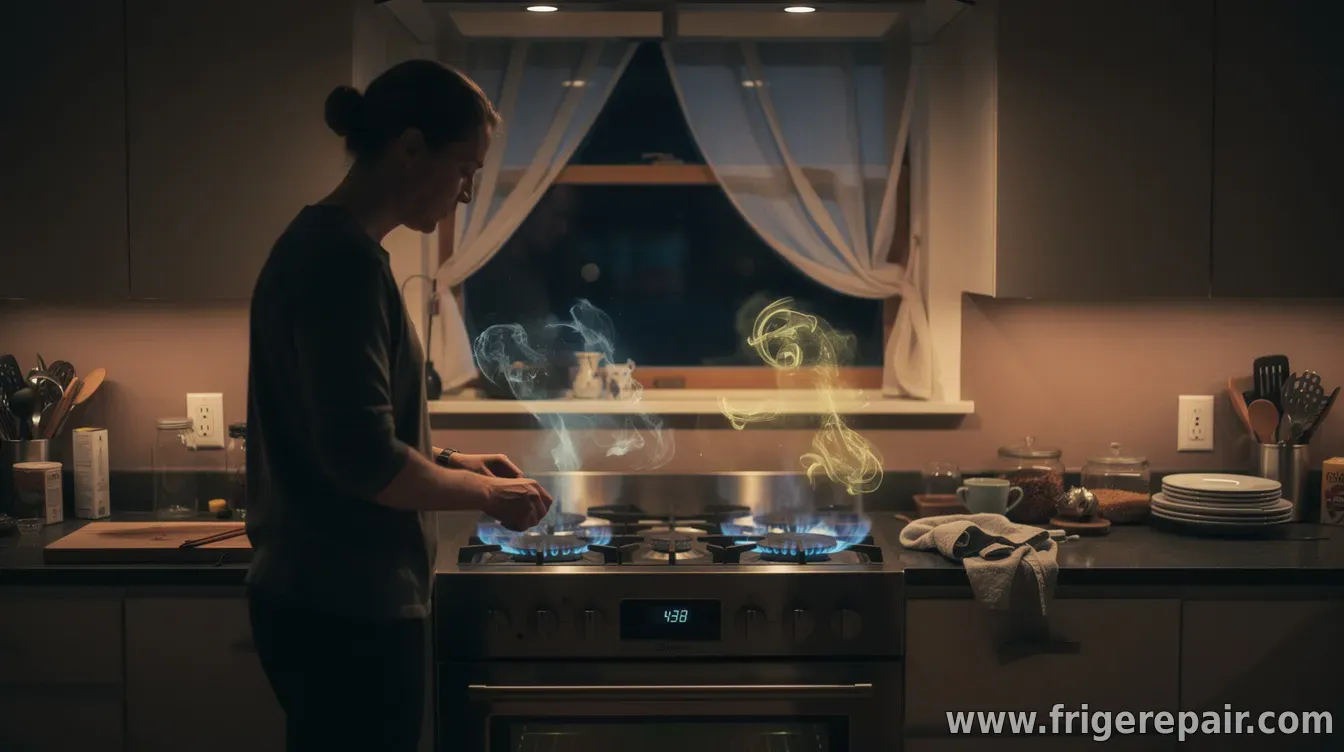 Gas smells near a stove can indicate a potentially dangerous leak. Acting quickly and calmly is essential to prevent accidents. This guide outlines practical steps you can take right away to stay safe while you wait for professionals to assess the situation. What to do immediately Leave the house if the smell is strong or you cannot identify the source. If you cannot safely leave, move to a well-ventilated area away from the smell. Do not switch lights, use phones, or operate electrical switches while inside the area where you suspect a gas leak, as a spark could ignite the gas. Call your gas emergency number from a safe location. In many regions this is the utility company’s emergency line or the local fire department. If you’re sure you can do so safely, turn off the main gas valve only if you can do it without entering the area of the leak or using electrical devices. What not to do Avoid creating sparks: do not light a match, use lighters, or operate electrical devices near the suspected leak. Do not attempt to repair or locate the leak yourself unless you are trained and equipped to do so. After you’ve left the area Once you are in a safe location, inform the responders about any symptoms family members may be experiencing (headache, dizziness, nausea) so they can provide appropriate care. Do not re-enter the premises until authorities declare it safe to do so. Prevention and safety tips Regularly inspect gas lines, connectors, and the stove for signs of wear. Install and maintain a functioning gas detector in your home and ensure proper ventilation in the kitchen. Keep a calm, practiced safety plan so everyone in the household knows exactly what to do if a gas smell is detected. For ongoing concerns, schedule a professional gas inspection and service. If you experience recurring odors even after a visit, contact the utility provider to check for leaks in the line outside your home. | |
|
| |
Next & Previous posts
Related articles:
![]()