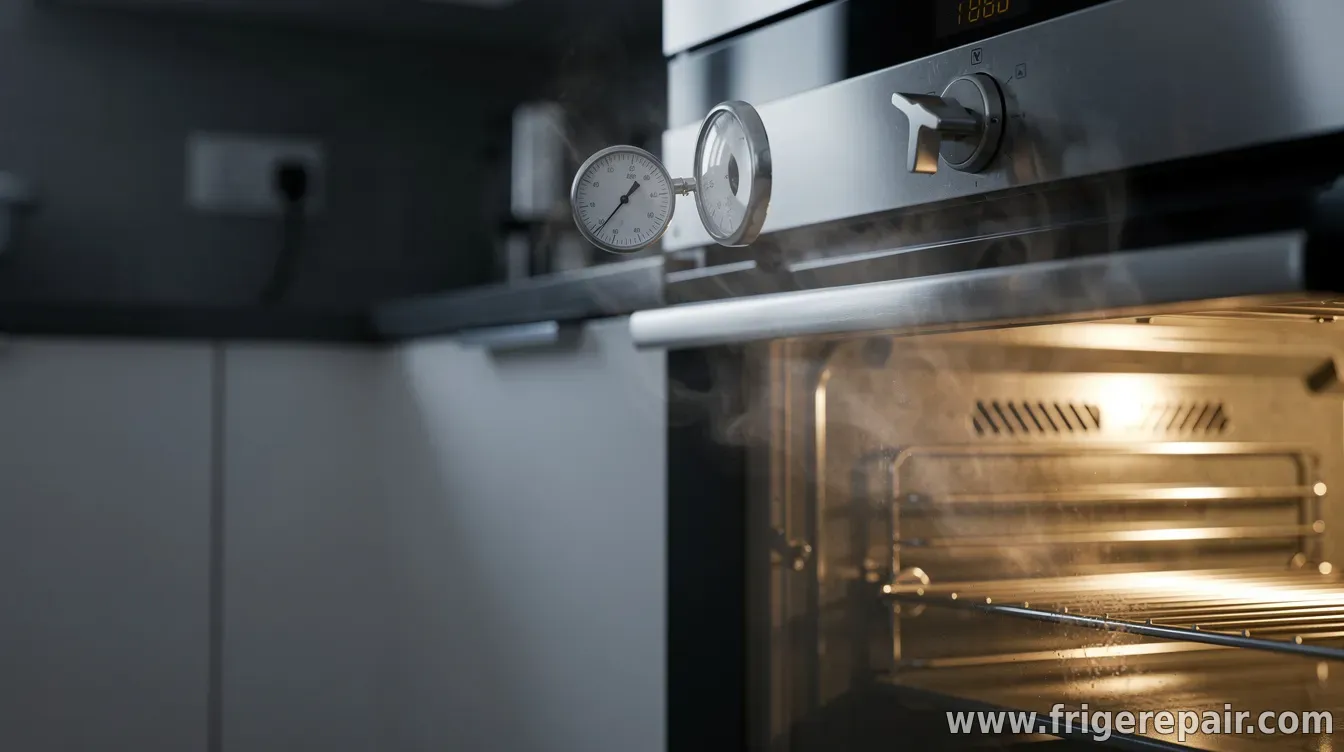
An oven that won’t reach the temperature you select can ruin baking and roasting results—and it can also signal an issue that needs attention. While some problems are quick fixes, others require calibration or professional repair. Below is a focused set of checks to help you identify what’s going wrong.
1) Verify the temperature with a reliable oven thermometer
Before assuming the oven is defective, confirm the actual temperature. An oven thermometer (ideally one meant for high heat) can reveal whether the display is off by a few degrees or whether the oven is failing to heat properly.
If the thermometer consistently reads lower than the set temperature, the issue may be calibration, a faulty temperature sensor, or a heating problem.
2) Check common causes before deeper troubleshooting
Many “temperature problems” come from factors that change how heat circulates or how the oven regulates temperature:
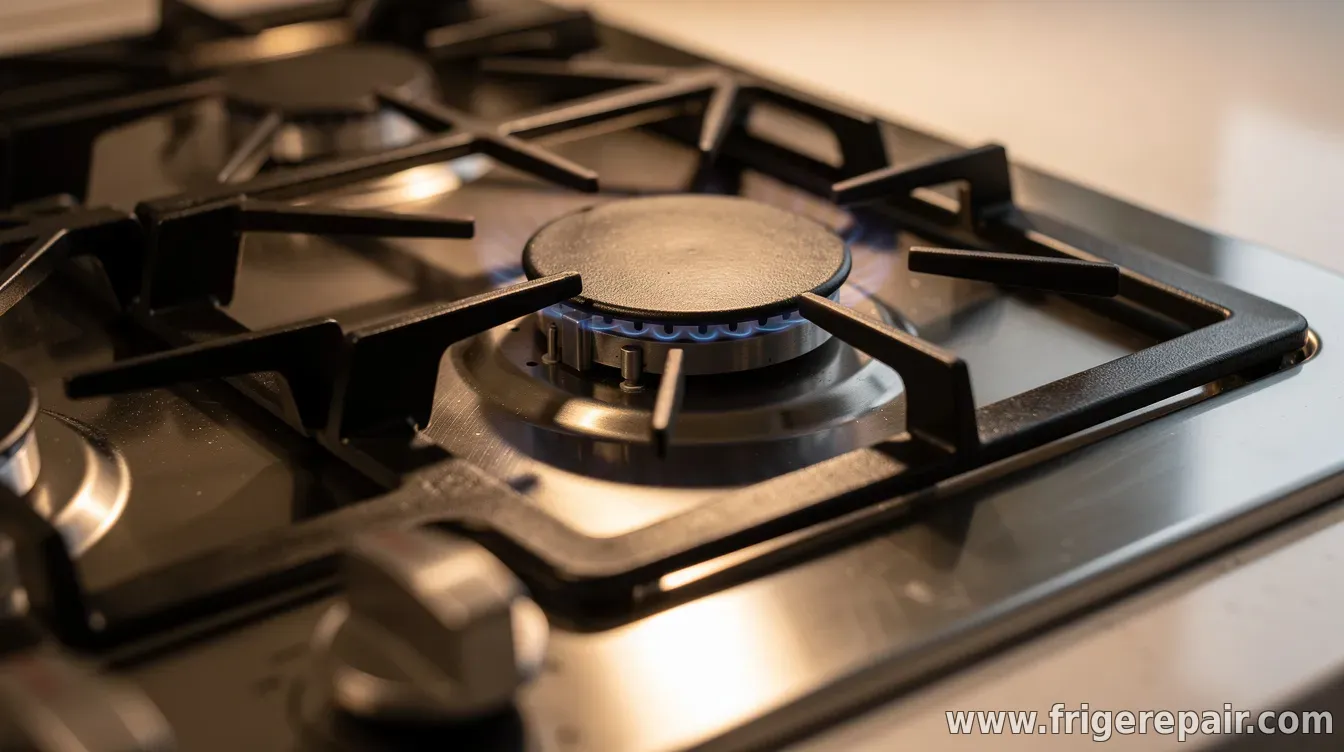
A gas stove burner that won’t light is usually caused by something simple—like a clogged burner, a weak or dirty igniter, or an interrupted gas supply. Start with the safest checks, then move toward cleaning and functional tests to identify the likely culprit.
1) Safety first and basic checks
Before troubleshooting, turn the burner control to OFF and allow any gas to dissipate. If you smell gas strongly or you hear hissing without ignition, stop and ventilate the area, then contact your gas utility or a professional.
Next, confirm the basics: ensure the stove is receiving power (many igniters require electricity), verify the gas supply valve to the stove is fully open, and make sure the burner you’re using is properly seated in its position. If the issue affects all burners, focus on power or supply; if it’s only one burner, focus on that burner’s parts.
2) Check whether the igniter is sparkin
... Read more »
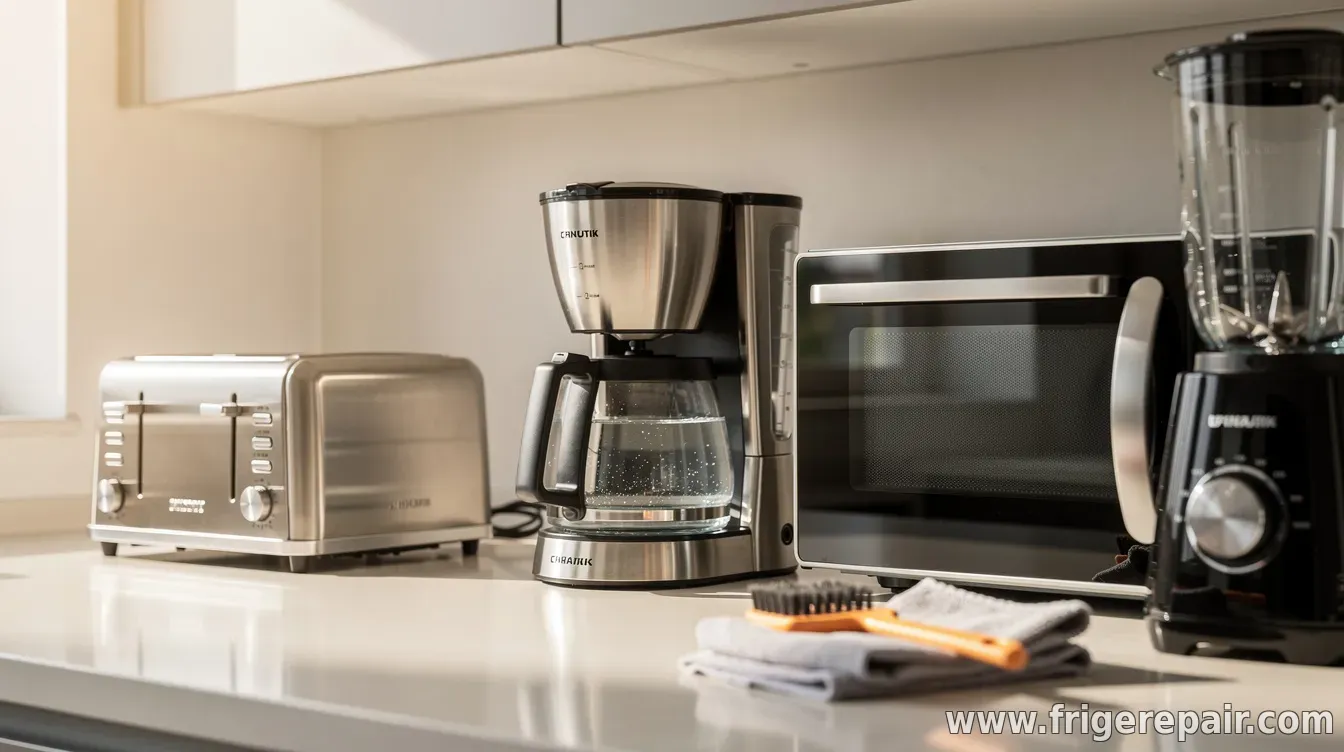
Kitchen appliances can last for years—if you treat them like equipment rather than disposable tools. The fastest way to shorten lifespan is usually the same: neglecting routine cleaning, forcing appliances to work under heavy strain, and skipping small warning signs that point to bigger problems.
Below are practical, low-cost steps to help refrigerators, dishwashers, microwaves, ovens, coffee makers, mixers, and small countertop devices run more efficiently for longer.
Clean regularly, but clean correctly
Most premature failures come from grime and buildup. Grease can clog vents and reduce airflow in ovens and ranges, while food residue can interfere with sensors and drainage in dishwashers. Follow the manufacturer’s guidance for what detergents and parts are safe to use, especially for electronics and seals.
For many appliances, the best approach is a simple rhythm: wipe after use, remove crumbs before they harden, and deep-clean on a m
... Read more »
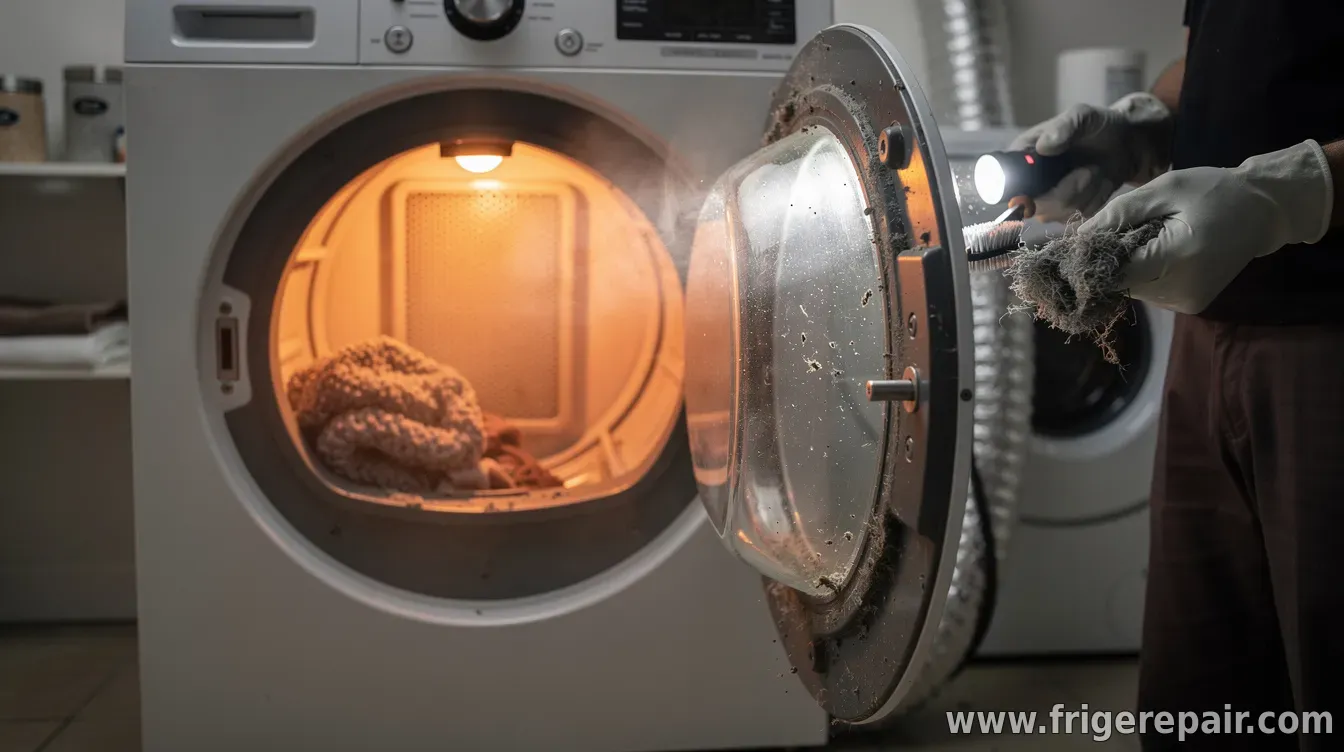
A dryer overheating is more than an annoyance—it can be a warning sign of dangerous airflow restrictions or electrical problems. When hot air can’t vent properly, temperatures can climb far beyond normal operating limits, increasing the risk of component damage and, in worst cases, fire.
Why an overheating dryer is risky
Clothes dryers generate heat and rely on consistent airflow to move that heat safely out of the home. If airflow is reduced—such as from clogged lint filters, blocked ductwork, or improper venting—heat can accumulate inside the dryer drum and exhaust path. Over time, this can degrade wiring, thermostats, and heating elements, while also allowing lint to char.
Common causes of overheating
The most frequent driver is lint. Lint can collect behind the front panel and inside the vent path, even if you clean the lint screen every load. Other recurring causes include a vent duct that’s crushed or too long,
... Read more »