10:16 AM Refrigerator Repair: Frequent Issues and Fixes |
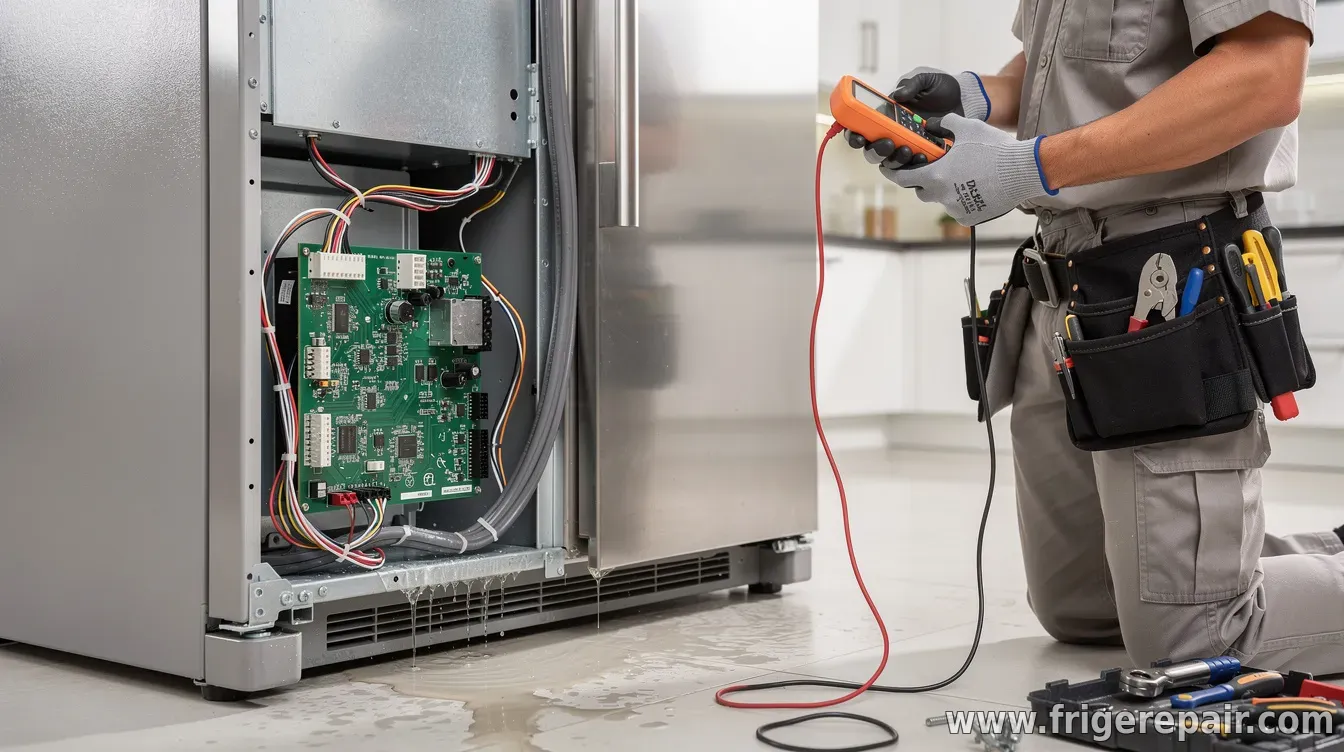 A refrigerator is essentially a sealed system that depends on consistent power, airflow, and a working defrost cycle. When it starts to underperform, the symptoms usually point to a small set of common failures. Below are frequent refrigerator problems, what typically causes them, and the safest first fixes homeowners can try. 1) Refrigerator isn’t cooling (or barely cools)The most common reasons a fridge won’t keep temperature are incorrect settings, blocked air vents, a failing thermostat or control board, or issues in the cooling system. First, confirm the unit is receiving power and that the temperature controls are set correctly (a typical target is around 37°F/3°C for the fridge compartment and 0°F/-18°C for the freezer). Next, check airflow: ensure food isn’t blocking vents and that the fan (if accessible) is running. If cooling is weak in both compartments, the cause may be the main cooling system—something that often requires professional diagnosis. 2) Freezer works but refrigerator doesn’tWhen the freezer stays cold while the refrigerator warms, the issue is frequently related to airflow between compartments. A common culprit is a faulty damper door or an air leak in the vent path, sometimes accompanied by ice buildup near the vents. Another frequent cause is a malfunctioning evaporator fan that moves cold air from the freezer to the fridge. A practical step is to inspect vents and remove any visible obstruction. If you find ice where air should move, it may indicate a defrost problem; addressing defrost symptoms early can prevent repeated icing and longer-term failure. 3) Refrigerator is too cold or temperatures are inconsistentInconsistent temps can come from a failing thermostat, control board issues, or blocked temperature sensing areas. Start by verifying the settings and cleaning the sensor area if it’s accessible. If the compressor seems to run erratically or the fridge swings between too warm and too cold, a control component may be at fault. For safety, avoid repeatedly powering the unit on and off. Instead, allow stable operation after any checks, then monitor temperatures for a day to see whether the problem persists. 4) Ice buildup and defrost-cycle problems (frost on coils or heavy ice in the freezer) Many “no cooling” complaints trace back to defrost failures. When the defrost heater, defrost thermostat, or defrost control fails, ice can accumulate on evaporator coils, blocking airflow. Signs include thick frost patterns behind panels, fan obstruction, and a cycle that seems to stop cooling until ice melts again. Before investigating parts, unplug the refrigerator and allow it to fully thaw if ice is blocking vents. After it’s clear, check whether the fan runs freely and whether airflow returns to normal. If the issue recurs quickly, it’s a strong indicator the defrost system needs testing and likely repair. 5) Strange noises (buzzing, clicking, or loud humming) Some refrigerator sounds are normal—compressor hum, fan whir, or relay clicking at startup. Problems often appear as a new pattern (continuous buzzing, persistent clicking, rattling, or a fan that repeatedly starts and stops). Check for loose items touching shelves or drawers, ensure the unit is level, and confirm the fan isn’t obstructed by packaging. If noises coincide with temperature problems, it may indicate a failing fan motor, compressor start relay, or evaporator fan. Because these components can involve electrical and sealed-system parts, professional service is the safest next step when symptoms persist. 6) Water leaks inside or under the refrigerator Leaks commonly come from clogged defrost drain lines, condensation from a poorly sealed door, or a blocked or overflowing water collection area. If water pools inside, inspect door seals for gaps and ensure the door closes consistently. For leaks in the back or bottom area, check whether the defrost drain is clear. If your refrigerator has an external or internal water dispenser, leaks can also originate from supply tubing or the water valve. Any leak near electrical components is a “stop and service” situation—unplug first and get help if you can’t identify a safe path to fix it. 7) Refrigerator runs but doesn’t get cold enough (compressor starts normally) If the compressor runs yet temperatures don’t improve, the problem could be insufficient airflow, a failing fan, or an issue in the cooling circuit. Verify that vents are unobstructed and that fans operate. If fans and airflow are good but the unit still struggles, the sealed system may be underperforming—repair may be complex and cost-prohibitive compared with replacement, depending on age and model. When to DIY vs. when to call a technicianSimple checks—settings, airflow obstructions, door seal condition, and cleaning accessible vents—are usually safe DIY tasks. Thawing a heavily iced evaporator area after unplugging can also be reasonable. However, call a qualified technician if you suspect a failed sealed-system component, repeated defrost failures, electrical/control-board issues, or leaks near wiring. Trying multiple parts without testing can raise the risk of damage and cost. For best results, keep notes on what changed (after a power outage, after moving the fridge, after a door gap, or after heavy use). Those details help narrow the cause quickly and improve the odds of a timely, accurate fix. |
|
|
Next & Previous posts
Related articles: