Refrigerator repair warranties can save money, but the value depends on what’s actually covered. Before you schedule service—or agree to pay out of pocket—review the warranty terms for your brand, model, and purchase date, since coverage varies by manufacturer and retailer.
Most warranties fall into two buckets: coverage for parts only, or coverage for parts plus labor. Some plans also include certain “sealed system” components, which are often treated differently from standard wear items.
What parts are commonly covered
Many manufacturer warranties cover repairs for defects in materials or workmanship. In practice, this often includes major functional components such as refrigeration system parts (depending on the warranty type), and may include electronics or cooling-related components. However, coverage typically does not extend indefinitely—term length matters.
A refrigerator is one of the most important (and costly) appliances in a home, so it helps to know what “normal” looks like. While individual units vary, many manufacturers and appliance experts point to a typical lifespan of 10 to 15 years—with some models lasting longer when they’re properly maintained.
That said, longevity isn’t only about age. Temperature stability, ventilation, and how often the door is opened can significantly influence wear on key components like the compressor and cooling system. Understanding the expected timeline makes it easier to plan repairs—or decide when replacement is the smarter option.
Typical refrigerator lifespan: what to expect
In general, a refrigerator that reaches the 12–15 year range may be approaching the “wear-out” phase, especially if it has frequent service needs. Units closer to 10 years can still be fine, b
... Read more »
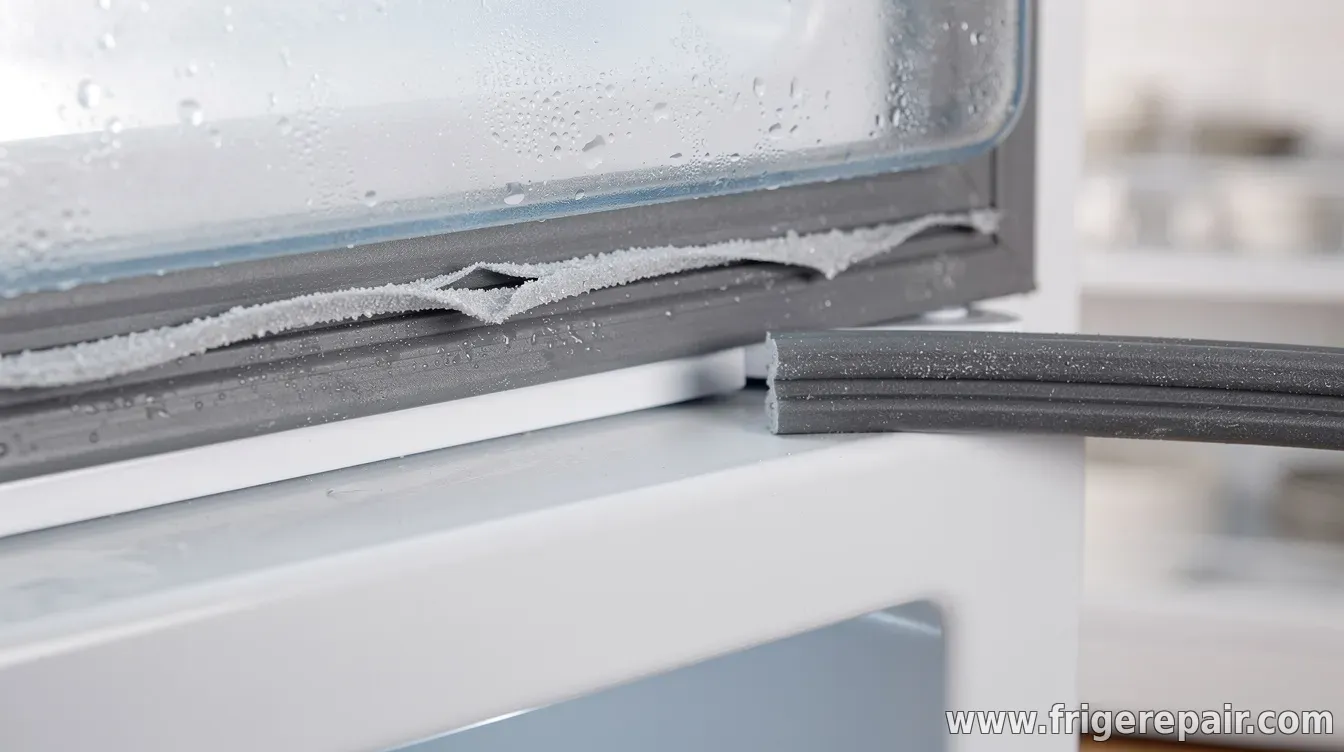
A refrigerator door gasket (the rubber seal around the door) is a small part with a big job: it keeps cold air inside and warm air out. When the gasket deteriorates—through wear, stretching, or damage—the fridge works harder to maintain temperature, which can increase energy use and raise the risk of spoilage.
Replacing the gasket is often straightforward, but timing matters. Addressing the issue early can prevent avoidable temperature swings and help maintain consistent cooling without unnecessary strain on the compressor.
Why the gasket matters
Gaskets form an airtight barrier when the door closes. If the seal isn’t tight, cold air leaks and the appliance compensates by running more frequently. Over time, that extra runtime can mean higher electricity costs and may contribute to premature wear on internal components.
A failing gasket can also lead to condensation or frost buildup near the door edges—especially in refrigerat
... Read more »
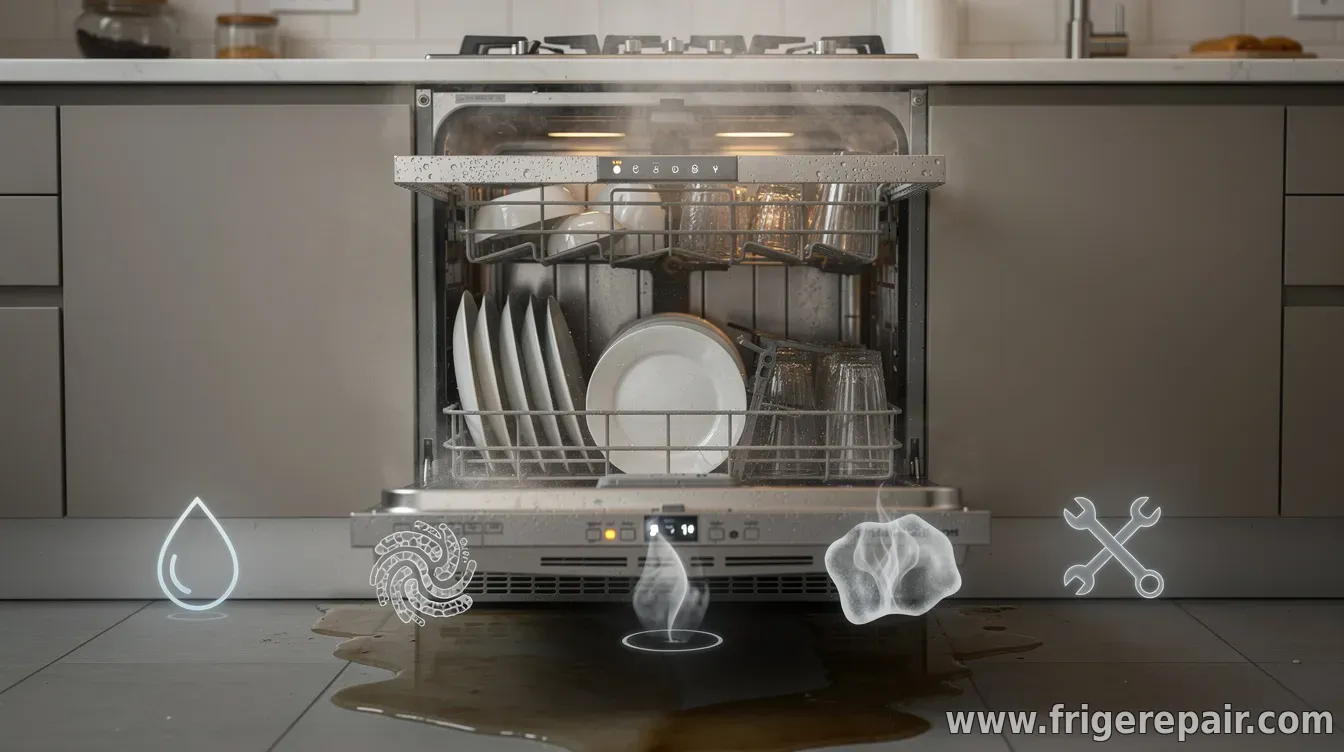
Dishwashers are designed to quietly handle daily messes—but when problems build up, performance usually changes first. If you’re noticing any of the issues below, it may be time to bring in a professional repair technician to diagnose the underlying cause.
Below are five common signs that your dishwasher may need professional attention, along with what they often indicate.
1) Water pooling at the bottom
If you regularly find standing water after a cycle, the issue is often more than “normal drainage.” A clogged drain hose, failing drain pump, or blocked filter/strainer can prevent proper water removal and lead to odors, corrosion, and inefficient cleaning.
2) Dishes come out dirty, cloudy, or spotty
Reduced cleaning performance can point to clogged spray arms, worn wash jets, detergent buildup, or problems with water circulation. When the dishwasher won’t distribute water effectively, glasses can turn cloudy a
... Read more »