3:15 AM Built-In vs. Freestanding Refrigerators: Repair Costs |
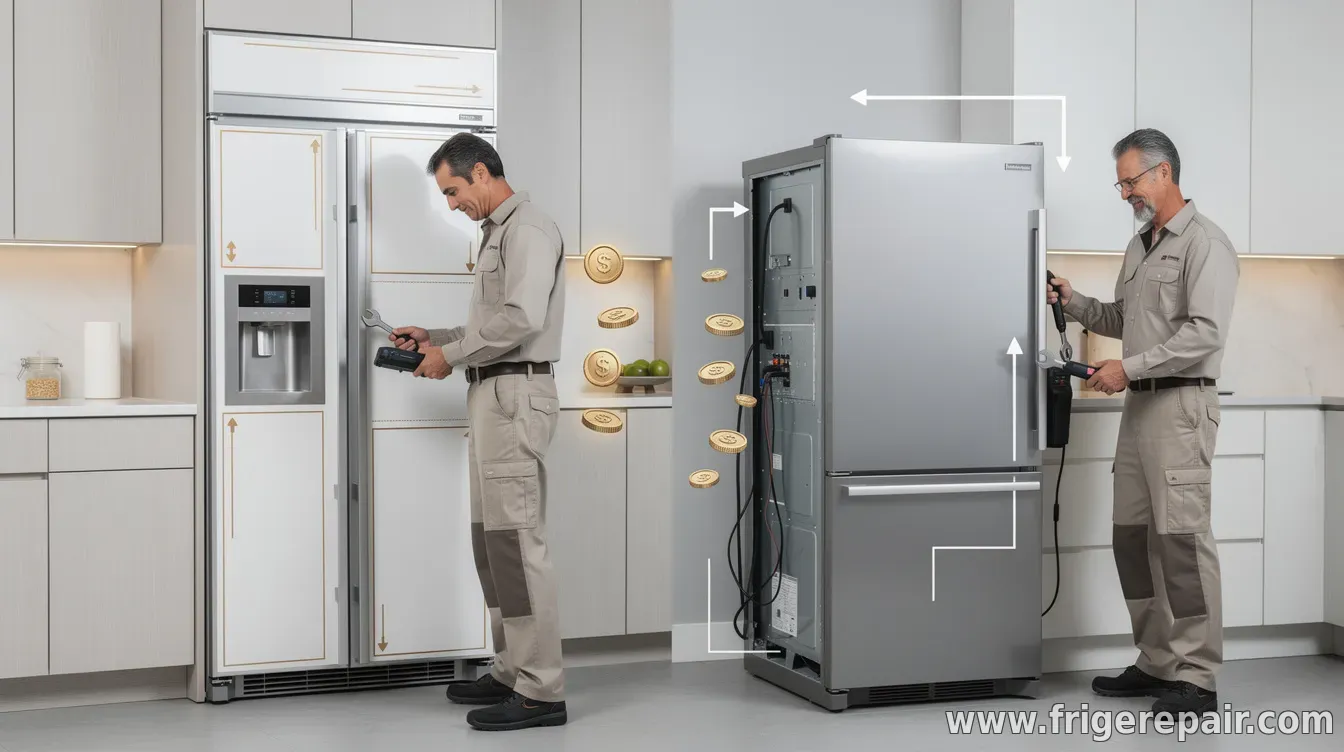 Choosing between a built-in and a freestanding refrigerator can affect more than appearance and layout—it can also change how expensive repairs are when something goes wrong. While both types break down in similar ways (cooling failures, leaks, compressor or fan issues), the total repair bill is often driven by parts availability, labor access, and installation complexity. In general, built-in units tend to carry higher service costs because they’re integrated into custom cabinetry and may use different components than standard stand-alone models. Freestanding refrigerators are usually easier to access, and many common parts are interchangeable across brands and series. 1) Access and labor: the biggest cost differenceFreestanding refrigerators are designed to be serviced from the front and sides, with clearer pathways for technicians to remove panels and reach key components. Built-in refrigerators, by contrast, can be partially enclosed by cabinetry, trim, or ventilation structures. That extra removal time—plus the need to avoid damaging surrounding materials—often increases labor rates and the number of steps required before the actual repair begins. For homeowners, this means two repairs with identical symptoms can still produce different invoices: the built-in version may take longer to diagnose and service even if the underlying issue is similar. 2) Parts and compatibility: custom elements add expenseAnother frequent driver is parts. Built-in models may use specialized fittings, door hardware, and ventilation components tied to specific manufacturers or install configurations. If a replacement part is less common—or if it must match the exact model or year—pricing can rise and availability can affect turnaround time. Freestanding models typically rely more on widely used refrigerator components. That can translate into faster sourcing, more aftermarket or OEM options, and sometimes lower total parts costs—particularly for sensors, fans, and relays. 3) Common repair categories and typical cost patternsMost refrigerator repair bills cluster around a few categories: cooling system failures (compressor, condenser, or refrigerant-related problems), air circulation issues (evaporator fan, condenser fan), temperature/sensor faults, and water/ice problems (inlet valves, clogged lines, or ice maker components). In many of these cases, the part itself may not be drastically different between the two formats—the labor and access often are. When diagnosing cooling problems, built-in units can require additional steps to inspect vents, remove more surrounding panels, or verify airflow around the cabinet opening. If the system involves components located deeper in the chassis, the technician may spend more time extracting access covers and reseating parts correctly. 4) Installation and maintenance choices that reduce repair riskRepair costs are not only about what breaks—they’re also about how well the fridge is set up and maintained. Built-in installations should maintain proper clearance for airflow and ensure vents are not obstructed. Freestanding units still benefit from routine cleaning of condenser coils and checking door seals, but built-in systems can be more sensitive to airflow restrictions because surrounding cabinetry can limit circulation. Simple habits—like cleaning coils periodically, ensuring the door seals close tightly, and addressing unusual noises or temperature fluctuations early—can prevent small issues from escalating into expensive compressor-related failures. When planning for long-term ownership, consider budgeting for service calls and asking your repair provider whether your model’s parts are widely stocked or typically ordered. For built-in refrigerators, it’s especially helpful to confirm the technician’s plan for safely accessing the unit without damaging cabinetry or custom trim. Bottom line: Freestanding refrigerators often cost less to repair because they’re easier to access and commonly supported with readily available parts. Built-in refrigerators can still be reliable, but homeowners should expect higher labor and, at times, higher parts costs due to integrated installation constraints and specialized components. |
|
|
Next & Previous posts
Related articles: