8:15 AM Whirlpool & GE Refrigerator Repair: What to Watch For |
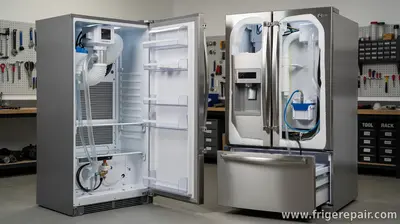
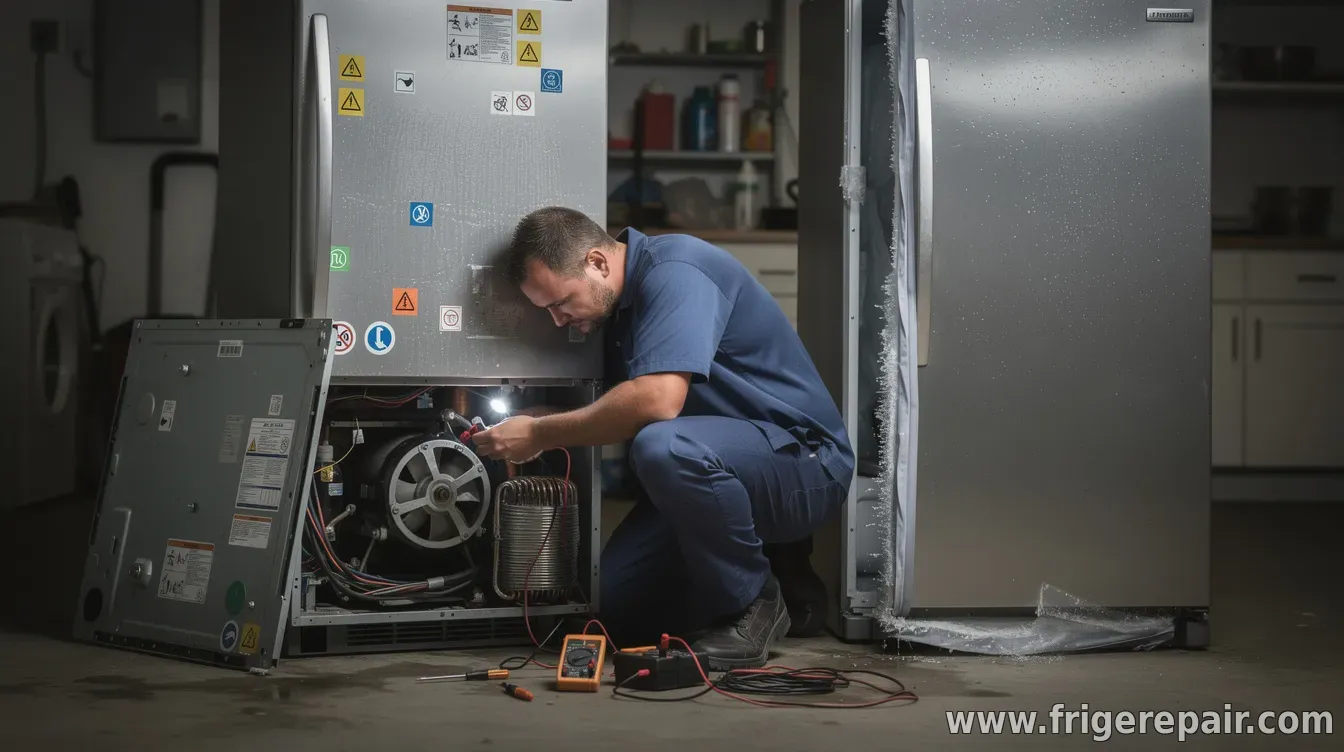 Whirlpool and GE refrigerators are built to last, but wear and environmental factors can trigger problems—from cooling failures to unusual noises. Knowing what to watch for can help you narrow down the cause, avoid unnecessary repairs, and decide when professional service is the safest and fastest option. Many refrigerator problems fall into a few repeat categories: airflow and fan issues, temperature control problems, defrost system failures, and compressor/start components. While the brands share similar refrigeration principles, the exact parts and locations can vary by model year and configuration (top-freezer, bottom-freezer, side-by-side). 1) Cooling problems: check the “pattern” before you replace partsIf the refrigerator or freezer warms up, pay attention to whether both compartments are affected or only one. When the freezer is warm first, it can point toward defrost or airflow problems. When the refrigerator section struggles while the freezer stays cold, it may suggest damper control, air circulation, or sensor-related issues. 2) Temperature swings and “cycling” noisesIntermittent cooling, frequent on/off cycling, or temperature swings often signal an underlying control or airflow fault. A technician will typically look at temperature sensor performance, control board behavior, and how well air is moving through the cabinet. Unusual sounds can also be diagnostic. Fans that rattle or stop unexpectedly, hissing tied to pressure changes, or clicking from the control area may indicate a component that’s failing under load rather than a single “broken” part. 3) Frost build-up: when defrost becomes the likely culpritExcess frost around vents, the evaporator area, or the back panel is a common warning sign. A defrost issue can cause the refrigerator to stop cooling efficiently because airflow gets blocked by ice. In that case, the defrost heater, defrost thermostat/temperature sensor, or the defrost control logic may need inspection depending on the model. Watch for telltale clues: if the unit cools for a short period and then struggles again, or if you see ice where you shouldn’t, it’s often more efficient to focus on defrost-related components before chasing unrelated replacements. 4) Water leaks and ice-maker/drain concernsWater pooling inside the refrigerator, dampness near the fresh food section, or malfunctioning ice production can trace back to clogged drain channels, blocked or frozen water lines, or ice-maker components. If your GE or Whirlpool model has a water dispenser or ice maker, note whether the leak coincides with dispensing or ice cycles—timing can narrow the likely root cause. Sometimes leaks are harmless condensation, but persistent water, corrosion, or repeated overflow points to a drainage or fill problem that should be addressed promptly to prevent damage to surrounding parts and flooring. For safety, avoid pouring hot water into areas that may contain electrical components. If you suspect a frozen water line, allow the unit to warm under normal conditions rather than forcing thawing methods that could increase risk. Before calling for service, you can take a few safe, practical steps: confirm the outlet power, check that the vents aren’t blocked by food or packaging, ensure the door seals close evenly, and verify the temperature settings are appropriate. If your model supports it, reviewing any error codes or diagnostic indicators can also help—especially when the same symptom repeats. However, certain tasks are best left to trained technicians—especially when the issue involves the compressor circuit, sealed system, electrical diagnostics, or anything that requires opening sealed compartments. If the refrigerator is completely warm, repeatedly trips breakers, or you see signs of burning, persistent sparking, or strong electrical odors, stop troubleshooting and seek professional repair. In short: the most useful clues are how the temperature problem behaves over time, whether frost build-up appears, and whether water issues correlate with specific functions like dispensing or ice-making. Using those signals can help Whirlpool and GE owners get to the right diagnosis faster—and reduce the chance of replacing parts that aren’t actually at fault. |
|
|
Next & Previous posts
Related articles: