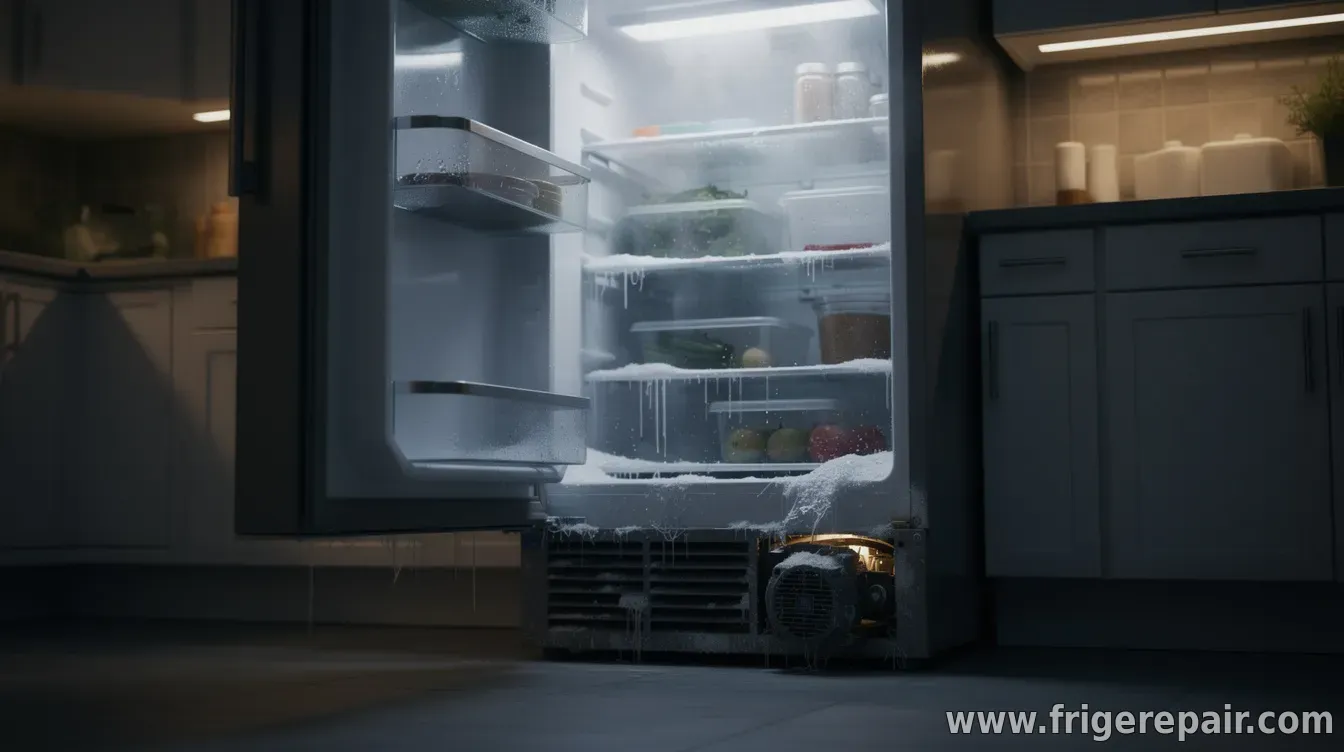
A refrigerator compressor is the “heart” of the cooling system, circulating refrigerant to keep your food at the right temperature. When it begins to fail, the symptoms can appear gradually—or suddenly—depending on the cause. Here are the most common signs that your compressor may be on its way out.
1) The fridge isn’t cooling (or cools inconsistently)
If you notice the refrigerator section warming up, the freezer getting less cold, or temperatures fluctuating, the compressor may not be running long enough—or at full capacity—to move refrigerant properly. In some cases, the fridge may still start cooling briefly, then stop again.
2) Loud buzzing, clicking, or humming that changes over time
Normal operation can include a low hum, but a failing compressor often produces louder or different sounds. You might hear repeated clicking, a sustained buzz, or a hum that becomes noticeab
... Read more »
Strange sounds from a refrigerator can be unsettling, but many are routine parts of how the appliance cools and circulates air. Whether you hear a humming, clicking, or occasional bumping, the key is to notice when the noise happens (right after opening the door, at startup, or continuously) and whether it’s new or getting worse.
Humming: usually the compressor or normal airflow
A steady, low humming is commonly linked to the compressor running or refrigerant moving through the system. It may be more noticeable in quieter rooms or during periods of higher demand—like after restocking groceries or during hot weather.
If the hum becomes louder suddenly, turns into a constant high-pitched sound, or is accompanied by warm interior temperatures, it could indicate an airflow issue (such as a failing fan) or a compressor problem.
An oven that won’t reach the temperature you select can ruin baking and roasting results—and it can also signal an issue that needs attention. While some problems are quick fixes, others require calibration or professional repair. Below is a focused set of checks to help you identify what’s going wrong.
1) Verify the temperature with a reliable oven thermometer
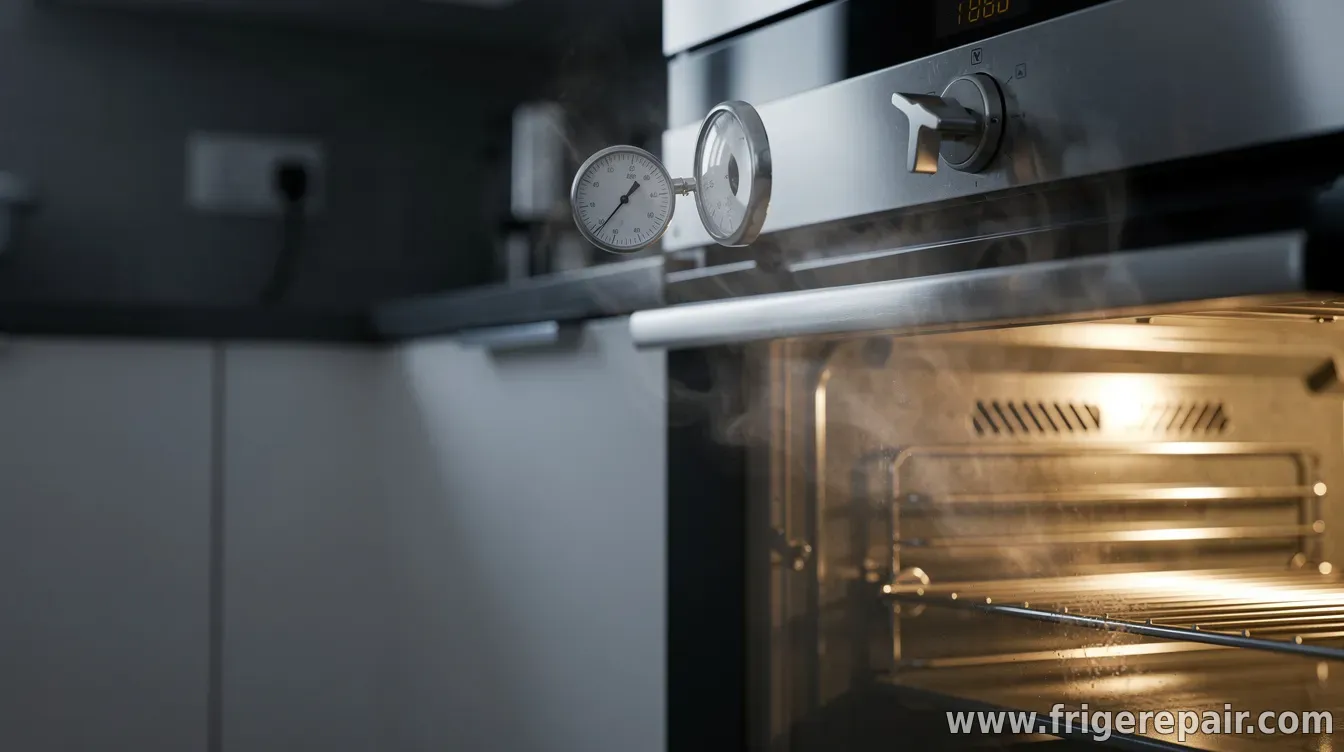
Before assuming the oven is defective, confirm the actual temperature. An oven thermometer (ideally one meant for high heat) can reveal whether the display is off by a few degrees or whether the oven is failing to heat properly.
If the thermometer consistently reads lower than the set temperature, the issue may be calibration, a faulty temperature sensor, or a heating problem.
2) Check common causes before deeper troubleshooting
Many “temperature problems” come from factors that change how heat circulates or how the oven regulates temperature:
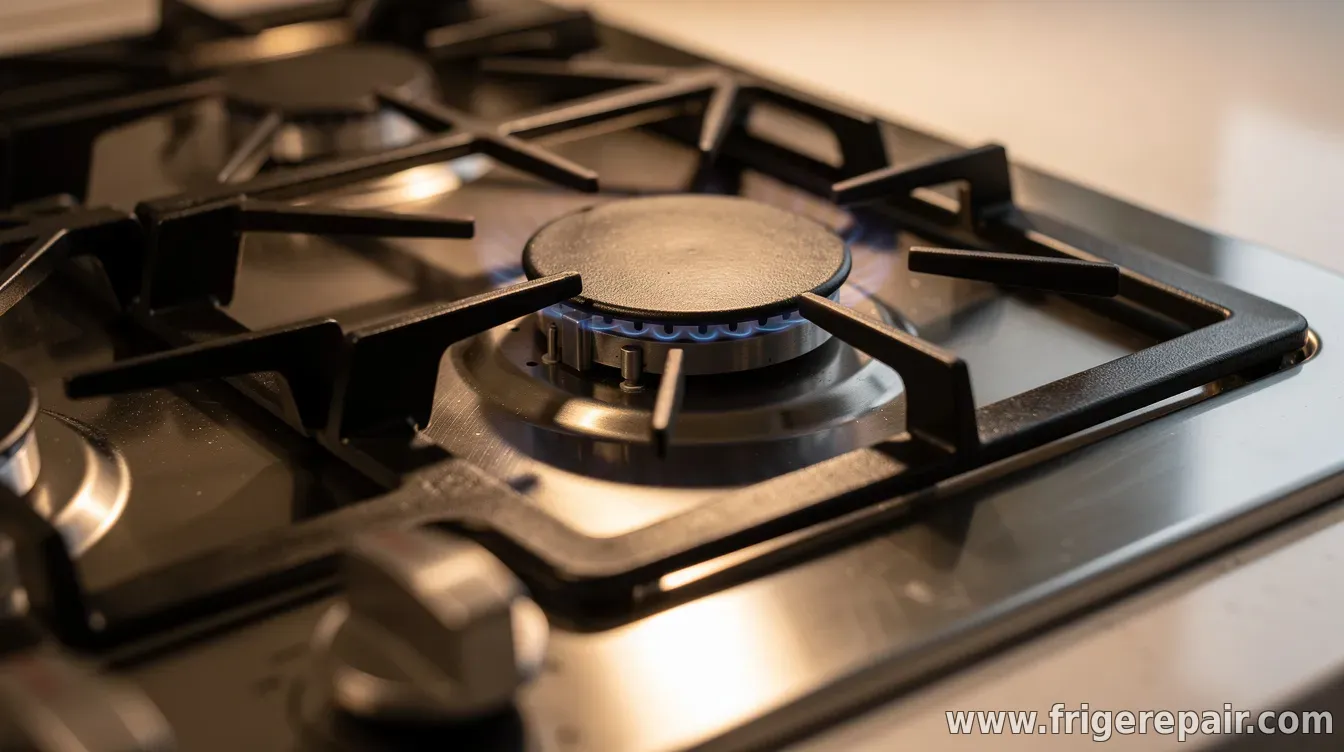
A gas stove burner that won’t light is usually caused by something simple—like a clogged burner, a weak or dirty igniter, or an interrupted gas supply. Start with the safest checks, then move toward cleaning and functional tests to identify the likely culprit.
1) Safety first and basic checks
Before troubleshooting, turn the burner control to OFF and allow any gas to dissipate. If you smell gas strongly or you hear hissing without ignition, stop and ventilate the area, then contact your gas utility or a professional.
Next, confirm the basics: ensure the stove is receiving power (many igniters require electricity), verify the gas supply valve to the stove is fully open, and make sure the burner you’re using is properly seated in its position. If the issue affects all burners, focus on power or supply; if it’s only one burner, focus on that burner’s parts.
2) Check whether the igniter is sparkin
... Read more »