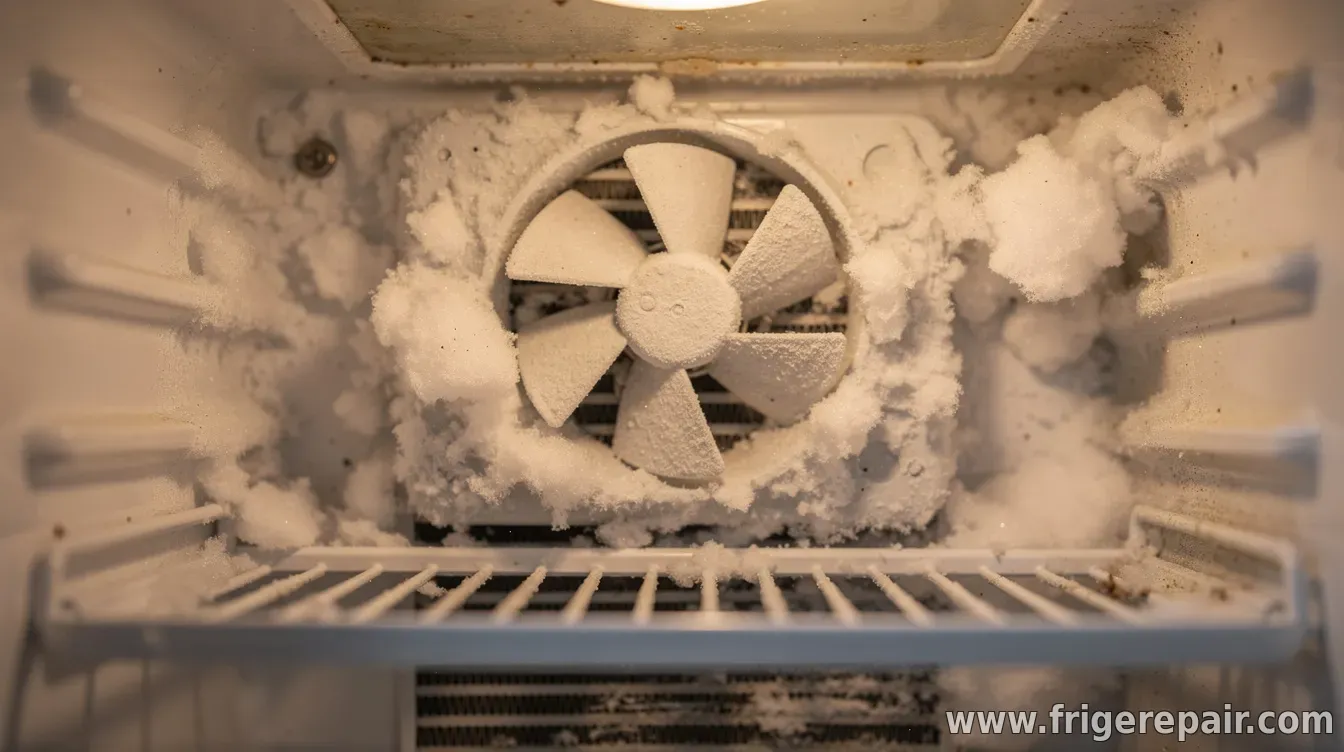
If the evaporator fan in your refrigerator or freezer stops working, the cooling system can’t circulate cold air properly. The result is often uneven temperatures—sometimes with frost where you don’t expect it—and a fridge that seems to run but never reaches the right cold.
Below are the most common symptoms and the key checks that typically lead to a safe, practical repair.
What you’ll notice when the evaporator fan fails
Symptoms usually show up as temperature and airflow problems. Look for one or more of the following signs:
Warm spots in the freezer or refrigerator even though the compressor seems to run.
Uneven cooling, such as one area much colder than another.
No fan sound from the evaporator compartment during the cooling cycle.
Excess frost or ice on the evaporator coil (often linked to defrost issues).
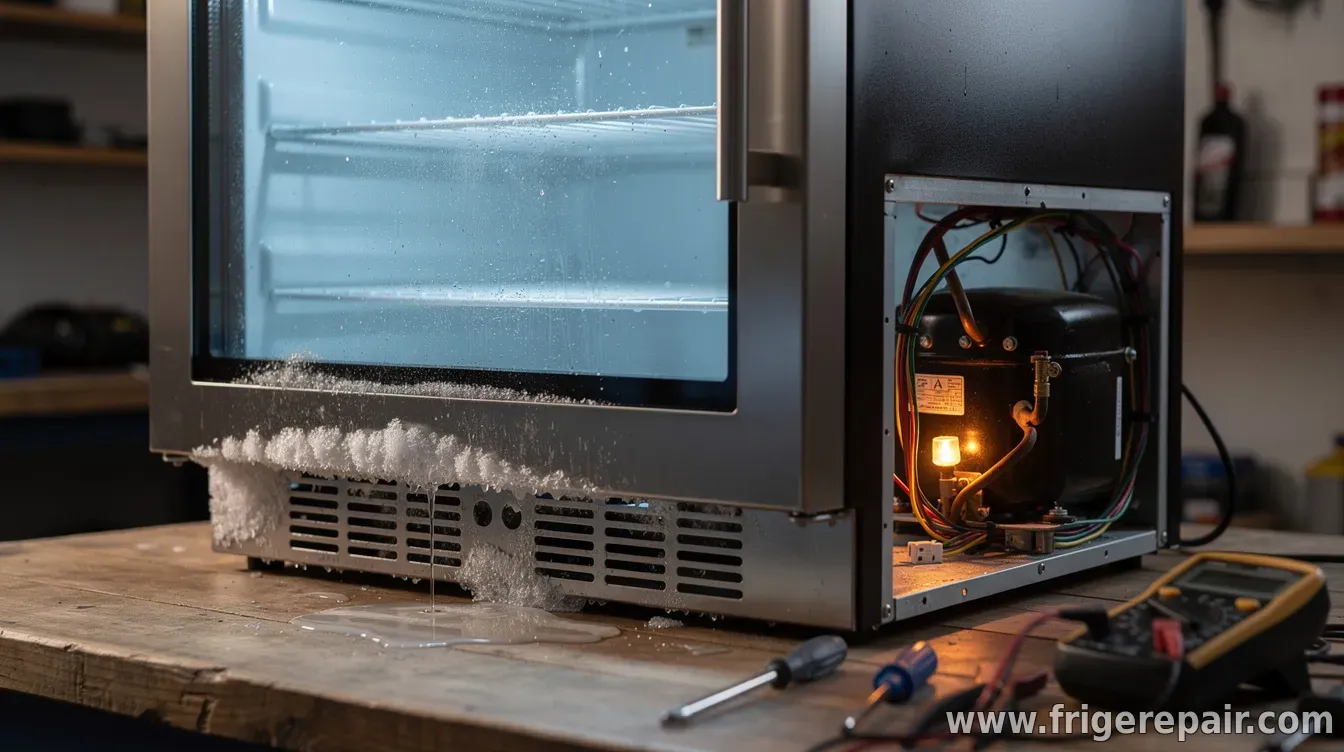
Wine coolers are designed to keep temperatures stable for months—so when something goes wrong, the impact can be immediate. While some fixes are simple (like cleaning vents), others require careful troubleshooting to avoid damaging the compressor or refrigeration system.
This guide highlights the most common wine cooler repair problems, what typically causes them, and when it’s time to involve a professional.
No cooling or not cooling enough
If the unit runs but the interior temperature doesn’t drop, the issue may be with power delivery or the cooling control system. Start by confirming the outlet works and the unit is receiving proper voltage. Many models also have temperature-control sensors or thermostats that can fail, leading to weak cooling performance.
Another frequent culprit is restricted airflow. If the cooler’s vents are blocked by stored items or dust buildup, the compressor may run constantly without achieving th
... Read more »
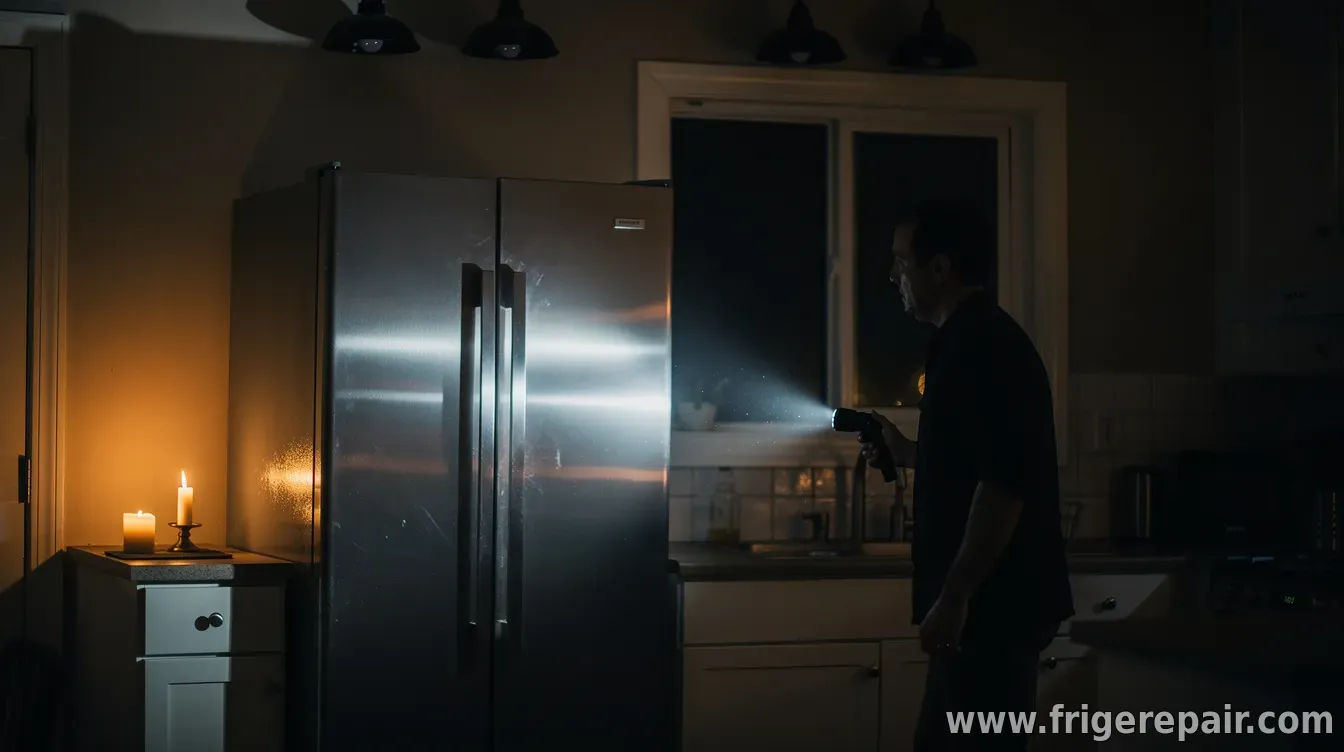
A power outage can turn your refrigerator into a short-term “holding space,” but the clock starts immediately once electricity stops. Food safety during an outage is mainly about temperature control: refrigerators are designed to run cold, and once power is lost, internal temperatures rise gradually—especially with frequent door openings.
Start by keeping the refrigerator closed. The most effective action is to avoid opening the door. Each time the door is opened, cold air escapes and warm air enters, speeding up temperature rise. If you need something, take it all at once and close the door promptly.
How long your fridge may keep food safe
In general guidance, a fully stocked refrigerator will stay cold longer than a half-empty one. If the fridge door remains closed, many sources estimate that it can keep a safe temperature for roughly 4 hours, while a fully loaded unit may hold longer. After that window, the risk increas
... Read more »
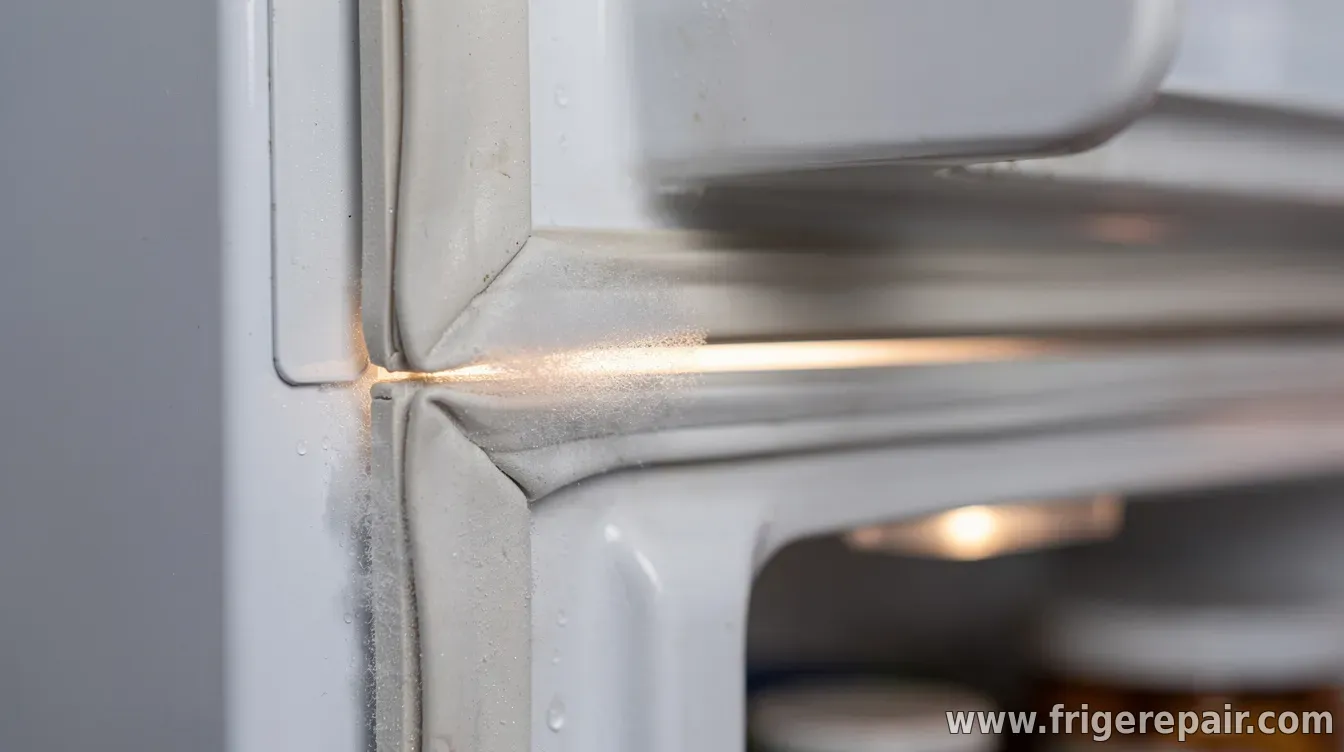
A refrigerator door that won’t close tightly or leaves gaps around the edges can quickly lead to warmer interior temperatures and higher energy bills. In many cases, the culprit is the door gasket—an elastic rubber seal designed to keep cold air inside and prevent warm air from leaking in.
Common signs of a failing gasket
If the fridge door seems to “float” open slightly, produces condensation near the hinges, or requires frequent pushing to fully latch, the gasket may not be sealing as intended. Other indicators include uneven frosting inside (especially around the door edges), reduced cooling performance, and a noticeable draft when the door is closed.
Why refrigerator gaskets fail
Door gaskets typically degrade due to everyday wear and tear. Over time, heat cycles can make rubber less flexible, while food spills and sticky residues can prevent the seal from lying flat. Misalignment can also happen after the fridge is mov
... Read more »