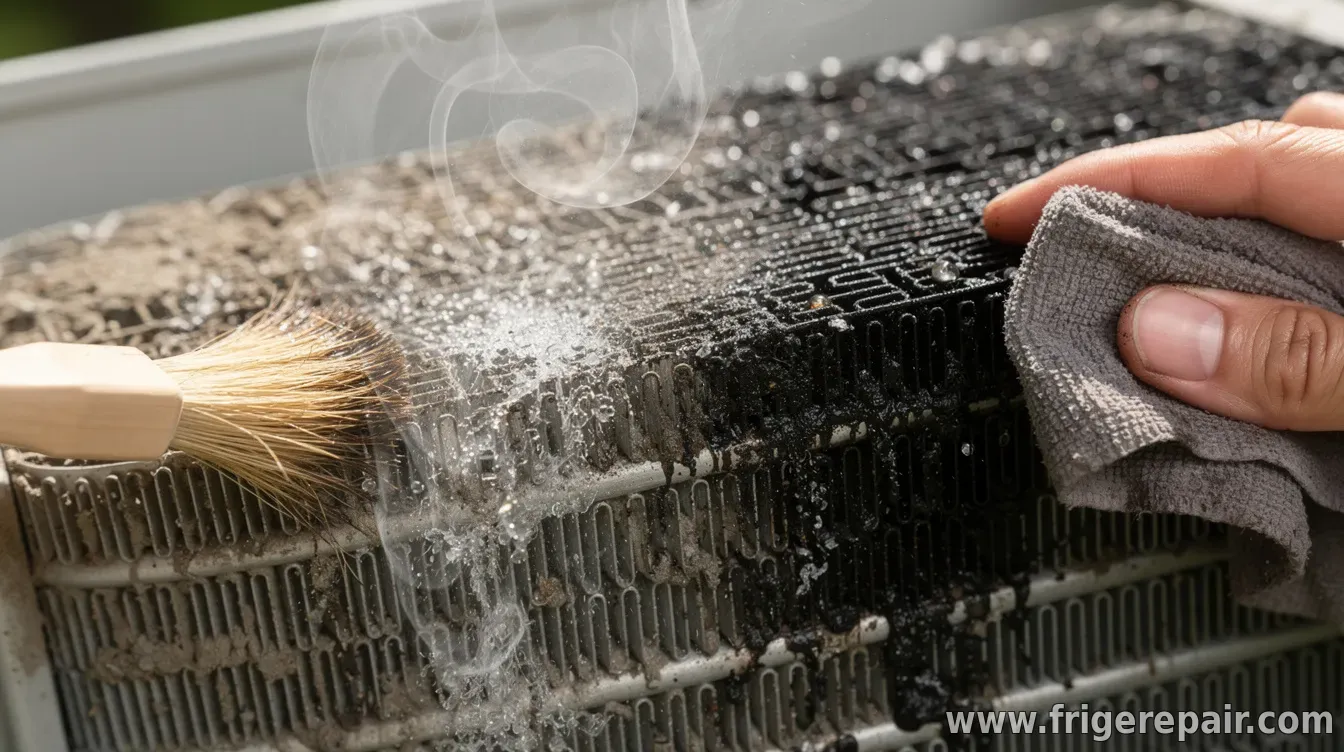
Condenser coils are a critical part of many air conditioners and heat pumps: they release heat outdoors so the system can keep your home comfortable. When coils get clogged with dust, pet hair, leaves, or grease, airflow drops and the system has to work harder—often leading to higher energy bills and more frequent repairs.
Proper coil cleaning is also one of the simplest homeowner maintenance tasks. The key is knowing the right method, avoiding damage to fins and wiring, and choosing a schedule based on your environment.
How to clean condenser coils
1) Turn off power. Shut off the thermostat and switch off the system at the outdoor disconnect or breaker. This protects you while you remove debris and clean around electrical components.
2) Clear loose debris first. Remove leaves, grass clippings, and visible buildup around and between the fan housing and coil area. Use a soft brush or a gentle vacuum attachment
... Read more »
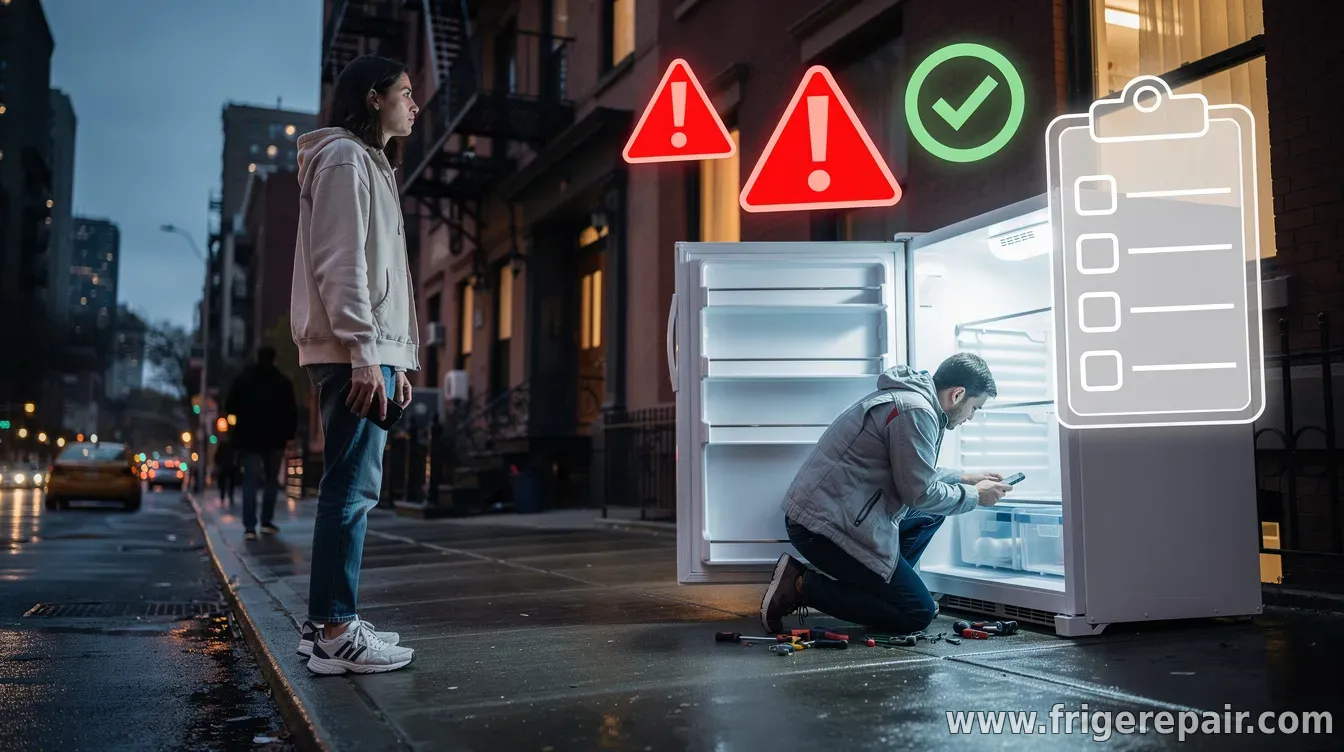
When your refrigerator stops cooling, the clock starts ticking—especially in a city like New York where schedules, grocery runs, and deliveries are tight. The right repair shop can restore performance fast, while the wrong one can leave you paying twice.
Below is a practical, NYC-focused checklist and the most common red flags to watch for when selecting a refrigerator repair company.
Start with licensing, insurance, and real contact details
Before you book, confirm the company is properly set up to work in NYC. Reliable technicians or firms can provide verifiable business information—such as a physical address, a working phone number, and current credentials. Insurance matters too: it should cover the technician’s work and protect you from liability if something goes wrong at your home.
Red flags: only a mobile number or social media DMs, no verifiable business identity, or reluctance to share insurance and busine
... Read more »
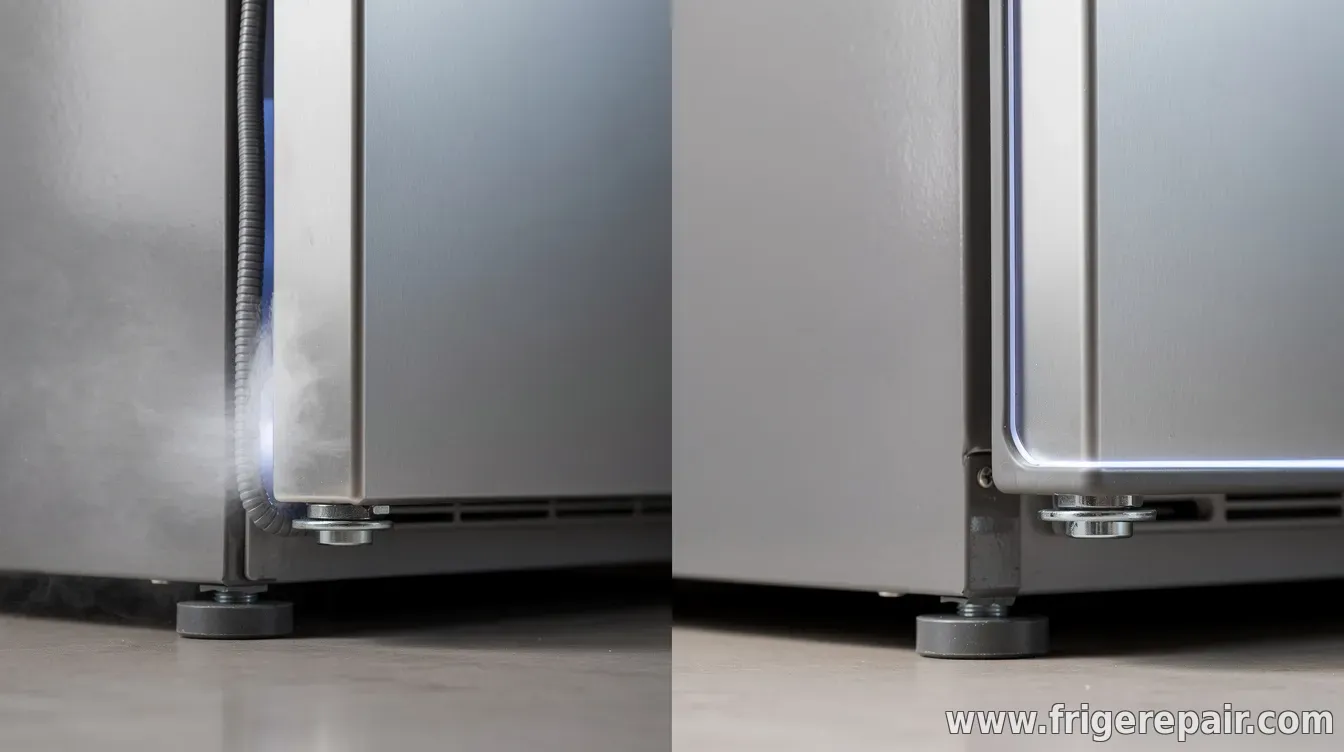
A refrigerator that looks “mostly straight” may still be off level enough to affect how its door closes. When the door sits unevenly, the gasket (the flexible seal around the edge) may not compress uniformly, creating tiny leaks that let warm air in and cool air out.
Those airflow leaks can make the compressor work harder, raise internal temperatures, and lead to uneven cooling between compartments. Over time, that can also contribute to frost buildup in the freezer or condensation near door edges, depending on the model and climate.
Why leveling changes door alignment
Most refrigerator doors rely on hinges, latching hardware, and a compressible gasket to form a tight seal. If the refrigerator cabinet is tilted forward, backward, or side-to-side, the door can sit a fraction of a degree differently. Even slight misalignment can reduce contact pressure on one section of the gasket while over-compressing another.
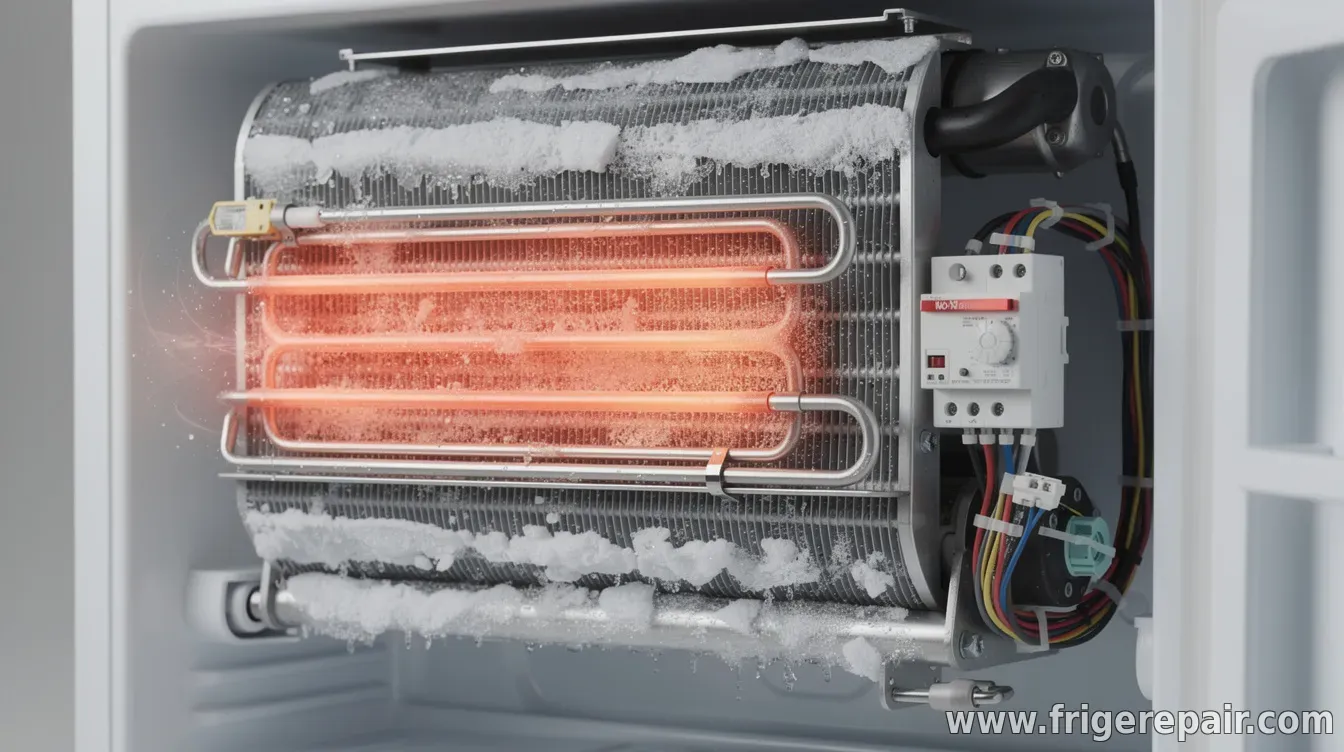
A refrigerator’s defrost system is designed to prevent ice from building up on the evaporator coils. When frost accumulates, it can block airflow and reduce cooling performance. To solve this, the system periodically switches from “cooling mode” to “defrost mode,” using a defrost heater, a control element (often a timer or electronic board), and a thermostat.
1) The defrost heater: turning frost into meltwater
The defrost heater is the component that actually provides the heat during defrost. In many units, it’s an electric heating element mounted near the evaporator coils. When the refrigerator enters defrost mode, the heater warms the coils enough to melt ice and frost.
As the ice melts, the water typically drips into a drain channel and flows to a drain pan. In many designs, a separate mechanism—often a small heater or airflow—evaporates the water from the pan to prevent pooling.