
1:58 AM Refrigerant Leak: Signs, Dangers, What to Do |
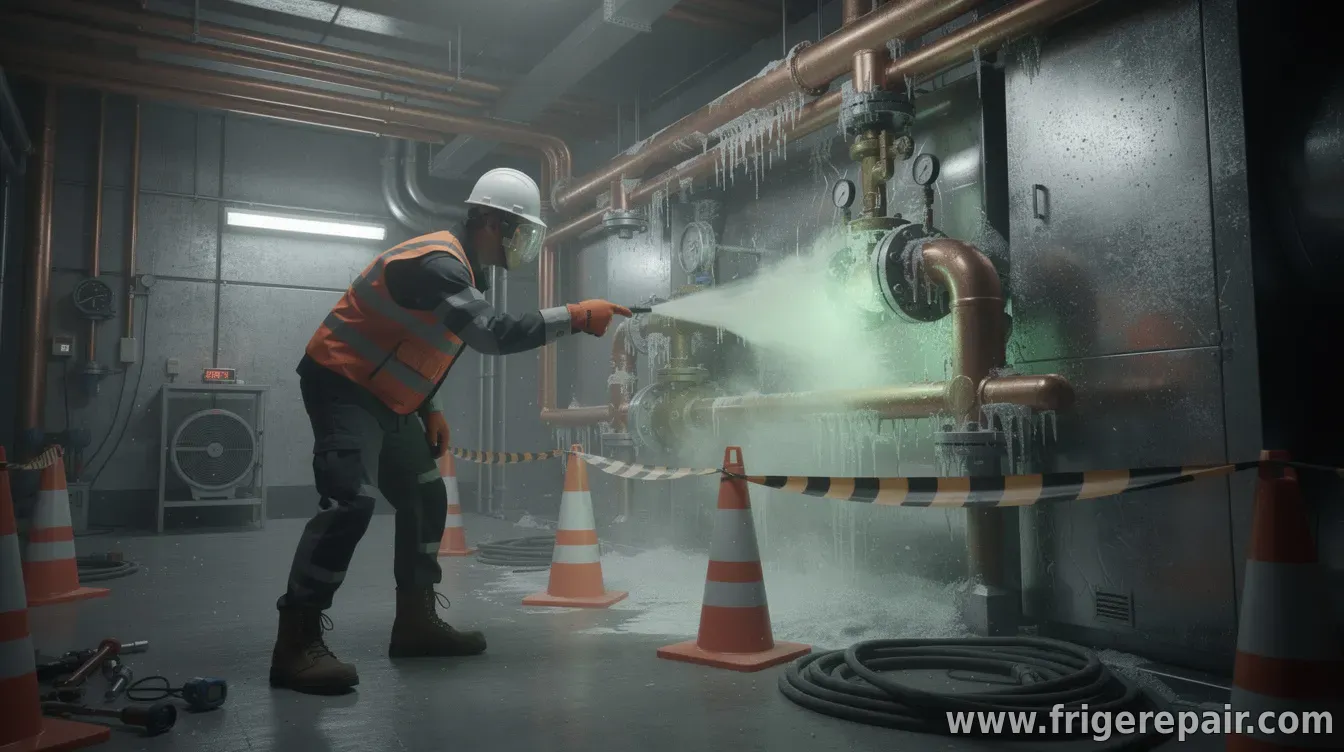 The presence of a refrigerant leak is more than a simple maintenance issue. It can affect indoor air quality, trigger health symptoms, and contribute to environmental harm if not addressed promptly. This article explains what to watch for, why leaks happen, and the best actions to take to protect people and property. Common signs of a refrigerant leakLook for a sweet or chloroform-like odor near HVAC units, a noticeable frost on refrigerant lines or coils, hissing sounds from equipment, or reduced cooling performance. Some leaks may not produce obvious signals immediately, making ambient symptoms like headaches, dizziness, or throat irritation important secondary cues in poorly ventilated spaces. Why leaks are dangerousRefrigerants can be toxic or cause asphyxiation in high concentrations, depending on the chemical. In addition to immediate health risks, leaks contribute to ozone depletion and climate change, especially certain older refrigerants. Prolonged exposure can affect skin, eyes, and the respiratory system, while concentrations in enclosed spaces pose greater risk to occupants. Immediate steps if you suspect a leak1) Ventilate the area by opening doors and windows if it is safe to do so. 2) If anyone experiences breathing difficulty, dizziness, or chest discomfort, move to fresh air and seek medical attention. 3) Turn off or isolate the suspected equipment only if you can do so safely from a distance. 4) Do not use flames, sparks, or electrical switches near the leak. 5) Contact a licensed HVAC technician or environmental professional to locate, repair, and recharge the system following local regulations. What to tell a professionalProvide the location, approximate smell or symptoms, the type of system (home or commercial), and any observed frost or moisture near the units. If possible, note the time of onset and whether the space was occupied during the leak. Prevention and next stepsRegular maintenance, timely detection equipment, and proper system design reduce leak risk. Schedule routine inspections, ensure refrigerant charge is correct, and promptly repair any seal or connection issues. Keep emergency contact numbers handy and educate occupants on signs that warrant professional evaluation. |
|
|
Next & Previous posts