3:01 AM Fridge Cold, Freezer Warm: Why Temperatures Swap and How to Fix It |
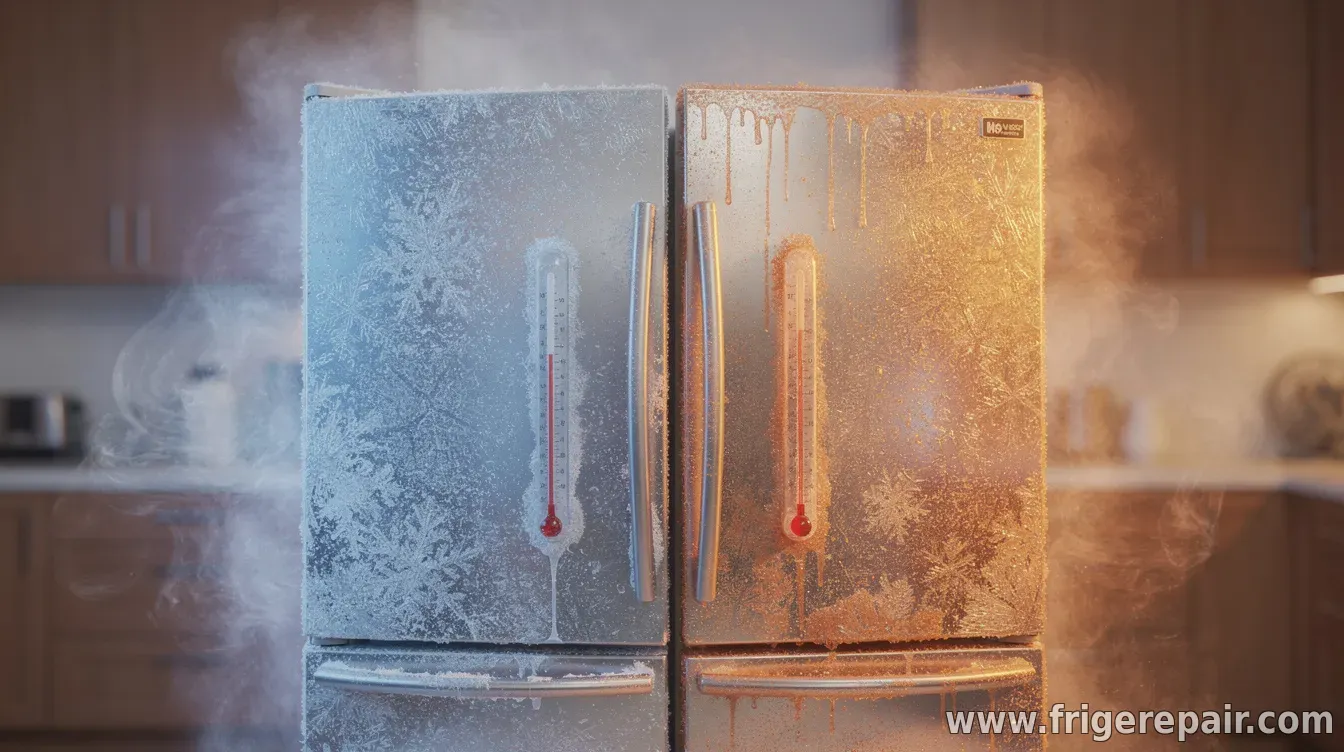 When a fridge and freezer aren’t keeping their intended temperatures, it can be caused by a few common issues that are usually simple to diagnose. A warm freezer with a cold fridge or a cold freezer with a warm fridge often points to airflow problems, door seals, or coolant-freezing issues rather than a total appliance failure. What causes the swap In many models, cold air from the freezer is circulated to cool the fridge. If the airflow is restricted or the damper (the vent controlling air flow) is stuck, the fridge can get too cold while the freezer warms up. Conversely, if the freezer door is not sealing properly or the frost buildup is excessive, cool air can leak or become blocked, leading to a warmer freezer and a too-cold fridge. Other common culprits include overloaded or improperly placed items blocking vents, a malfunctioning thermostat, or a faulty defrost system. In older units, refrigerant flow or condenser cleanliness can also impact temperatures across compartments. Initial quick checks Start with the basics: verify door seals are tight and clean, ensure doors aren’t left ajar, and check that vents inside the fridge and freezer are not blocked by food. Clean the condenser coils if accessible, and make sure the unit isn’t placed against a heat source or in direct sunlight. If you hear unusual noises or observe excessive frost, the issue may be more serious. Troubleshooting steps 1) Check the damper control and temperature settings to ensure the fridge and freezer are set within the manufacturer’s recommended ranges. 2) Empty and reorganize so vents are open; remove any items that obstruct airflow. 3) Defrost if you see ice buildup that blocks airflow. 4) Clean or replace door gaskets if they don’t seal properly. 5) If the problem persists, it may require a professional service to verify the compressor, fan, or defrost components. In many cases, correcting airflow and sealing faults solves the issue without major repairs. Keeping a regular defrost cycle, cleaning coils, and scanning for frost buildup can help prevent future temperature mismatches. When to call a technician If temperatures remain out of spec after basic maintenance, or you notice ice buildup that won’t thaw, contact a licensed technician. Ongoing temperature instability can indicate a refrigerant leak, faulty thermostat, or failing compressor, all of which require professional diagnosis. |
|
|
Next & Previous posts
Related articles: