1:31 AM How to Prep Your Fridge for a Heatwave | |
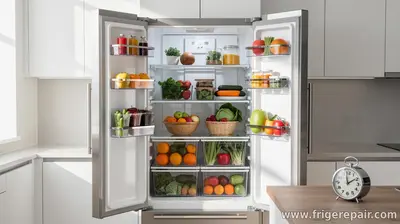
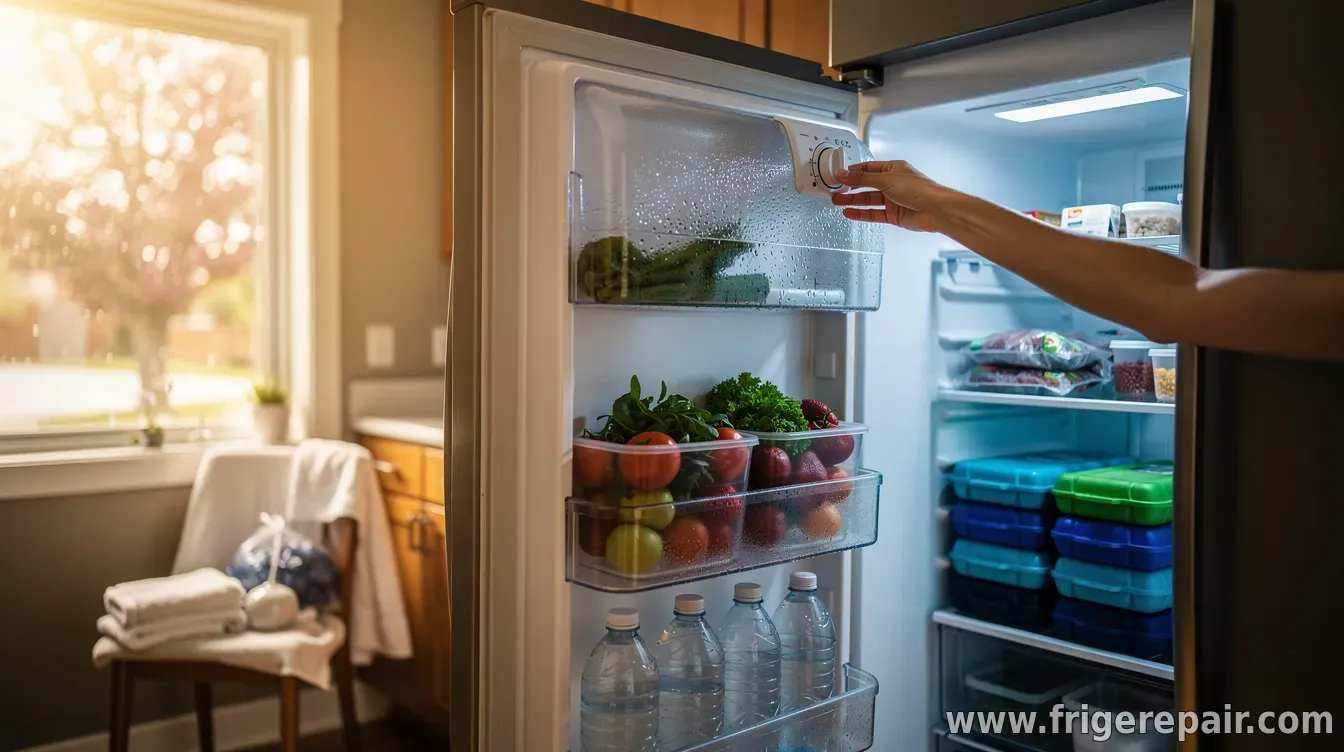 Heatwaves can push household fridges toward their limits, especially when doors are opened frequently or seals are worn. High ambient temperatures raise the compressor workload and can compromise food safety if temperatures drift above safe levels. Understanding the risk helps homeowners act decisively to protect both groceries and energy bills. Why heat affects your fridgWhen outdoor temperatures spike, the fridge must work harder to maintain the ideal interior range . If the door is left open, or the seals are weak, warm air slips in, forcing the compressor to run longer and longer. Over time, this can increase energy use and shorten the appliance’s lifespan. Step-by-step prep for a heatwave1) Inspect and refresh seals: Close the door and run a simple paper test; if the paper slips out easily, replace the gasket. 2) Clean condenser coils: Dusty coils block heat exchange; unplug the unit and wipe with a brush or vacuum. 3) Set appropriate temperatures. 4) Minimize door openings: Plan meals in advance and stock shelves to reduce air exchange. 5) Organize contents: Store perishable items together and away from the door to minimize temperature fluctuations. 6) Add airflow helpers: Don’t block vents; allow air to circulate around shelves. 7) Improve insulation if needed: Consider an upgrade or a taller unit with better insulation for heatwaves. Additional tips and monitoringUse a fridge thermometer to verify interior temperatures, especially during peak heat hours. Keep the fridge away from heat sources like ovens or direct sunlight. If you anticipate extended heat, consider moving some items to the freezer to extend shelf life, and run a quick defrost if frost buildup reduces efficiency. Regular maintenance, such as cleaning ice buildup and checking the thermostat, helps sustain performance during hot spells. In case of ongoing heat stress, monitor for signs of inefficiency: excessive frost, unusual motor noise, or persistent warm spots inside. Addressing these issues promptly can prevent food waste and expensive repairs, while also reducing energy consumption during heatwaves. | |
|
| |
Next & Previous posts
Related articles:
![]()