NEWS 📰, Appliance repair, services, guarantee, Brooklyn, NY, installation, refrigerator, dryer, washer, stove, dishwasher, about us. Full service repair of all brands of appliances NYC


10:21 AM
Evaporator Fan Not Working: Common Symptoms and Fixes


If the evaporator fan in your refrigerator or freezer stops working, the cooling system can’t circulate cold air properly. The result is often uneven temperatures—sometimes with frost where you don’t expect it—and a fridge that seems to run but never reaches the right cold.

Below are the most common symptoms and the key checks that typically lead to a safe, practical repair.

What you’ll notice when the evaporator fan fails

Symptoms usually show up as temperature and airflow problems. Look for one or more of the following signs:

  • Warm spots in the freezer or refrigerator even though the compressor seems to run.
  • Uneven cooling, such as one area much colder than another.
  • No fan sound from the evaporator compartment during the cooling cycle.
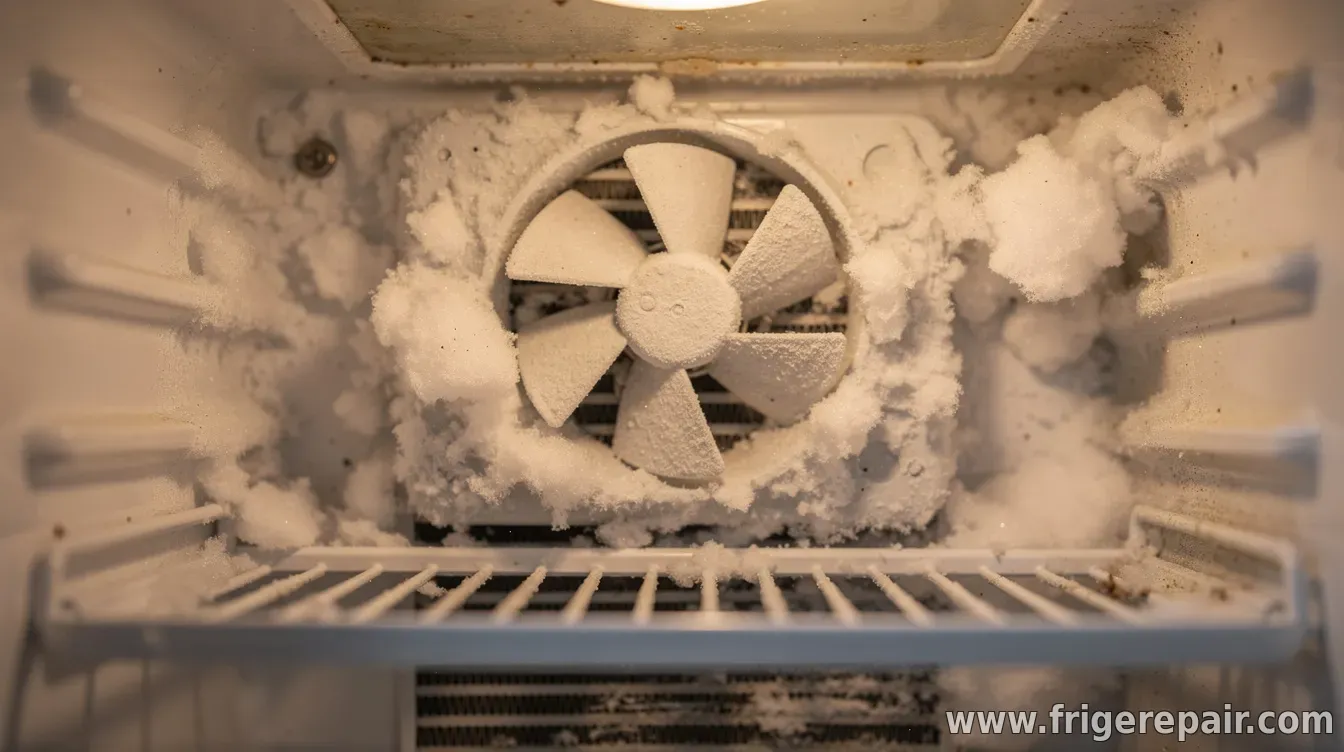
  • Excess frost or ice on the evaporator coil (often linked to defrost issues).
  • Water pooling or dripping inside the unit, especially if ice blocks airflow.

Quick context: why the evaporator fan matters

The evaporator fan moves air over the cold evaporator coil and distributes that air through the refrigerator section. When airflow stops, cold air can’t reach the rest of the compartment, so your unit may cycle inconsistently or struggle to maintain set temperatures.

Common causes to check before replacing parts

There are several typical failure points, ranging from simple obstructions to electrical problems. A good repair starts with verifying whether the fan receives power and whether it’s blocked or mechanically stuck.

1) Blocked airflow or ice buildup
If the evaporator coil is heavily iced over, the fan may be unable to spin or may be restricted by ice. Inspect for thick frost/ice on the evaporator area. If ice is the culprit, addressing the defrost system may resolve the fan issue.

2) Fan motor or blade obstruction
Sometimes the fan blade is jammed by debris or an ice chunk. Carefully check whether the fan can rotate freely once power is removed. If it’s stiff or won’t move, the motor or mechanical assembly may need service.

3) Faulty fan motor or control board
Even if the fan assembly looks intact, the motor may fail electrically, or the refrigerator’s control board may not be sending power. In many models, the fan runs only under certain conditions, so confirm the unit is calling for cooling.

4) Defrost system problems
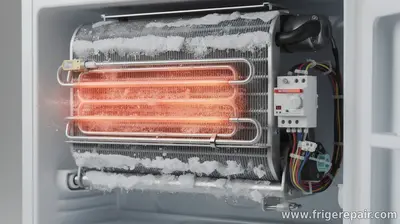
A malfunctioning defrost heater, thermostat, or defrost control can cause persistent icing. Over time, the coil becomes insulated by ice, and the fan struggles or is effectively prevented from circulating air.

Basic troubleshooting steps for homeowners

Before any hands-on work, unplug the unit (or disconnect power). Then proceed carefully. If you’re not comfortable working around electrical components, consult a qualified technician.

Step 1: Verify the symptom
Check whether the evaporator fan never runs, runs intermittently, or runs only at certain times. Also note whether the freezer is warming, frosting unevenly, or showing signs of blocked airflow.

Step 2: Look for visible ice patterns
Heavy frost accumulation at the evaporator points toward defrost-related failure. Light frost can be normal depending on the model and cycle state.

Step 3: Inspect the fan blades
Look for obstructions and confirm the blade can turn freely without forcing it. If it’s blocked by ice, thawing (with the unit unplugged) may restore operation—but the underlying cause may still require repair.

Step 4: Test whether the fan gets power (if equipped to do so)
Some repairs require checking for voltage at the fan connector or testing the motor for continuity/operation. If you don’t have the right tools or experience, it’s safer to stop and call for service.

Step 5: Consider replacing the correct part
If the fan motor is confirmed defective, the fan assembly is typically replaced. If icing is chronic, the defrost heater/control components may need attention rather than the fan itself.

When to stop DIY and call a technician

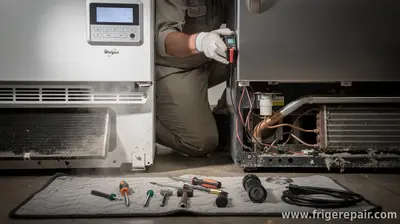
Call a professional if you suspect multiple failing components (for example, persistent heavy icing plus no fan action), if you find burned wiring, or if diagnostic checks require measuring electrical signals you’re not equipped to test safely. Quick action helps prevent food spoilage and reduces the chance of repeated cycling that can strain other parts.

In many cases, an evaporator fan that isn’t running is a symptom of an underlying airflow or defrost issue. But the best fix depends on what you see: frost patterns, whether the blade is free, and whether power reaches the fan motor.

Category: Appliance repair services | Views: 10 | Added by: admin | Tags: evaporator fan, defrost issues, Home appliances, freezer problems, refrigerator repair | Rating: 5.0/1


Next & Previous posts


Related articles: