1:33 AM Garage or Basement Fridge in Winter: Why It Stops Working |
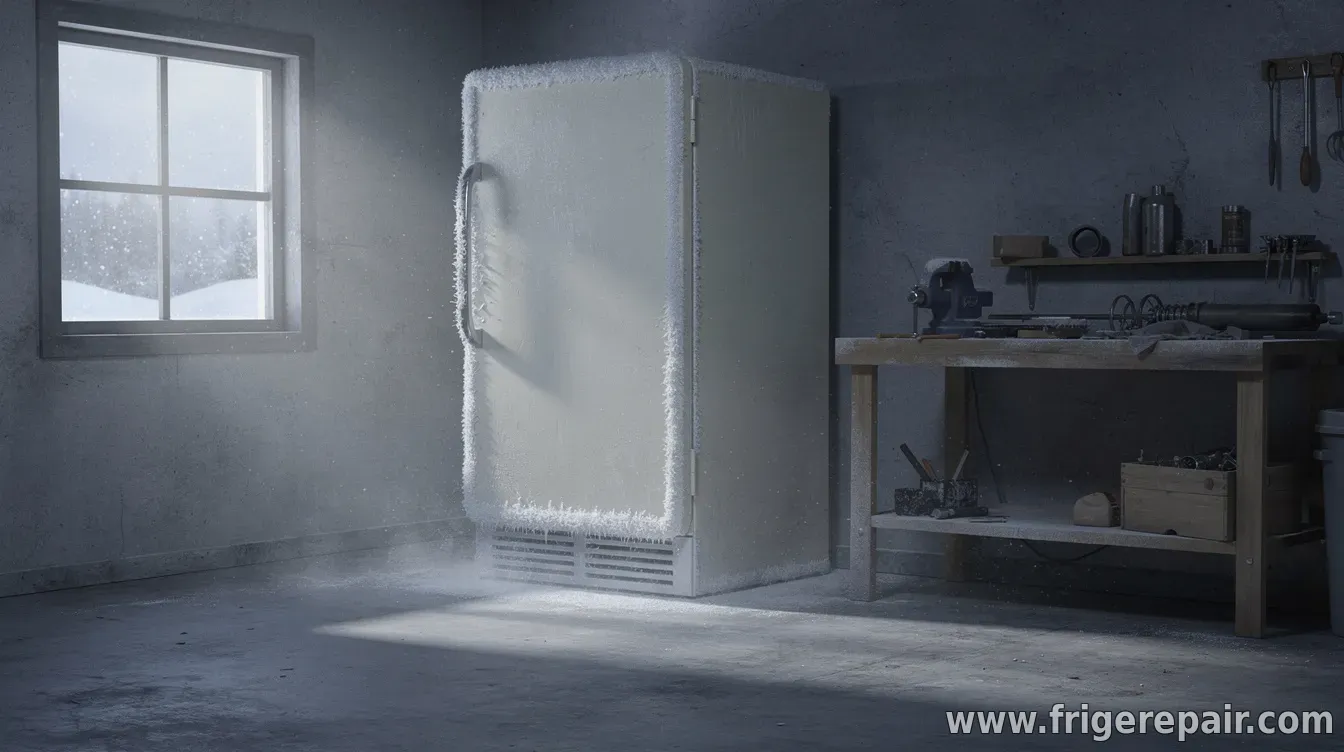 Many homeowners rely on a second fridge in the garage or basement to store extra beverages, leftovers, or bulk groceries. When winter rolls in, these fridges often behave differently than they do in a typical interior kitchen. The main issue is simple: fridges are designed to operate within a fairly narrow temperature range, and extreme cold or fluctuating ambient temperatures can interfere with how they regulate cooling. What goes wrong in cold spaces Cold ambient temperatures can cause the thermostat to misread the interior temperature. Some chest and upright models use ambient sensors that, if placed near a cold wall or window, may signal the compressor to shut off prematurely, leading to inadequate cooling inside the fridge. In addition, condensation and frost can build up on the coils or evaporator, reducing heat exchange efficiency. If your garage or basement is unheated, the compressor may run less efficiently or cycle irregularly, and in some cases, this can stop cooling altogether during severe cold snaps. Common fixes and prevention tips First, check the location: avoid placing the fridge near exterior walls, doors, or heating vents. If possible, keep the unit in a space that stays above freezing but not excessively warm. Ensure the door seals are intact and the interior temperature dial is set to around 37–40°F (3–4°C). Keep the condenser coils clean and free of dust, as blocked airflow worsens performance in cold rooms. If you notice frost buildup, defrost the unit and inspect for leaks or door alignment. If the space is persistently below freezing, consider moving the unit indoors or using an indoor-rated chest freezer instead of a traditional fridge in that location. Some models have a low-temperature setting or a heater kit option, but using these requires following the manufacturer’s guidance to avoid electric or fire risks. When to replace or seek professional help If the fridge continues to fail to maintain temperatures despite maintenance, or if you observe unusual noises, leaking refrigerant, or persistent frost that doesn’t resolve with defrosting, it’s time to consult a professional. Prolonged improper cooling can lead to food safety concerns and energy waste. In very cold climates, a dedicated garage-rated unit or a heater-proof enclosure may be the safer long-term solution. In sum, winter performance hinges on placement, proper temperature settings, and regular maintenance. A little preventive care now can save you from spoiled groceries and unexpected outages later in the season. |
|
|
Next & Previous posts
Related articles: