3:47 AM Refrigerator Leveling: How Door Alignment Impacts Cooling | |
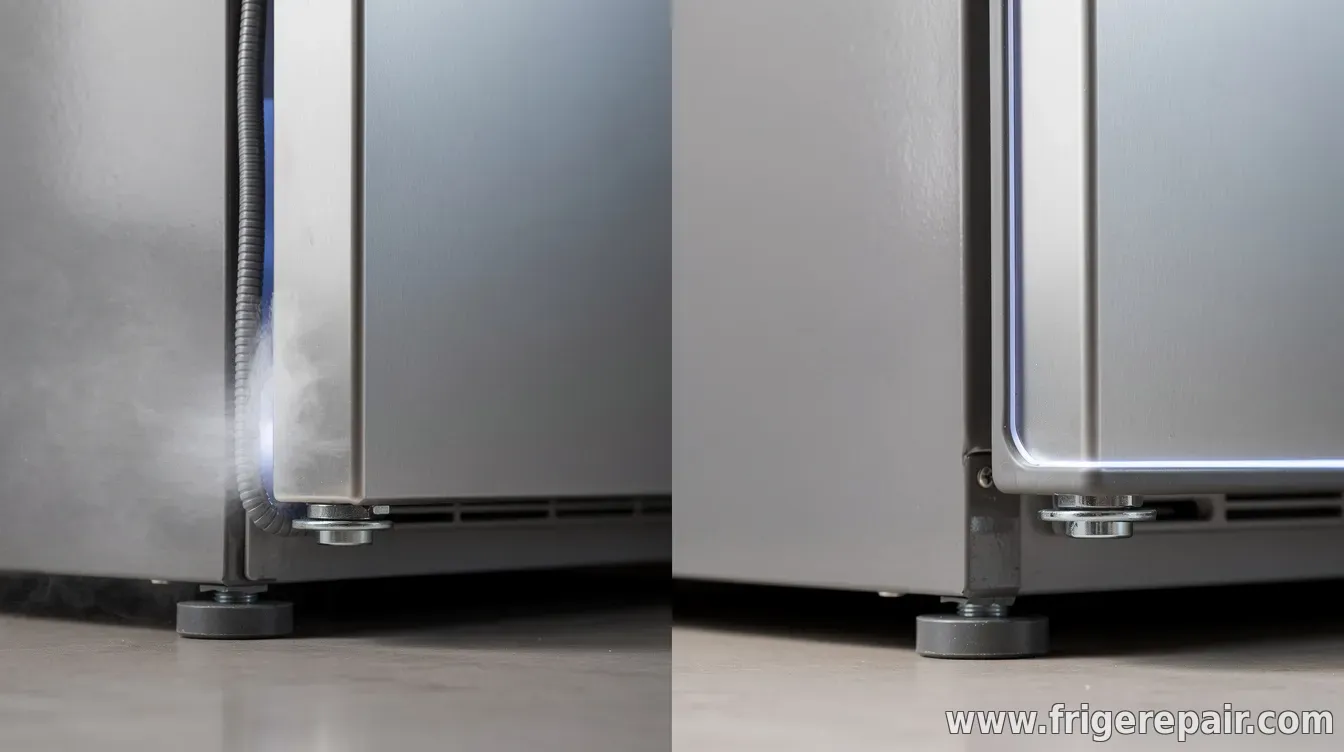 A refrigerator that looks “mostly straight” may still be off level enough to affect how its door closes. When the door sits unevenly, the gasket (the flexible seal around the edge) may not compress uniformly, creating tiny leaks that let warm air in and cool air out. Those airflow leaks can make the compressor work harder, raise internal temperatures, and lead to uneven cooling between compartments. Over time, that can also contribute to frost buildup in the freezer or condensation near door edges, depending on the model and climate. Why leveling changes door alignmentMost refrigerator doors rely on hinges, latching hardware, and a compressible gasket to form a tight seal. If the refrigerator cabinet is tilted forward, backward, or side-to-side, the door can sit a fraction of a degree differently. Even slight misalignment can reduce contact pressure on one section of the gasket while over-compressing another. The result is a seal that isn’t uniform. One corner may hold well, while the opposite side forms a microscopic gap—especially when the door is gently pulled open and released. How a weak seal affects cooling and energy useWhen warm air enters, the refrigerator must remove that heat to maintain set temperatures. That typically increases compressor run time and can raise electricity consumption. In practice, you may notice:
For households sensitive to food safety or storage quality, these effects can be more than an efficiency issue. Shelves near leaking areas can run warmer, affecting how quickly perishables spoil. Signs your refrigerator door isn’t sealing wellDoor alignment problems don’t always show up immediately. Look for practical indicators: The “paper test” fails: Place a thin strip of paper between the door and the cabinet. If you can pull it out easily in one area more than others, the gasket isn’t compressing consistently. Door won’t sit flush: If the door appears lower on one side or the gap looks uneven when viewed at eye level, the cabinet may be out of level. Gasket shows uneven wear: A squashed section, cracking, or gaps in one portion of the rubber can suggest uneven pressure from misalignment. Frequent temperature adjustments: If the unit seems to “chase” its target temperature, sealing and airflow problems are worth checking alongside airflow vents. What to do: check level and adjust hinges or feetStart with the basics: verify the refrigerator is level on the floor. A standard carpenter’s level can confirm side-to-side and front-to-back tilt. If your refrigerator has adjustable leveling feet or rollers, make small changes—typically a quarter-turn at a time—then re-check the door seal and temperature behavior. After leveling adjustments, inspect the door and gasket. Make sure: The gasket is clean and flexible: Wipe off residue that can prevent a tight seal. Avoid using harsh chemicals that can damage rubber. Hinges and latch are secure: Loose hardware can mimic leveling problems. Tighten screws if the manufacturer allows, and ensure the door aligns naturally when closed. The door closes consistently: A door that swings slightly and then settles evenly is more likely to compress the gasket uniformly. If the gasket is warped, torn, or hardened, leveling alone may not solve the issue. In that case, replacement of the gasket—ideally the exact part specified for your model—may be necessary. Safety and troubleshooting tipsBefore adjustments, consult your refrigerator’s manual for model-specific guidance. Keep safety in mind: unplugging may be required for certain hardware work, and moving the unit can damage floors or connections if done abruptly. Also remember that some refrigerators require a slight tilt for proper door closing or drainage. That’s why the goal isn’t just “level at all costs,” but “correct alignment for your model’s design.” After changes, wait for temperature stabilization and monitor cooling for at least 12–24 hours. In many homes, correcting refrigerator leveling improves door seal consistency, reduces heat leakage, and brings cooling back into expected ranges. If issues persist after adjustment and cleaning, contacting a qualified technician can help diagnose hinge misalignment, gasket failure, or airflow/defrost system problems. | |
|
| |
Next & Previous posts
Related articles: