3:39 AM Refrigerator Care During NYC Heat Waves and Blackouts | |
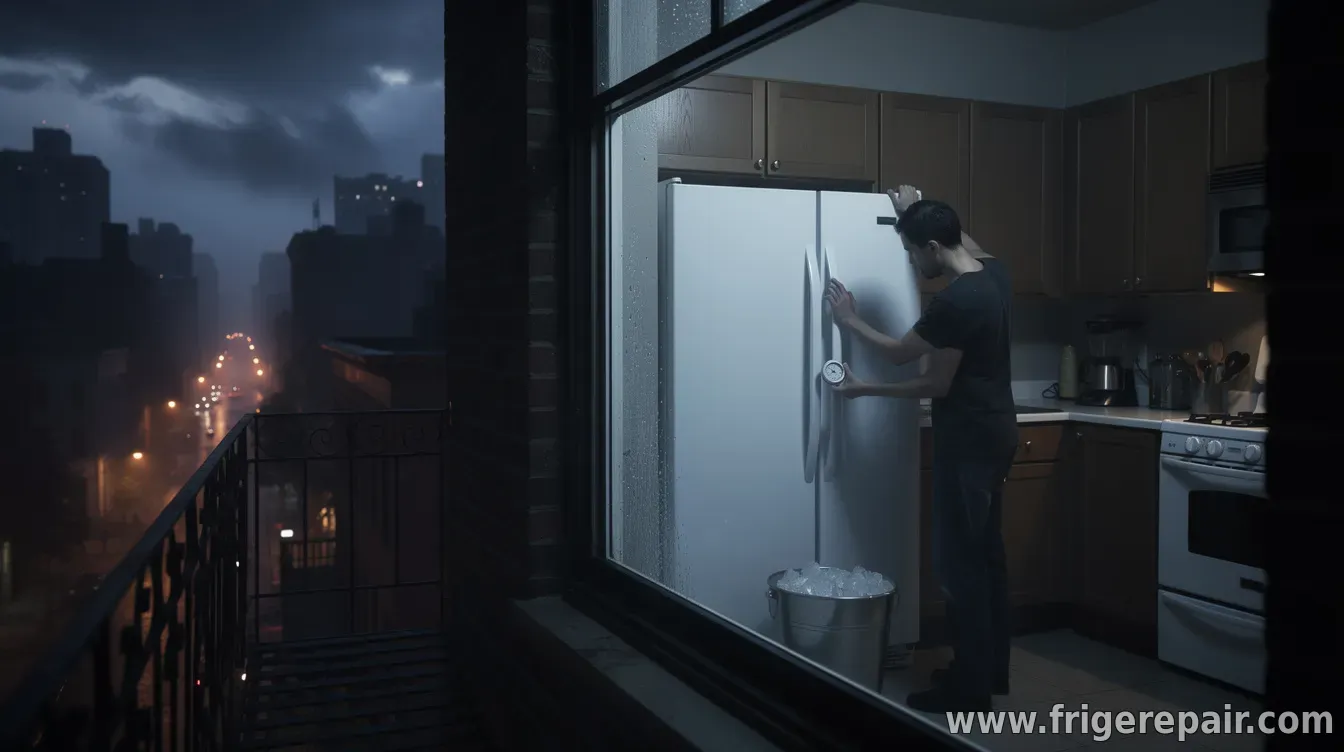 New York City summers can bring intense heat—and with them, a higher risk of power interruptions. When your refrigerator loses electricity, the biggest threat to food isn’t spoilage overnight, it’s the gradual rise in temperature that can turn unsafe within hours. With a few practical steps, households can reduce risk and minimize waste. Start with preparation before the next heat wave. Make sure your fridge temperature is set at or below 40°F (4°C) and your freezer at 0°F (-18°C). Check refrigerator vents aren’t blocked, keep an appliance thermometer in the main compartment, and review how to locate your circuit breaker and emergency contacts. During severe weather, consider moving frequently used items to the front to limit how often the door is opened. During a blackout, keep the door closed. Every time you open the refrigerator or freezer, warm air enters and cold escapes. For the refrigerator, plan to keep doors shut as much as possible until power returns. For the freezer, minimize opening entirely—frozen food stays colder longer than refrigerated food, but it still depends on how full the unit is. Use ice and dry cold strategically. If you have access to coolers, bagged ice, or freezer packs, transfer items that are most likely to spoil—such as dairy, ready-to-eat meals, and produce—into a well-insulated cooler. If you have a supply of ice, place it in the cooler and monitor how quickly it melts. For some households, keeping extra frozen water bottles can help maintain temperature in both a freezer and cooler. Know how long your food may stay safe. Safety varies by starting temperature, how full the unit is, and ambient heat. As a general guide, a fully loaded freezer can keep its temperature for about a day (24 hours) if doors stay closed, while a half-full freezer may last closer to 12 hours. Refrigerated foods are more time-sensitive in hot conditions. If you aren’t sure, follow local guidance and discard items that have been kept above safe temperatures for too long. Quick prioritization when power returnsOnce electricity is restored, don’t assume everything is fine. Let the refrigerator and freezer stabilize before reorganizing or loading new items. If the fridge has warmed significantly, discard foods that show signs of spoilage or have been at unsafe temperatures. For frozen items, check whether they are still firm with ice crystals—partial thawing can require closer judgment. In NYC heat, consider “when in doubt, throw it out.” Heat accelerates bacterial growth, and odors alone aren’t always reliable. If you can’t determine how long the outage lasted or your appliances stayed cold enough, prioritize safety over saving money. The cost of replacing a few items is often less than the risk of foodborne illness. After the outage: reduce future stress and wasteAs temperatures rise again, take stock of what was lost and why—whether it was door openings, insufficient insulation, or delays in monitoring temperatures. If your household uses a generator, confirm safe use and placement of equipment. Consider adding a battery-powered thermometer to track temperature during future outages and keep a simple checklist for quick decision-making. Heat waves and blackouts are disruptive, but preparation and careful handling can protect your food and your family. If you want, tell me the size/type of your refrigerator (and whether it’s a single unit or separate fridge/freezer), and I can tailor a short blackout plan for your setup. | |
|
| |
Next & Previous posts
Related articles: