8:18 AM Key Signs Your Refrigerator Needs Repair | |
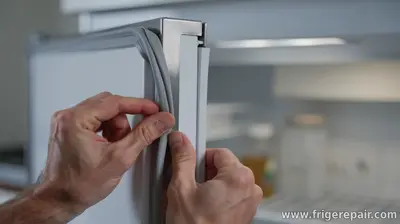
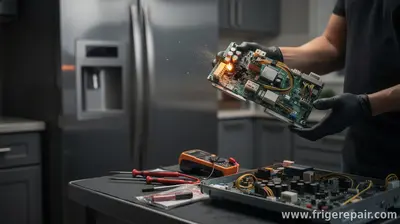
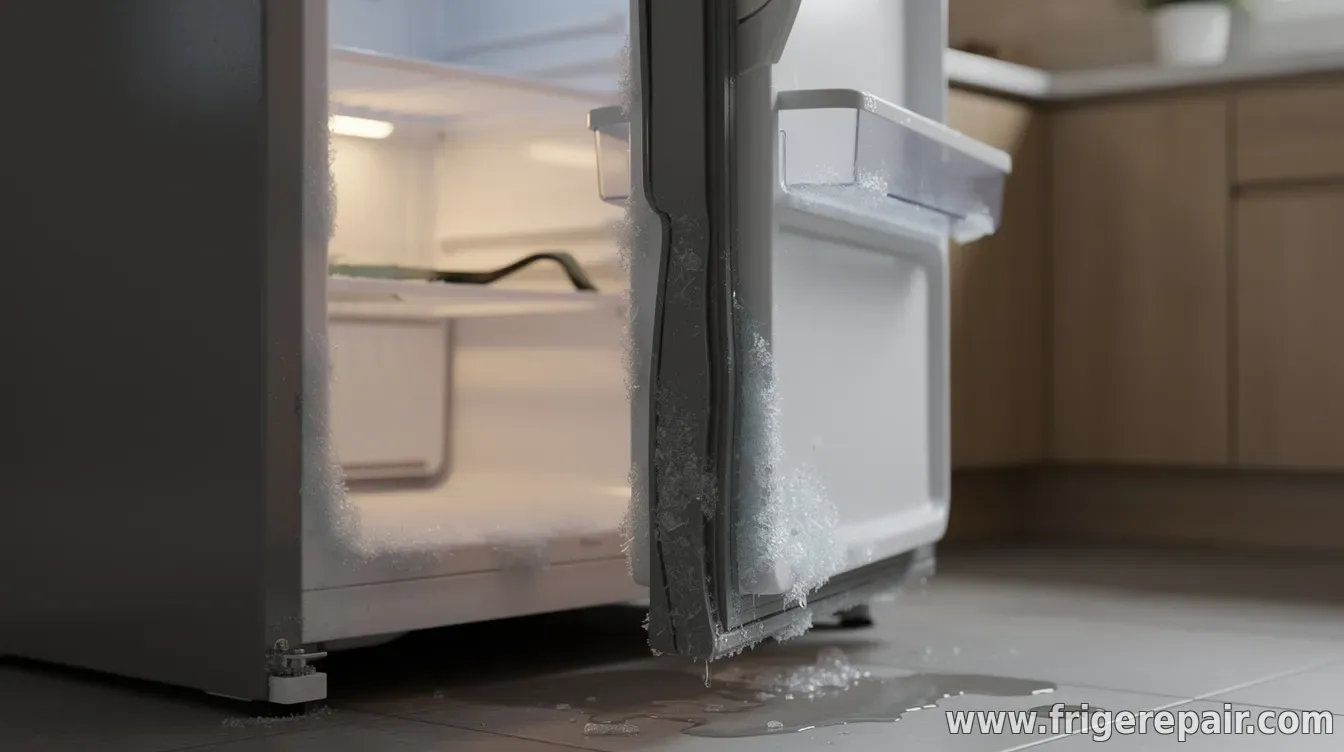 If your refrigerator suddenly seems less reliable, the problem is often more than “just getting old.” Small changes in cooling, noise, or odor can point to issues with the compressor, thermostat, condenser coils, or a failing door seal. Catching these early can help prevent food loss and expensive breakdowns. Here are the key signs your refrigerator needs repair, and what they typically suggest. 1) Temperature problems (too warm, too cold, or inconsistent)A clear sign of trouble is inconsistent or incorrect temperatures—food spoils faster than usual, ice melts quickly, or the unit runs constantly. This can happen when the thermostat or temperature sensor is failing, or when airflow is restricted inside the fridge. 2) Excessive noise or new soundsRefrigerators do make normal sounds (like fans and occasional compressor cycling). But loud buzzing, grinding, rattling, or clicking that wasn’t there before can indicate a failing fan motor, compressor issues, or something obstructing the fan/ice mechanism. Pay attention if the noise is paired with temperature problems. 3) Ice buildup or water pooling Excess ice in the freezer or water leaking inside (or under the fridge) often points to problems with defrosting components, a clogged drain, or a water line issue for models with a dispenser. Over time, moisture can damage shelves, encourage mold, and worsen cooling performance. 4) Condensation on food, walls, or floorsLight condensation can be normal, but heavy moisture—especially on the inside back wall, under drawers, or around the door area—can signal an airflow problem or a worn door gasket. If the seals don’t close properly, warm air leaks in and the unit struggles to maintain temperature. 5) The refrigerator runs constantly If the compressor never seems to stop, it can be working harder due to dirty condenser coils, poor ventilation, or a refrigerant/thermostat problem. Heat buildup can also make the fridge feel unusually warm around the exterior vents. 6) Strange odors or unusual taste Persistent foul smells—especially when cleaning hasn’t helped—can indicate spoiled food, a leak, or a failing odor filtration system (in some models). While odor can sometimes be resolved with thorough cleaning, recurring smells can be a symptom of underlying issues. 7) Frost in the wrong places or frequent defrost cycles Unexpected frost patterns, including heavy frost on vents or walls, may indicate a defrost system malfunction. Signs include the unit alternating between periods of freezing and warmer-than-expected performance, or visible ice where it normally wouldn’t form. Taking action early is the best way to reduce downtime and keep food safe. If you notice one or more of these warning signs—especially temperature inconsistency, leaks, or persistent running—consider scheduling a repair. A technician can diagnose the root cause rather than guessing. For quick triage before calling for service: verify the fridge is level, check the door gasket for gaps or wear, ensure vents aren’t blocked by food, and confirm the thermostat settings. If issues persist, professional troubleshooting is the next step. | |
|
| |
Next & Previous posts
Related articles: