
2:26 PM Why Your Compressor Keeps Cycling or Runs Nonstop—and Fixes | |
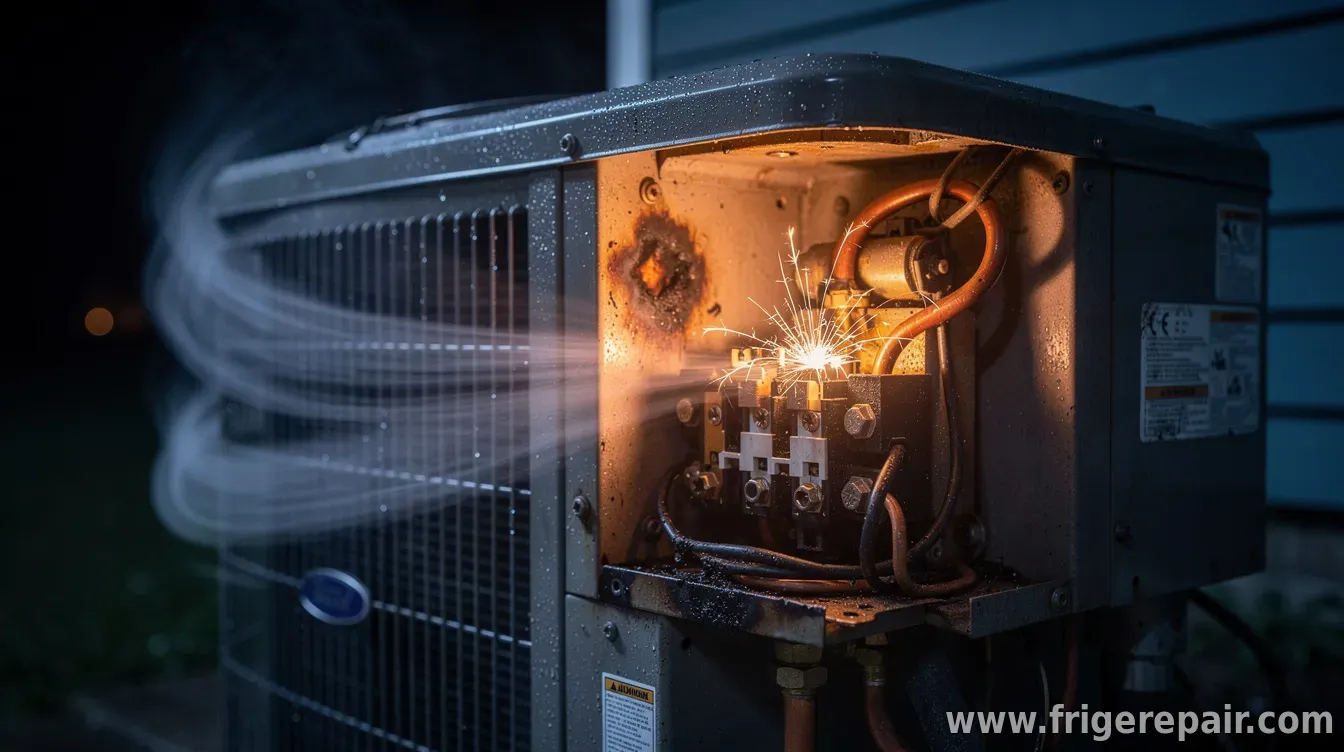 If your air conditioner or heat pump compressor cycles on and off too often—or runs continuously without reaching the temperature you set—it’s a strong sign the system is out of balance. While the exact cause depends on the model, these symptoms typically point to airflow problems, thermostat/control issues, or refrigerant/pressure faults. In most cases, a properly operating compressor should run long enough to stabilize temperatures, then shut off as conditions are met. Frequent cycling can reduce efficiency and increase wear on electrical components, while continuous running often means the system can’t achieve the thermostat target or is being told to keep running. Short cycling: common causesWhen the compressor starts and stops repeatedly, the system may be detecting conditions that trigger protection. One of the most frequent culprits is restricted airflow: a clogged air filter, dirty indoor coil, blocked return vents, or a failing blower motor can cause rapid temperature/pressure changes that force the compressor to cut out. Electrical or control factors can also drive short cycling. A thermostat that’s miscalibrated or experiencing wiring issues, a faulty temperature sensor, or a control board problem may falsely “read” that cooling/heating is complete. Over- or under-voltage issues can further contribute to abnormal cycling behavior. Constant running: common causesIf the compressor runs without stopping, the system often can’t reach the setpoint—either because airflow is insufficient, the outdoor unit is struggling (such as from condenser coil buildup), or the system is not moving the right amount of refrigerant. Low refrigerant charge, a refrigerant leak, or a problem with the metering device can prevent the system from delivering the needed cooling or heating capacity. Similarly, a stuck contactor, relay, or control logic issue can keep the compressor energized even when the thermostat indicates it should shut down. Safety protections that change compressor behaviorModern systems use protective delays and pressure safeguards to prevent damage. For example, short cycling may be triggered by pressure conditions that indicate the system is not operating within safe ranges. Continuous operation can also occur when a control is bypassing normal shutoff logic or when the temperature sensor can’t properly report room conditions. Because refrigerant-related faults can pose risks and require licensed service, homeowners should focus on safe, non-invasive checks first—then escalate to a professional if the symptom persists. What you can check before calling for serviceStart with the basics that commonly cause both short cycling and nonstop running:
If the compressor behavior doesn’t improve after these checks, it’s usually time for diagnostic testing—such as measuring temperatures, checking voltage, inspecting sensors, and verifying refrigerant/pressure performance. Next step: If the compressor cycles excessively (especially within minutes) or runs nonstop for extended periods, contact an HVAC technician. Ask them to check for airflow restriction, thermostat/control accuracy, sensor readings, electrical supply issues, and system pressure/refrigerant performance to determine the true root cause. | |
|
| |
Next & Previous posts