
8:26 AM Refrigerator Not Cooling, Freezer Works: Causes & Fixes | |
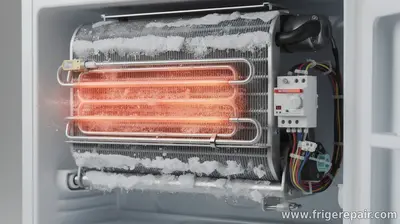
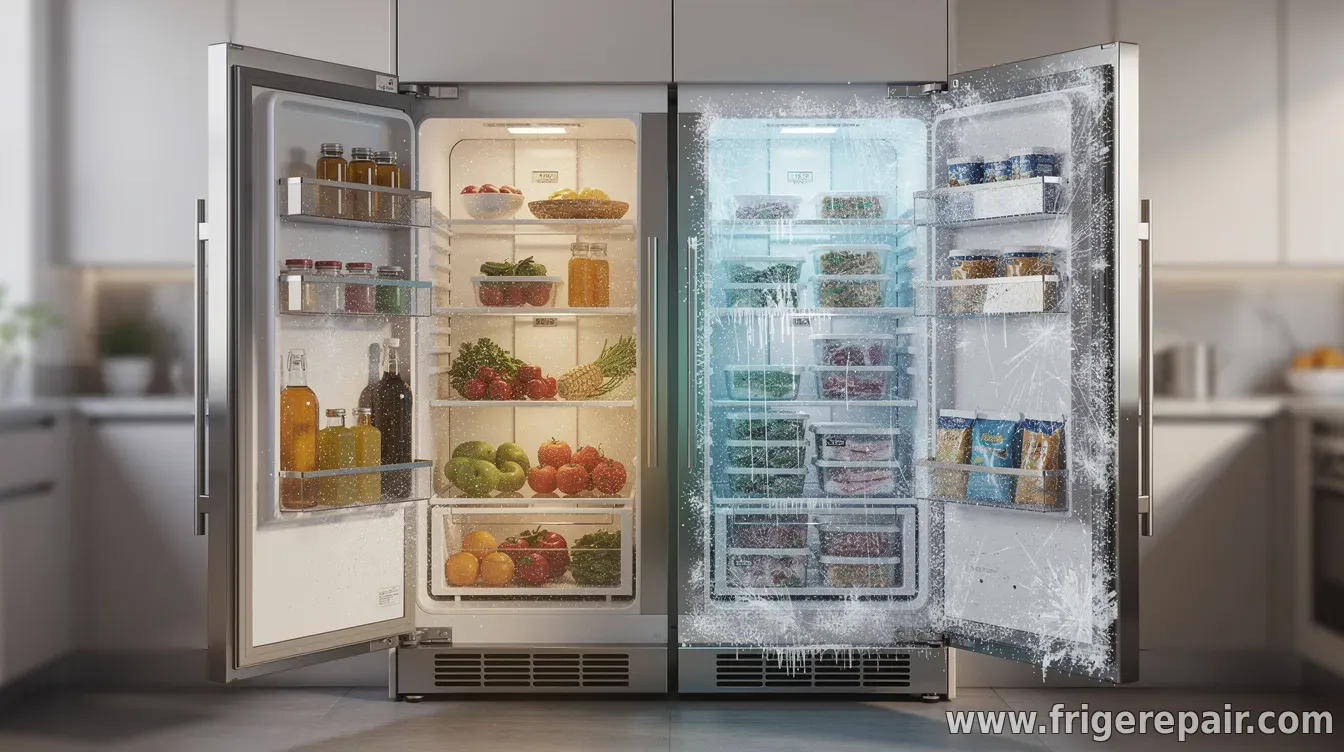 A refrigerator that won’t cool while the freezer works typically points to a problem in the way cold air moves from the freezer compartment into the refrigerator section. Because most fridges rely on shared components to regulate temperature, a failure in one key part can leave the fridge warm even when the freezer seems normal. First, confirm the symptom: check that the refrigerator temperature display (if present) is set correctly, and verify with a simple thermometer that the refrigerator compartment is actually warming. If the freezer remains consistently cold, proceed to airflow and control checks. 1) The air damper may be stuck or failedMany refrigerators use an air damper (a door inside the ductwork) to control how much cold air reaches the fridge. If the damper won’t open—or gets stuck closed—the freezer can run while the refrigerator section stays warm. Look for signs of mechanical failure (unusual resistance or no movement). If your model has a visible damper area, verify whether it opens when the fridge calls for cooling. Damper problems often require replacement. 2) A clogged or frozen air duct can block airflowEven if the damper works, airflow can be restricted by ice buildup in the air duct. This often happens when defrosting is inadequate. With the freezer colder than expected but the fridge warm, a partial blockage is a common culprit. If you suspect ice, unplug the unit and allow it to fully thaw before checking the duct area. Persistent ice buildup usually indicates a defrost issue that should be addressed. 3) Defrost system failure may be causing ice buildupRefrigerators use a defrost heater, thermostat, and control to melt frost on evaporator coils. When the defrost system fails, coils can accumulate ice, reducing airflow to the refrigerator compartment. Signs include heavy frost on internal coils or uneven cooling. Repairing or replacing failing defrost components is often necessary to restore proper temperature flow. 4) Fan issues (evaporator fan or circulation fan)Cold air is moved by fans. If the evaporator fan (in the freezer area) isn’t running properly, the refrigerator compartment won’t receive enough chilled air. In some models, there’s also a circulation fan dedicated to distributing air inside the fridge. Listen for fan operation during cooling cycles. If fans don’t run, check for obstructions, damaged fan blades, or electrical/control faults. 5) Temperature control or electronic control board problems Quick safety note: If you plan to inspect components behind panels or around electrical parts, unplug the refrigerator first. If you find evidence of major electrical failure or are unsure about testing, consider a qualified appliance technician. When to call a professional
By focusing on airflow and defrost-related causes first—damper movement, duct ice, and fan operation—you can often narrow down the fault quickly. Once the correct component is fixed, the refrigerator section should begin cooling normally while the freezer continues to function as expected. | |
|
| |
Next & Previous posts
Related articles:
![]()