
9:42 AM Best Temperature Settings for Your Fridge and Freezer | |
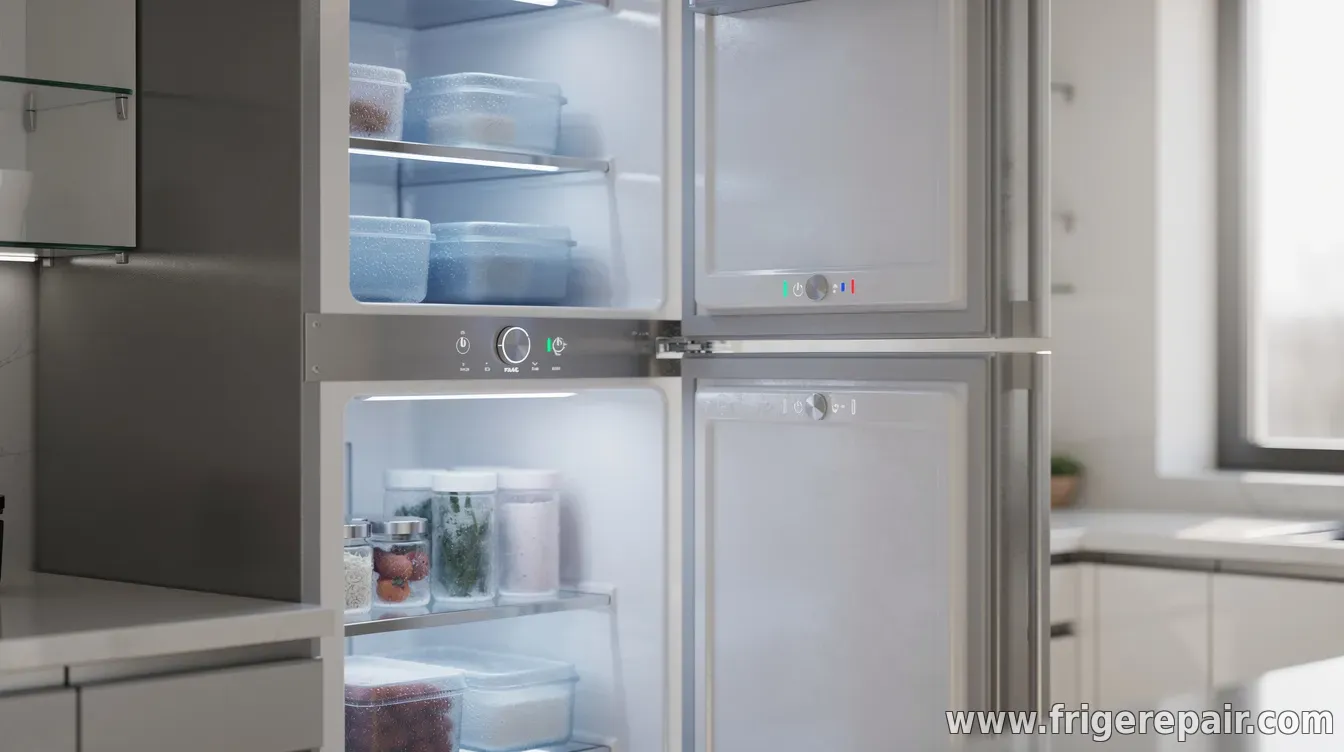 Getting the temperature right is one of the simplest ways to improve food safety, reduce spoilage, and keep appliances running efficiently. While many fridges and freezers have numbered dials, the most reliable approach is to use a thermometer and aim for widely recommended temperature ranges. For most households, the target settings are 3–4°C (37–40°F) for the refrigerator and -18°C (0°F) for the freezer. These ranges slow bacterial growth in fresh foods and keep frozen items safely preserved. Refrigerator: the safest zone for fresh foodSet your refrigerator to 3–4°C (37–40°F). If it’s colder than needed, some foods—especially produce and deli items—can freeze or become watery. If it’s warmer, perishable goods spoil faster, and cold spots can form when the fridge is overfilled or door openings are frequent. A practical check is to place a fridge thermometer in the middle of the main compartment, not directly against a wall or near vents. After 24 hours, adjust the dial one step at a time if the reading is outside the target range. Freezer: consistent freezing matters more than “extra cold”For the freezer, aim for -18°C (0°F). Temperatures above that can lead to partial thawing during heavy use or long door-open periods, which shortens the shelf life of frozen foods. Freezers typically recover quickly, but the unit needs stable airflow. Avoid blocking vents with large, tightly packed loads. If you frequently add warm items, consider setting the freezer slightly colder temporarily (as allowed by the manufacturer) and then returning to the standard once temperatures stabilize. Adjustments for real-world conditionsTemperature needs can vary with household conditions. In a hot climate or during summer months, you may need a small adjustment to maintain the same internal readings. Similarly, if you open the door often, store lots of groceries, or keep the fridge near a heat source, the appliance may run longer and require fine-tuning. When adjusting settings, make changes gradually and wait for stabilization—often about a day. If the refrigerator frequently cycles too long or seems unable to hold temperature, also check door seals for leaks and ensure the appliance isn’t packed so tightly that cold air can’t circulate. For best results, confirm the actual temperature with a thermometer rather than relying solely on dial numbers, since markings differ between models. With the refrigerator at 3–4°C (37–40°F) and the freezer at -18°C (0°F), most households can achieve a reliable balance of safety, quality, and energy efficiency. | |
|
| |
Next & Previous posts
Related articles: