
3:21 AM Inverter vs Standard: Repair Differences |
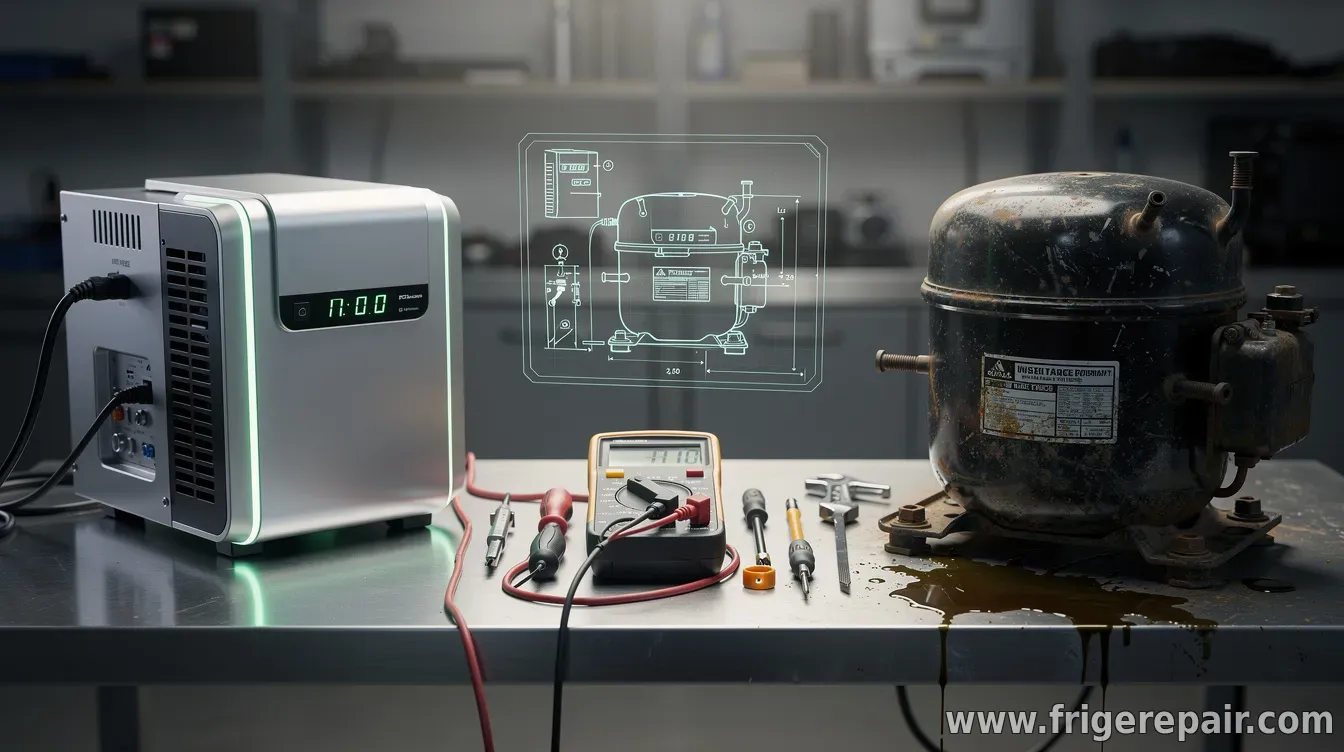 When diagnosing air conditioning or heat pump systems, technicians often encounter two main types of compressors: inverter and standard (fixed-speed). The choice between them influences not only performance and energy efficiency, but also repair behavior and parts availability. Understanding these differences helps homeowners and technicians anticipate maintenance needs and budgeting for service. Overview Standard compressors operate at a single fixed speed and cycle on and off to meet cooling or heating demands. Inverter compressors adjust their speed continuously to match the required output. This modulation reduces energy use and variety of wear patterns, but it also introduces different failure modes and repair considerations. Common repair considerations 1) Electrical components: Inverter units rely on variable-frequency drives (VFDs) or inverter boards. These components control motor speed and are more complex than those in standard systems. If a fault occurs in the drive, symptoms can include erratic compressor operation, unexpected shutdowns, or fault codes that reference the inverter rather than the motor. 2) Compressor wear patterns: Because inverter compressors ramp up and down rather than switching on and off completely, they generally experience different wear patterns on bearings and seals. Over time, this can affect lubrication needs and may change the expected service life compared with fixed-speed units. 3) Refrigerant charging and system compatibility: Inverter systems often use specific refrigerant charge ranges and may require precise refrigerant management during service. Incorrect charging or non-compatible components can trigger performance issues or warning codes. 4) Diagnostics and tools: Repairs on inverter-driven systems typically require specialized diagnostic tools to read inverter fault codes and verify inverter performance. Technicians may need manufacturer-specific software or adapters to access the drive diagnostics. 5) Noise and vibration: Inverter systems can exhibit different vibration profiles due to variable speeds. While they are often quieter at part loads, certain faults in the drive or motor can manifest as atypical vibrations that require targeted inspection. Practical repair tips • Always consult the system’s service manual for the correct inverter drive testing procedures and safety precautions. • Use a calibrated refrigerant charging scale and follow the manufacturer’s specification for refrigerant type and charge. • If you notice frequent cycling, abnormal noises, or fault codes pointing to the drive, prioritize checking the inverter board and connections before recharging or replacing the compressor. • For any repair involving high-voltage drives, ensure the unit is de-energized and that proper lockout/tagout procedures are followed. • Consider the total cost of ownership: inverter systems often have higher upfront repair costs but lower energy costs over time; a faulty drive can be more expensive to replace than a standard motor if the compressor is still functional with a simple fix. Conclusion: Both inverter and standard compressors have distinct repair profiles. A well-informed technician will diagnose based on fault codes, performance symptoms, and the specific system design to determine whether a repair, drive replacement, or compressor swap is most economical. |
|
|
Next & Previous posts
Related articles:

![]()
