
8:15 AM Home Washing Machine Repair: Simple DIY Guide | |
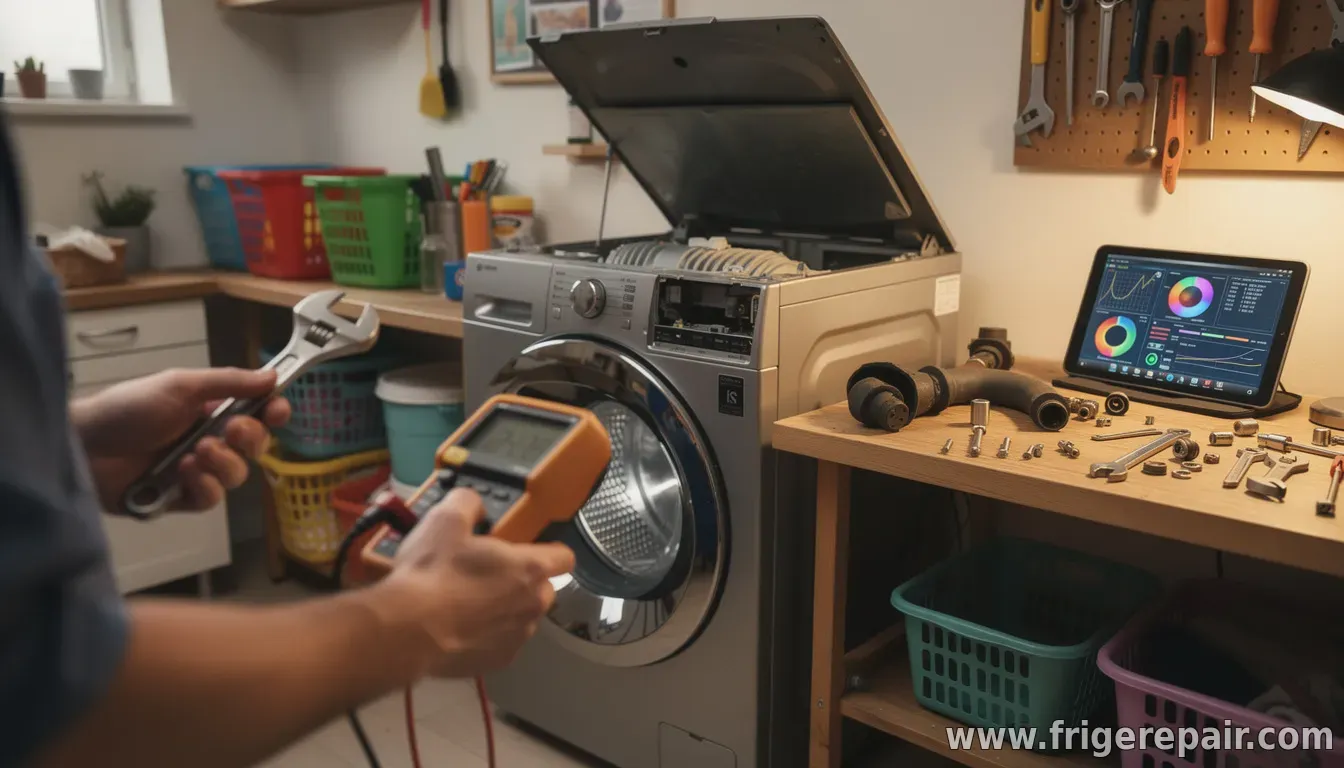 Washing machines are reliable workhorses, but when they break, the posts on your laundry routine can pile up quickly. Before starting any repair, unplug the machine and disconnect its water supply to avoid leaks or electric shocks. This article focuses on safe, do-it-yourself approaches for common, fixable problems. First, identify the symptom. Common issues include failure to fill, drains that don’t work, excessive vibration, or clothes not spinning dry. A few quick checks can save time: verify the door is properly closed, inspect the hoses for kinks or blockages, and examine the lint filter or pump for obstructions. These small steps often resolve everyday malfunctions. Filling problems often stem from a clogged inlet valve screen or a malfunctioning water inlet valve. If you hear the machine trying to fill but water isn’t entering, turn off the supply, remove the filter from the valve screen, and clean any debris. If the valve remains stubborn, replacing it is typically straightforward and inexpensive for most models. Draining and spinning issues frequently relate to blocked pumps or clogged drain hoses. Clear visible debris from the pump filter, check the drain hose for kinks, and ensure the drain path is free of obstructions. If the pump hums but won’t run, testing the pump motor with a multimeter is possible for experienced DIYers, but replacement is often simpler and safer when warranted. Uneven vibration or excessive movement can indicate an unbalanced load, worn shock absorbers, or loose feet. Stop the cycle, redistribute the laundry evenly, and check the machine’s feet to ensure they are level and firmly planted. If vibration persists on a level floor, consider anti-vibration pads or consulting a technician for potential suspension or chassis issues. Safety first: always unplug the machine and turn off water supplies before any inspection. Use the user manual for model-specific guidance, and avoid disassembly beyond what you can safely handle. When in doubt, especially with electrical components or refrigerant-type systems, contact a licensed technician to prevent personal injury or property damage. | |
|
| |
Next & Previous posts
Related articles:
![]()