3:22 AM Ice Maker Not Working: Common Causes and Quick Fixes | |
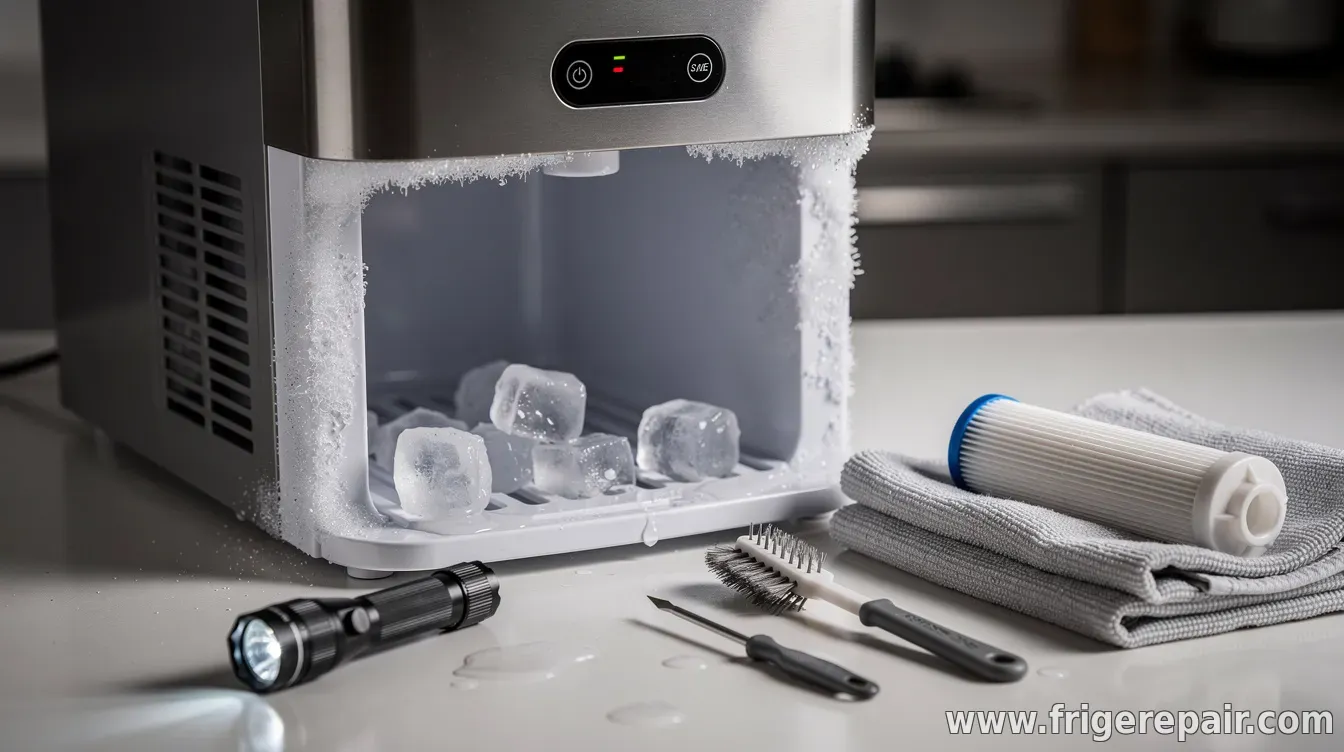 An ice maker that suddenly stops working is a common household problem, and in many cases the fix is straightforward. Before you book service, check the basics: power, water supply, temperature, and clear any simple blockages that prevent water from reaching the ice-making system. 1) Check power and settings. Start with the most basic steps. Confirm the appliance is powered on and that the ice maker is switched to the correct mode (often “Ice On” or “On”). If your unit has an ice maker reset button, try a short reset according to the manufacturer’s instructions. For troubleshooting, unplugging the refrigerator for a few minutes can sometimes clear an internal fault that stops the ice cycle. 2) Verify the water supply. If the ice maker isn’t getting water, it can’t produce ice. Inspect the water line for kinks, make sure the shutoff valve is fully open, and listen for water flow when the ice maker should be running. If you recently changed filters or moved the refrigerator, the line may not be seated correctly or may have trapped air—letting water run briefly can help purge it. 3) Look for a clogged filter or blocked inlet. A clogged water filter or ice chute blockage can halt ice production. Replace the filter if it’s due for service, and check whether ice delivery is obstructed by an ice buildup in the bin or chute. Clearing heavy ice buildup (carefully, following safety guidance) can restore normal operation. 4) Confirm the freezer temperature. Ice makers rely on consistent low temperatures to freeze water. If the freezer is too warm—often due to frequent door openings, overpacked shelves, or a faulty thermostat—the ice maker may not complete cycles. Use a fridge/freezer thermometer to verify temperature, and give the system time to stabilize after adjustments. 5) Inspect for ice formation or fan issues. In some models, partial freezing, a failed component, or airflow problems can stop normal ice making. If you notice frost patterns that suggest a defrost or airflow issue, or if the ice maker area seems abnormally iced over, the problem may go beyond basic troubleshooting. 6) Know when it’s time for service. If you’ve confirmed power, water supply, filter status, and freezer temperature—and the ice maker still produces no ice after allowing a full cycle—there may be a failed ice maker module, water valve issue, or sensor problem. Persistent failures, electrical error codes, or repeated thaw/frost patterns are good reasons to contact a qualified technician. Quick takeaway: most ice maker failures trace back to power settings, lack of water, a clogged filter, temperature drift, or an ice blockage. Try the simplest checks first, then move to filter and temperature verification before escalating to service. | |
|
| |
Next & Previous posts
Related articles: