3:18 AM Buzzing Noise From Your Refrigerator: Common Causes | |
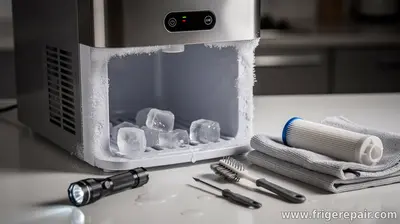
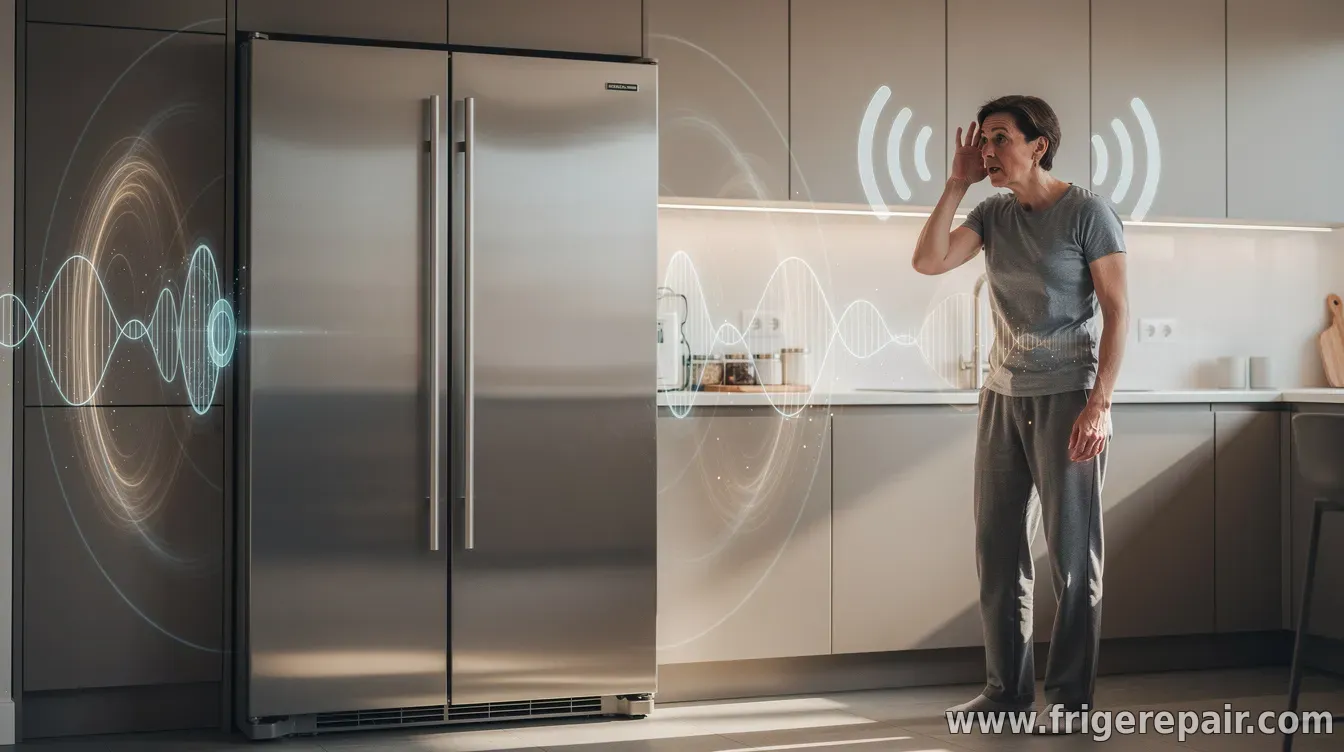 If your refrigerator has started making a buzzing noise, it can be unsettling—but the cause is usually one of a few common mechanical or electrical issues. The key is to narrow down when the buzzing happens (only when cooling kicks in, continuously, or after the door is closed) and where you’re hearing it from. In many homes, a short, periodic buzz is normal when the refrigerator cycles on. However, a persistent buzz, a change in sound volume, or buzzing accompanied by poor cooling can point to a problem that needs attention. 1) Condenser fan or evaporator fan issuesMany modern refrigerators use internal fans to circulate air. If the buzzing is coming from the back of the unit (often near the bottom) or from inside the compartment, the condenser fan or evaporator fan may be struggling—sometimes due to dust buildup, a loose fan blade, or a failing motor. Cleaning accessible vents and ensuring the refrigerator is level can reduce fan noise, but repeated buzzing may require service. 2) Compressor starting relay or start deviceA buzz that occurs as the compressor turns on can be linked to the start relay or compressor start device. These parts can wear out over time, leading to buzzing and, in some cases, difficulties maintaining temperature. If the refrigerator repeatedly tries (and struggles) to start, it’s a strong sign to get it checked. 3) Compressor vibration or contact with componentsSometimes the compressor itself isn’t failing—the noise is caused by vibration. A buzz can occur if components are loose, if the unit is not level, or if something (like a wire or panel) is lightly contacting the cabinet. Carefully checking that panels are properly seated and that the refrigerator sits steadily can help, though don’t disassemble electrical covers unless you’re trained. 4) Ice maker or water system buzzingIf the buzzing happens around ice-making cycles, near the ice maker, or after dispensing water/ice, the cause may be the ice maker motor, a valve, or a small mechanism moving to fill and harvest ice. These sounds are sometimes normal during operation, but a constant buzz or buzzing with no ice production can indicate a mechanical or water-flow issue. To help pinpoint the cause, listen for timing and location: Does the buzzing start when the compressor kicks in? Does it sound like it’s coming from the back grille area? Is it inside the fridge or near the freezer? Also note whether cooling performance has changed—warmer food or frost buildup often accompanies failing components. When to stop troubleshooting and call a professional: If buzzing continues for long periods, the refrigerator won’t cool properly, you smell burning, you see unusual sparks or error indicators, or the unit repeatedly clicks/buzzes without running normally, it’s best to contact a qualified technician. Refrigerators contain high-voltage components, and a safe diagnosis can prevent further damage. Quick safety checks you can do: Make sure the refrigerator is level, keep vents clear of dust, and confirm the door seals close tightly. If the noise is new after cleaning or moving the appliance, verify that nothing is accidentally touching the fan blades or panels. By identifying whether the buzzing is tied to fan operation, the compressor start cycle, or the ice maker, you can narrow the likely culprit and decide whether simple maintenance is enough—or whether service is needed to restore quiet, reliable cooling. | |
|
| |
Next & Previous posts
Related articles:

![]()