
2:47 AM Signs Your Dryer Belt Needs Replacement | |
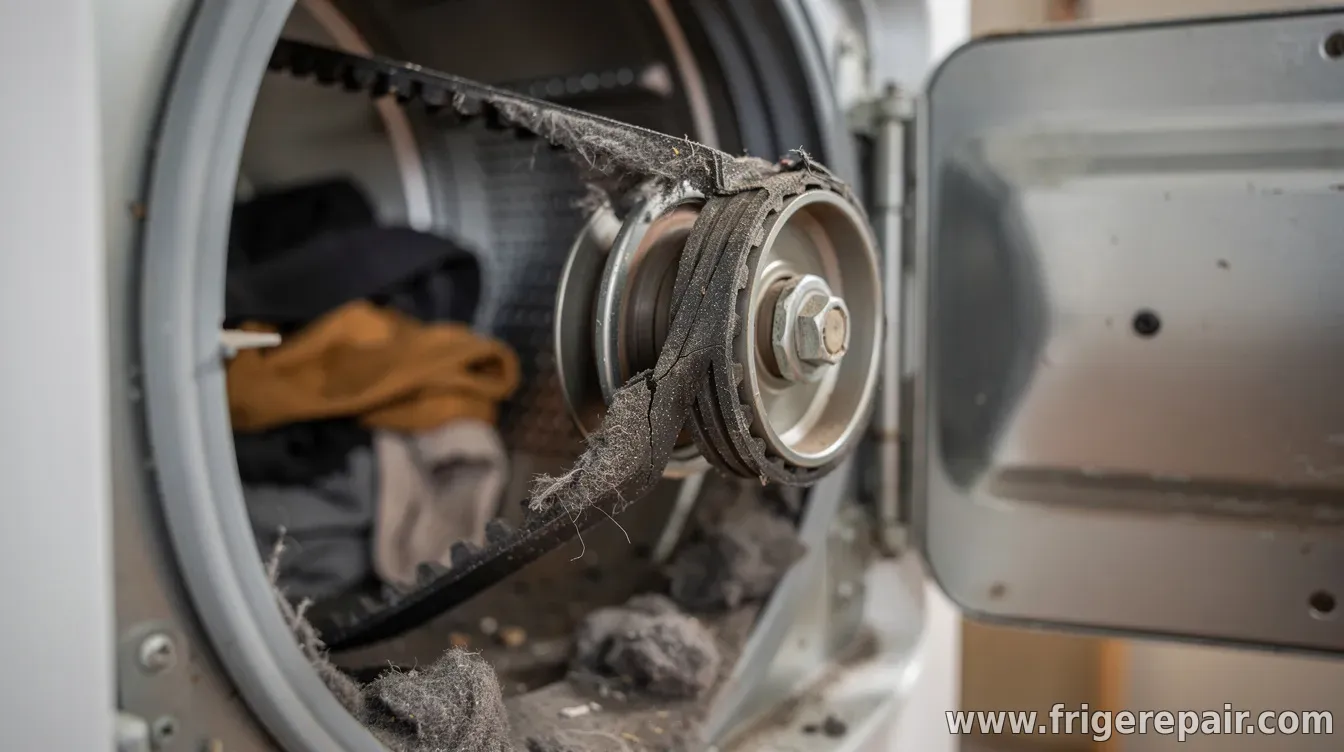 Dryer belts are designed to keep the drum turning smoothly. Over time, though, wear and stretching can lead to performance problems that are often easy to spot—especially if you know what symptoms to look for. Below are the most common signs your dryer belt may need replacement, along with practical checks you can do to confirm the issue before paying for service. 1) The drum doesn’t spin (or spins only briefly)One of the clearest indicators of a belt problem is when the drum fails to rotate or only moves for a moment before stopping. While some models won’t run at all if another component is faulty, a belt issue often shows up as inconsistent or absent drum motion. 2) Loud squealing, squeaking, or grinding noisesAs belts wear, they may slip or degrade, creating high-pitched squeals or repeated squeaking during operation. In more severe cases, damaged belt material or contact with nearby parts can produce grinding or rattling sounds. 3) Clothes take longer to dryIf drying times noticeably increase—without any change in load size, temperature setting, or venting—belt slippage could be part of the problem. When the drum rotates inefficiently, tumbling and heat distribution are reduced, leading to wetter clothes at the end of the cycle. 4) Burning smell or signs of overheatingA worn belt can overheat, especially if it has slipped for a while. If you notice a burning odor during or after operation (or you find heat-related discoloration around the drum area), treat it as a warning sign and stop using the dryer until it’s inspected. That said, burning smells can also be caused by other components, including motor issues or lint buildup. This is why the next step—checking the dryer’s internal condition—is important. Quick checks before you replace the beltFor many homeowners, a safe preliminary inspection can help confirm whether a belt is the likely culprit. Always unplug the dryer first.
If you don’t see obvious belt damage but symptoms persist (slow drum rotation, persistent squealing, or long dry times), the problem could be related to the motor, idler pulley, rollers, or venting. Why replacing the belt matters When to call a technician Spotting these warning signs early can save time, reduce repair costs, and keep your dryer running safely and efficiently. | |
|
| |
Next & Previous posts
Related articles:
![]()