
6:46 AM Fridge Buzzing, Humming or Rattling: What Each Sound Means | |
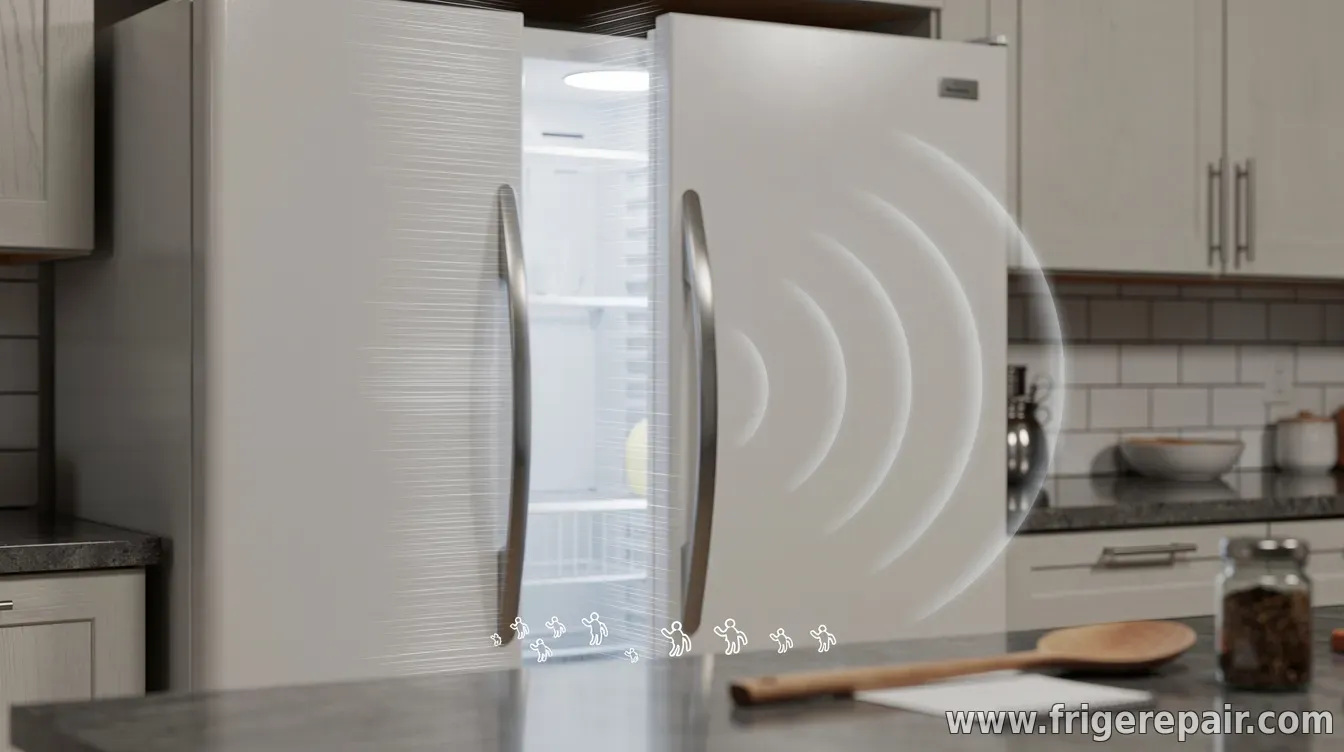 A refrigerator that suddenly starts making new noises is usually trying to tell you something—sometimes normal, sometimes not. While some sounds are expected during cooling cycles, buzzing, humming, and rattling often have distinct causes tied to the compressor, fan, or internal components. Below is a practical guide to what each noise commonly means, plus the quick checks that can help you pinpoint the source before the issue worsens. Buzzing: often linked to electronics, relays, or water flowBuzzing sounds are frequently associated with electrical components. In many refrigerators, a short buzzing or clicking pattern may come from the compressor’s start-up relay or temperature-control switches as the unit cycles on and off. If the buzzing is steady and seems to get worse near ice or water use, it may relate to water inlet valve operation, especially on models with an ice maker. In this case, the sound can appear when the fridge fills the ice bin or when water is being dispensed. Basic checks: ensure the fridge is level (so ice/water parts aren’t under strain), listen near the back panel where the wiring and controls are, and note whether the buzz aligns with ice making or cooling cycles. Humming: usually the compressor or fans doing their jobHumming is one of the most common refrigerator sounds. A low, steady hum is typically the compressor and/or condenser fan running to move heat out of the unit. This is often normal, especially if the hum increases after the fridge has been opened often or the temperature has been adjusted. However, if the humming is unusually loud, persists much longer than usual, or changes tone abruptly, it can indicate issues such as a failing fan motor, restricted airflow, or compressor strain. Dust buildup on condenser coils can also make cooling less efficient and increase noise. Basic checks: clean accessible condenser coils (if your model has them in an open location), make sure vents inside the fridge are not blocked, and confirm the unit has adequate clearance from the wall for airflow. Rattling: often loose parts, contact points, or airflow vibrationRattling is more likely to be mechanical than electrical. Common culprits include loose shelves, items touching the interior walls, or internal panels that aren’t sitting securely. In some cases, rattling can come from ice cubes, a partially frozen ice scoop, or components in the freezer/ice-maker area. Rattling can also happen when something vibrates against the fridge cabinet—such as a fan blade with debris, a small object in a fan housing, or loose mounting hardware. If you hear rattling mainly when the compressor runs, it often points to vibration transfer rather than a purely airflow issue. Basic checks: remove all items from shelves and bins and re-seat them, inspect the ice maker area for obstructions, and gently check whether the noise changes when doors are opened or when specific drawers/shelves are moved. When the sound pattern suggests a bigger problemMost fridge noises can be managed with troubleshooting, but certain patterns deserve faster attention. Get service if you notice grinding, repeated knocking, loud banging, a sudden change that doesn’t improve, or symptoms like warm food, frost buildup where it shouldn’t be, or frequent cycling. Also treat these as red flags: burning smells (electrical), water pooling behind the fridge (possible drainage or line issues), or error codes on the display. Persistent issues involving the compressor, fans, or electrical relays may require professional diagnosis and safer repairs. A quick “listen and locate” method
With these observations, you can often determine whether the noise is normal operation, a simple fix, or an early warning sign. If you can, record a short video or keep a log of when the noise occurs and how it changes—this can help a technician confirm the likely source quickly. | |
|
| |
Next & Previous posts
Related articles:

![]()