3:07 AM Evaporator Fan Not Working: Common Symptoms and Fixes | |
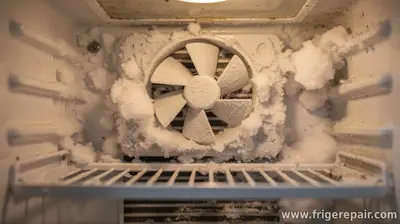
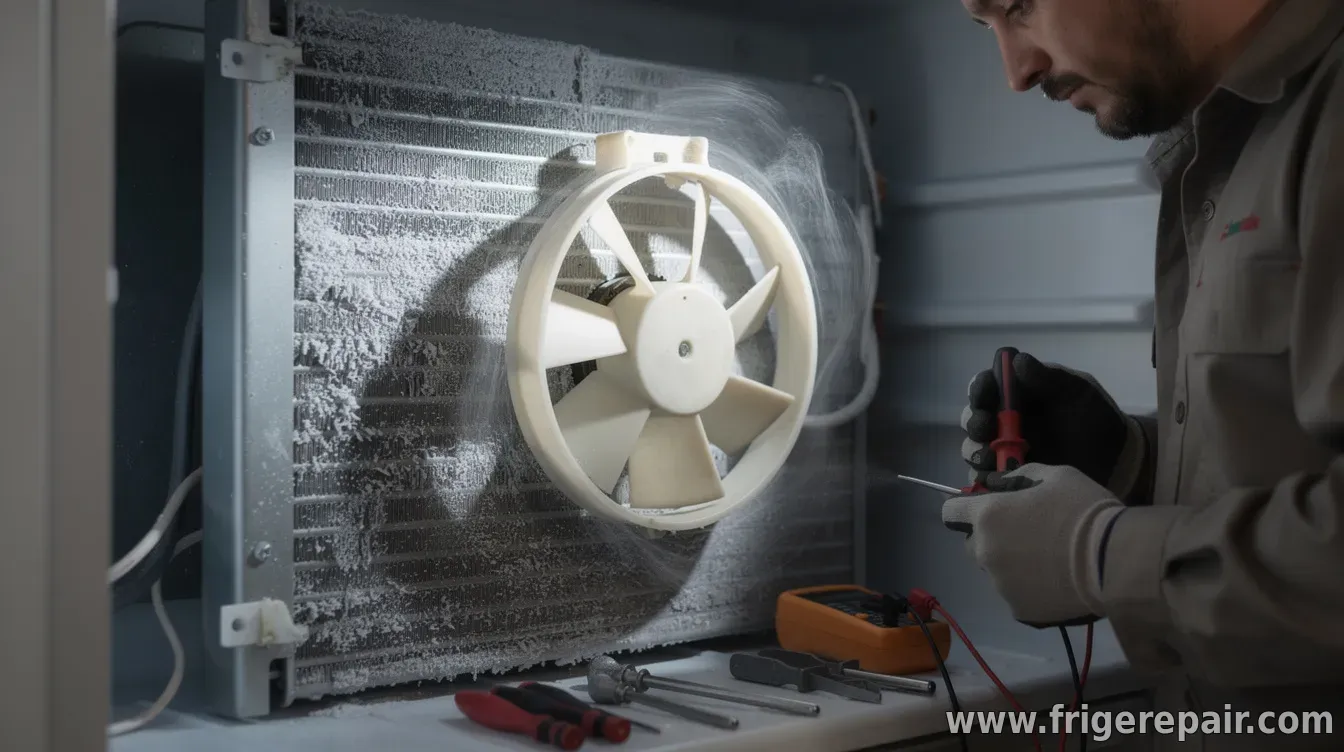 An evaporator fan that won’t run is a common cause of poor cooling in central air conditioners and heat pumps. The evaporator coil needs steady airflow to transfer heat; when the fan fails, the system can fall out of its normal operating range quickly—sometimes leading to ice on the coil or repeatedly cycling on and off. Below are the most frequent symptoms homeowners notice, along with the most likely causes and safe first-step fixes. 1) Symptoms: what “not working” usually looks likeMany problems show up in predictable ways. If you recognize one or more of these, you can narrow down where the failure is occurring:
2) Quick checks that often resolve basic issuesStart with the easiest, safest checks before assuming a motor failure. Turn off power at the breaker or service switch for the indoor unit, then:
After restoring power, observe whether the fan begins when it should. If the fan never runs, continue to the next section. 3) Common causes: fan motor, capacitor, switch, or control boardIf airflow is absent when cooling is called for, the problem is often electrical or control-related: Fan capacitor failure (if equipped): Some evaporator fan motors use a start capacitor. A weak or failed capacitor can prevent the fan from starting, sometimes producing a hum or brief attempt to spin. Replacement typically requires matching the capacitor rating. Motor or bearings seizing: If you hear buzzing or a grinding sound, the motor may be failing mechanically. In many cases, seized bearings or a worn motor will need replacement rather than “repairing” on the spot. Defrost/temperature or limit switch issues (heat pumps): Heat pumps and some control strategies use sensors or switches to regulate defrost and indoor airflow. A faulty sensor can stop the fan from running at the wrong time. Wiring or connector problems: Loose, corroded, or damaged wiring can interrupt power to the fan motor. Checking tight connections (with power off) can be a useful diagnostic step. Control board problems: If the thermostat and power signals are present but the fan output never energizes, the indoor control board may be at fault. 4) Situations where you should stop troubleshootingSome conditions suggest a riskier or more complex issue. Consider pausing further DIY work and contacting a qualified HVAC technician if you observe any of the following:
Also, avoid operating the system while it is heavily iced—this can stress components and reduce system efficiency. 5) Practical next steps: matching the fix to the symptomTo decide what’s most likely, pair the symptom with system behavior:
In many cases, a technician can confirm the exact fault using voltage testing and motor/capacitor diagnostics, then replace the failed part with the correct specifications. Restoring the evaporator fan is essential for safe, efficient cooling. If airflow checks and thermostat settings don’t bring the fan back, the most common next steps are evaluating the capacitor/motor and inspecting wiring or indoor controls—tasks that are best handled by a professional when any uncertainty remains. | |
|
| |
Next & Previous posts
Related articles: