8:08 AM Freezer Frost Buildup: Causes and How to Fix It | |
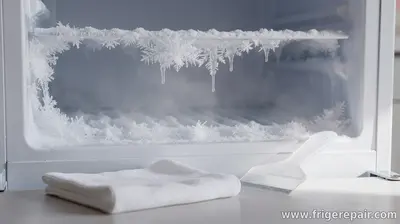
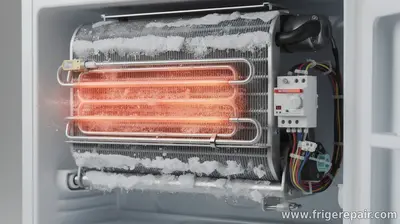
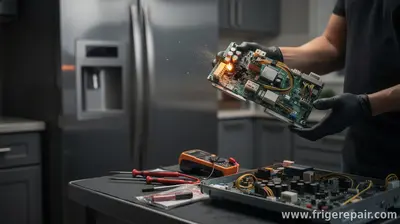
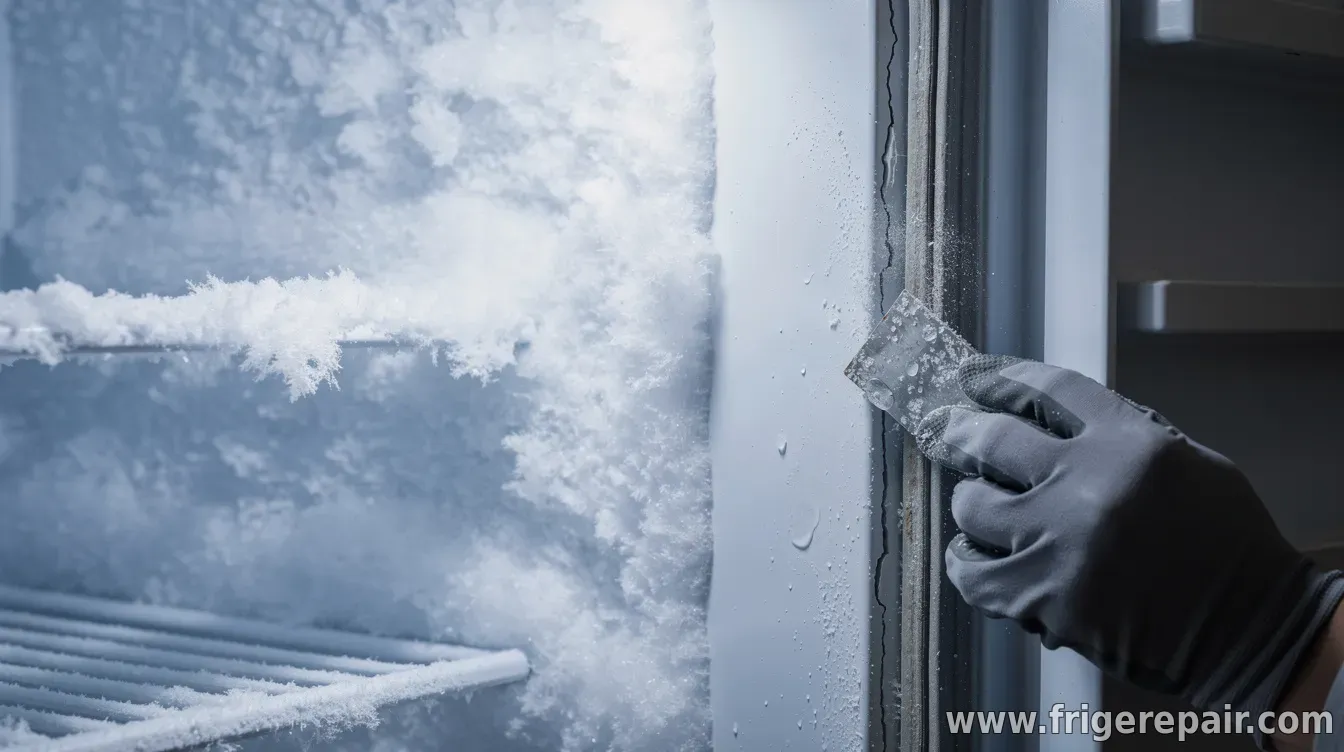 Excess frost or ice buildup inside a freezer can reduce cooling efficiency, waste energy, and eventually affect food storage. While occasional light condensation can happen, repeated frost accumulation typically points to an issue with airflow, the door seal, or the freezer’s defrost system. Below are the most common causes, practical checks you can do at home, and steps to reduce or eliminate the problem—without guesswork. Warm air leaks past the door sealThe most frequent reason for frost buildup is warm, humid air getting inside. When that air contacts cold surfaces, moisture freezes into frost. Check whether the freezer door fully closes and whether the gasket (rubber seal) is dirty, cracked, or warped. A simple test: close the door on a sheet of paper and gently pull. If the paper slides out easily or you feel gaps, the seal may be failing. Clean the gasket with warm soapy water, dry it, and inspect it for tears or hardening. If the seal doesn’t hold, replacing the gasket is often the fastest long-term fix. Blocked vents or improper loadingFreezers rely on proper airflow to keep temperatures stable. If air vents are obstructed by food packages, ice buildup, or improper organization, cold air may not circulate evenly—creating conditions where frost forms in specific areas. Rearrange items so they don’t cover air vents. Ensure the interior fan (if equipped) can move air freely. If you notice frosting concentrated near vents, that pattern often indicates airflow restriction rather than a whole-system failure. Defrost system isn’t working correctlyMost modern freezers manage ice using a defrost heater and control system (which may include a defrost timer, thermostat, or electronic control board). When defrost doesn’t run or doesn’t heat properly, frost gradually accumulates, sometimes around coils or the back panel. Look for signs such as thick ice on internal coils, unusually long running cycles, or temperature swings. If you’ve already checked the door seal and airflow, the defrost system becomes the top suspect. Testing and repairs here may require a technician, especially for electronic control failures. Wrong temperature settings or heavy warm-food loadingSetting the freezer too cold or overloading it with warm items can increase moisture and temperature gradients. A freezer that’s struggling to recover after frequent or large warm loads may produce more condensation and frost. Allow cooked or recently purchased items to cool appropriately before freezing (follow safe food handling guidance), and avoid repeatedly opening the door. If your freezer has a “fast freeze” or “super freeze” mode, use it briefly as instructed, then return to normal settings. What to do now: safe, effective troubleshootingStart with the least invasive steps and move toward more technical diagnostics if needed. Before working inside the freezer, unplug it or switch off power per your appliance manual.
If frost returns quickly (for example, within days) or if you see heavy ice near coils/back panels, you likely have a defrost-related issue. At that point, the most reliable next step is contacting an appliance repair professional with the model number, what you observed, and how rapidly the frost reappears. With targeted checks—especially the door seal and airflow—many freezer frost problems can be resolved. The key is to identify the pattern of buildup and match it to the most probable cause, rather than repeatedly scraping ice without addressing the underlying issue. | |
|
| |
Next & Previous posts
Related articles: