
1:33 PM Why is My Fridge Too Cold and Freezing Food? |
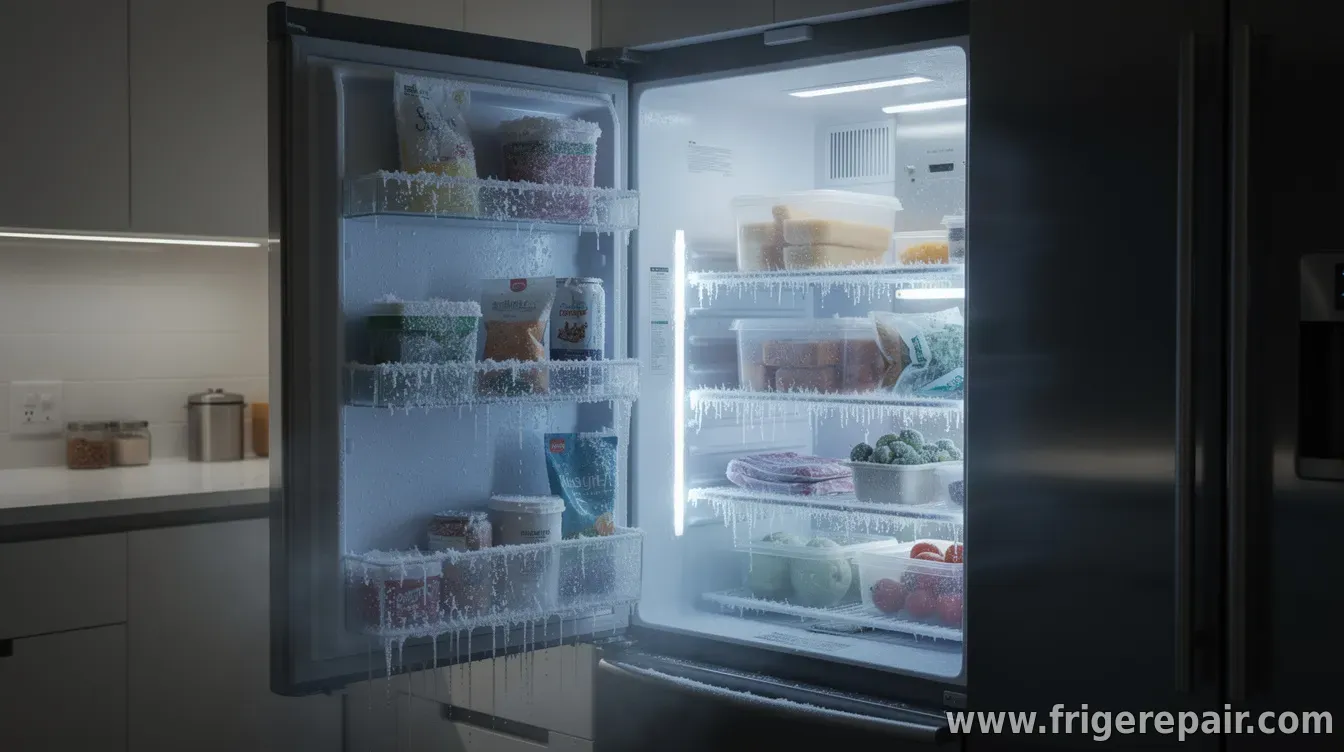 Fridge freezing food is a common kitchen snag that’s usually easy to fix. Start by checking a few basic settings and patterns to identify what changed and what to adjust first. First, verify the temperature setting. Most modern fridges prefer a range between 2°C and 4°C (35°F to 39°F). If your unit is set much lower, even a small turn can dramatically reduce the interior temperature and cause food to freeze. Some models have separate thermostat dials for the fridge and crisper drawers; ensure both are set within recommended ranges. Next, inspect the door seals. Damaged or worn gaskets allow cold air to escape and may cause the fridge to compensate by cooling more aggressively. If the seal looks loose, sticky, or damaged, replace it or have a technician adjust it. A simple test is to close the door on a sheet of paper—the paper should resist a bit and not slide out easily. Ventilation matters too. Blocked vents or crowded shelves can trap cold air, leading to hotspots and freezing zones near the back wall or near the shelves. Keep air paths clear, avoid stuffing items in front of vents, and don’t place items directly against the back panel where cooling coils sit. Check for cold spots caused by faulty components. A malfunctioning thermostat, defrost timer, or temperature sensor can misread the interior and overcool. If you notice ice buildup on the evaporator coils, a malfunctioning defrost cycle could be the culprit. In that case, professional service may be required. Look for frost or ice on the back wall or freezer section that doesn’t belong. Excess ice suggests that the defrost system isn’t removing moisture properly. If frost accumulates quickly after opening the door, it may indicate a secondary issue, such as a door gasket leak or a defective defrost heater. Practical quick fixes include defrosting a frost-covered area if safe to do so, cleaning condenser coils (usually at the back or beneath the unit) to improve efficiency, and ensuring the fridge isn’t placed near heat sources or in direct sunlight. Regular cleaning and maintenance can prevent recurring overcooling. If simple adjustments don’t resolve the issue, it’s wise to consult the manufacturer’s troubleshooting guide or contact a licensed technician. Persistent overcooling can waste energy, raise electricity bills, and compromise food safety if not addressed promptly. |
|
|
Next & Previous posts