3:10 AM Wine Cooler Repair: Common Problems and Fixes | |
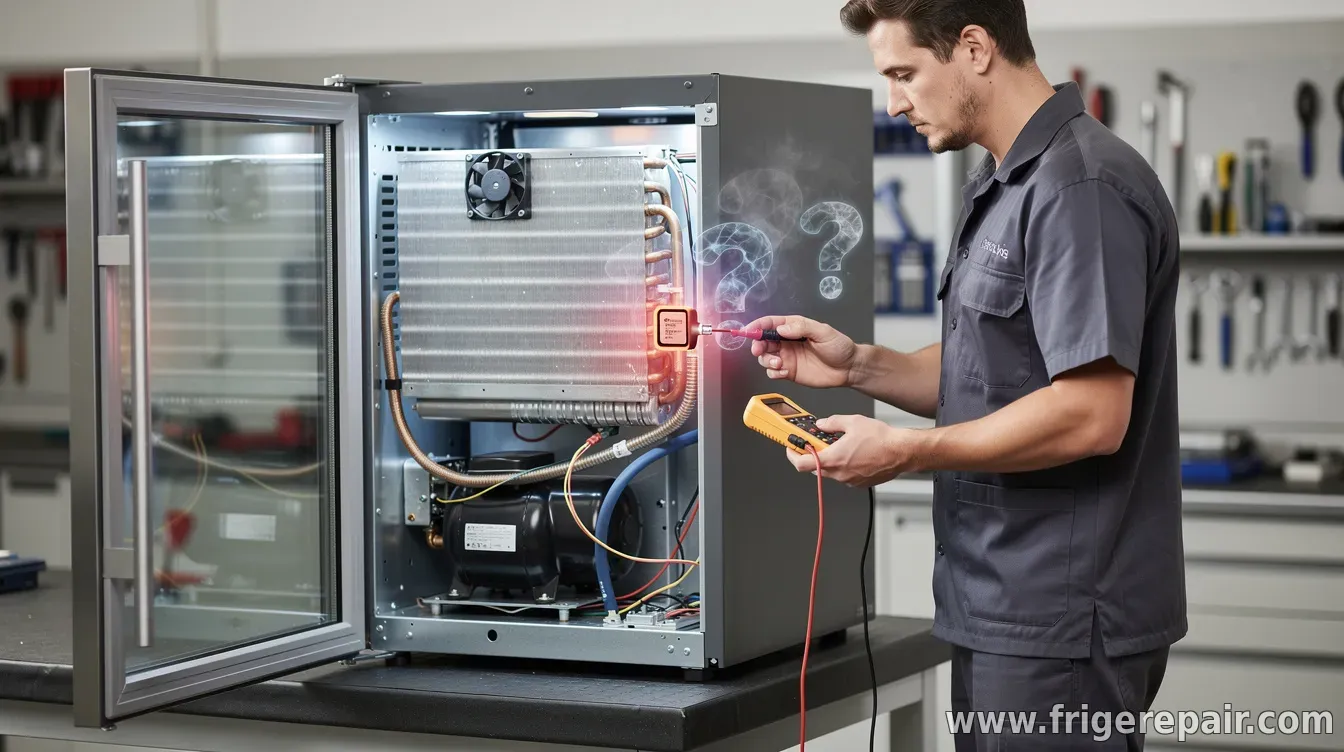 Wine coolers (thermoelectric or compressor-based) are designed to hold a narrow temperature range to protect flavor and aroma. When they start acting up—running constantly, failing to cool, frosting over, or swinging temperatures—the cause is often a small component or airflow problem. Below are common wine cooler problems and the fixes most homeowners can safely try. Note: Unplug the unit (or switch off power at the breaker) before removing panels or touching wiring. If you smell burning, see melted insulation, or hear loud grinding, stop troubleshooting and contact a repair professional. 1) The unit isn’t cooling (or barely cools)Possible causes include thermostat/control settings, a failed compressor, a faulty start relay/overload (compressor models), or blocked condenser coils. First, verify the set temperature and confirm the unit isn’t in “demo” mode (some models have showroom settings). Check airflow: make sure vents aren’t obstructed and that the cooler is installed with the required clearance around the sides and back. Next, clean condenser coils (usually behind or beneath the unit). Dust buildup can prevent heat from dissipating, which makes the cooler ineffective. If the cooler runs but temperature won’t drop, compressor-related components may be involved. Because these parts can be hard to diagnose safely, it’s usually best to involve a technician if cleaning and settings don’t resolve the issue. 2) Temperature swings or inconsistent coolingWhen a wine cooler cycles too often—or fails to maintain the target range—the issue can be sensor-related, airflow-related, or tied to airflow fan performance. For many units, a temperature sensor (thermistor) or control board may drift over time. Start with the simple checks: confirm the door seals tightly and isn’t warped. Test the seal by closing the door on a thin strip of paper; it should resist pulling out with light force. Also avoid overloading the cooler immediately after a warm restock—internal temperatures can take time to stabilize. If everything checks out but swings continue, the sensor, fan, or electronic control likely needs testing and replacement. 3) Fan problems (noisy, not running, or weak airflow)Fans help circulate cold air evenly. If you hear rattling or the fan doesn’t seem to move air, look for obstructions first (bottles, labels, ice, or debris). In some models, ice buildup can stall a fan. Listen for fan operation when the unit is calling for cooling. If the fan is silent but power is on, it may be disconnected, have a failed motor, or be controlled by a bad relay or board. Power to the fan and control signals require careful diagnostics—another reason professional service is recommended for electrical faults. For compressor models, if the condenser fan (or evaporator fan) fails, both cooling performance and efficiency suffer. Cleaning vents and coils is still worth doing before deeper testing. 4) Frost, ice buildup, or unusual condensationFrost is commonly caused by airflow disruption or a defrost problem. On some compressor units, a stuck defrost timer, failed defrost heater, or bad defrost thermostat can lead to accumulating ice. Excess ice can then block airflow and create a “vicious cycle” of poor cooling and temperature swings. Check the door seal and make sure the door is closing properly. Warm, humid air leaking in increases condensation and can worsen ice formation. If you see frost primarily on one area, inspect airflow paths for blockage. For safety and accuracy, defrost-system diagnostics are usually best handled by a technician, especially when replacing electrical heating components or sensors. 5) The unit runs constantly but never reaches temperatureContinuous operation often points to blocked heat dissipation, improper installation, or a control issue. Verify clearance at the back and sides, and keep the cooler away from heat sources like ovens, direct sunlight, or radiators. Then clean condenser coils and confirm nothing blocks the intake/exhaust vents. Next, check the door seal and interior lighting settings (if applicable). Frequent door openings also add thermal load and can cause extended runtime, particularly right after restocking. If the cooler still won’t cycle down after cleaning and seal checks, compressor performance or control components may be failing. 6) Strange noises or vibrationNoises can be normal in small amounts (fans and compressors are designed to run), but grinding, banging, or persistent rattling often indicates a mechanical issue. Common culprits include a loose fan blade, items vibrating against the cabinet, or compressor-related resonance. Check that bottles aren’t touching internal surfaces and that shelves are seated correctly. Ensure the unit is level—an uneven cooler can increase vibration. If noise continues with internal checks, have the unit assessed to avoid further damage. 7) When to call a technician (and why) While basic troubleshooting is manageable—settings, door seal inspection, vent clearance, and coil cleaning—certain problems benefit from professional testing. Call a technician if you suspect compressor failure, a start relay/overload issue, defrost heating problems, or any electrical/control-board malfunction. Getting the right diagnosis can prevent repeated part replacements and reduce the risk of electrical hazards. If you share your cooler’s brand/model and what symptoms you see (not cooling, frost, fan stops, temperature swings, noise), the repair path becomes much clearer. | |
|
| |
Next & Previous posts
Related articles: