
10:00 AM Front-Load vs. Top-Load Washers: Common Repair Issues | |
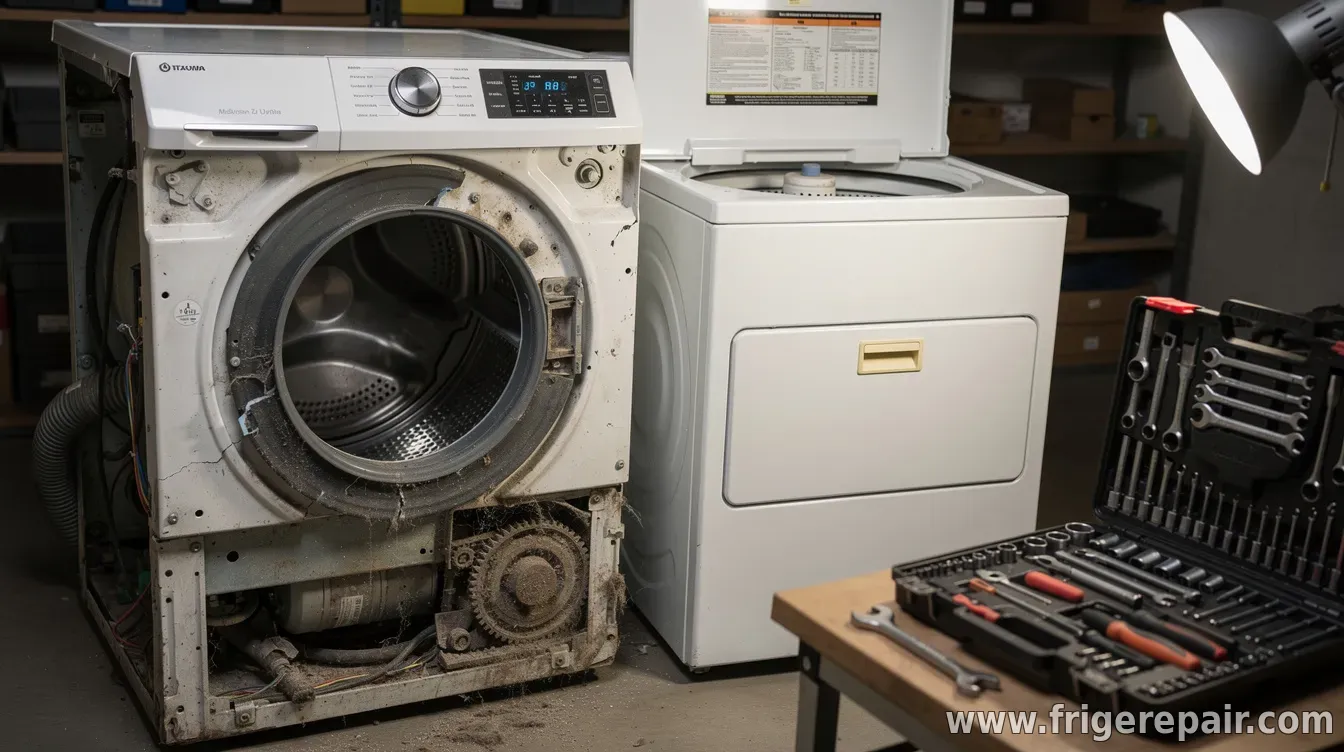 When a washing machine starts acting up, the first question is usually simple: what type of washer is it? Front-load and top-load models share the same job—cleaning clothes—but their internal designs differ enough that the most common repair issues also tend to differ. Front-load washers: common problemsFront-load machines are known for efficiency and gentler wash action, but they also have specific weak points. One of the most frequent complaints is water drainage issues, which can show up as standing water in the tub or slow draining. Clogs in the drain pump, a restricted drain hose, or debris buildup can be the culprit. Another common issue is leaks. Because front-load washers use a door seal (rubber gasket) to prevent water from escaping, worn seals—or buildup of lint, detergent residue, and mildew—can cause leaks. In many cases, the fix involves cleaning the gasket thoroughly or replacing it when the seal becomes brittle. Excessive vibration and “walking” are also relatively common, especially if the unit is not leveled. A damaged suspension component, uneven flooring, or improper installation can cause the washer to shake during spin cycles, which may lead to further wear if ignored. Front-load washers may also experience odor and mildew that can be mistaken for a mechanical failure. While this isn’t always a “repair” item, it can be a sign that the machine isn’t being dried properly—often related to gasket moisture, inadequate ventilation, or missed cleaning cycles. Top-load washers: common problemsTop-load washers tend to be simpler in layout, but they are not immune to frequent repairs. A major recurring issue is fill and water-level problems, typically tied to inlet valve performance, faulty water sensors, or clogged screens in the water supply connections. Symptoms include slow filling, overfilling, or stopping mid-cycle. Agitator or drive problems can also arise, particularly in models where the agitator moves garments through a central mechanism. Worn couplers, belt or clutch wear (depending on design), or damaged transmission components can cause the washer to stop agitating properly or make unusual noises. Like front-load units, top-load washers can develop drainage and pump-related failures. If the machine drains slowly or leaves water behind, the drain pump, impeller, or a partially blocked hose may need inspection. Finally, top-load washers can suffer from lid switch failures. Many units will not spin or will interrupt cycles if the lid switch doesn’t signal that the lid is securely closed—leading to repeated “stops” or cycle errors that look like bigger problems. What these issues have in commonAcross both washer types, clogged filters, worn seals, and sensor or pump failures are among the most common mechanical themes. Detergent buildup, lint, and small objects (like coins or sock fragments) can accelerate wear—so the quickest “repair prevention” is usually basic maintenance: periodic cleaning, avoiding excess detergent, and keeping drains clear. If your washer is still under warranty, or if you’re seeing water where it shouldn’t be, it’s often best to stop using the machine and consult a qualified technician. Early intervention can prevent secondary damage such as flooring issues, motor strain, or repeated component failures. In the end, identifying whether you have a front-load or top-load washer—and matching the symptoms to the most likely failure points—can reduce troubleshooting time and help you decide whether a simple cleaning, a replacement part, or professional service is the right next step. | |
|
| |
Next & Previous posts
Related articles:


![]()