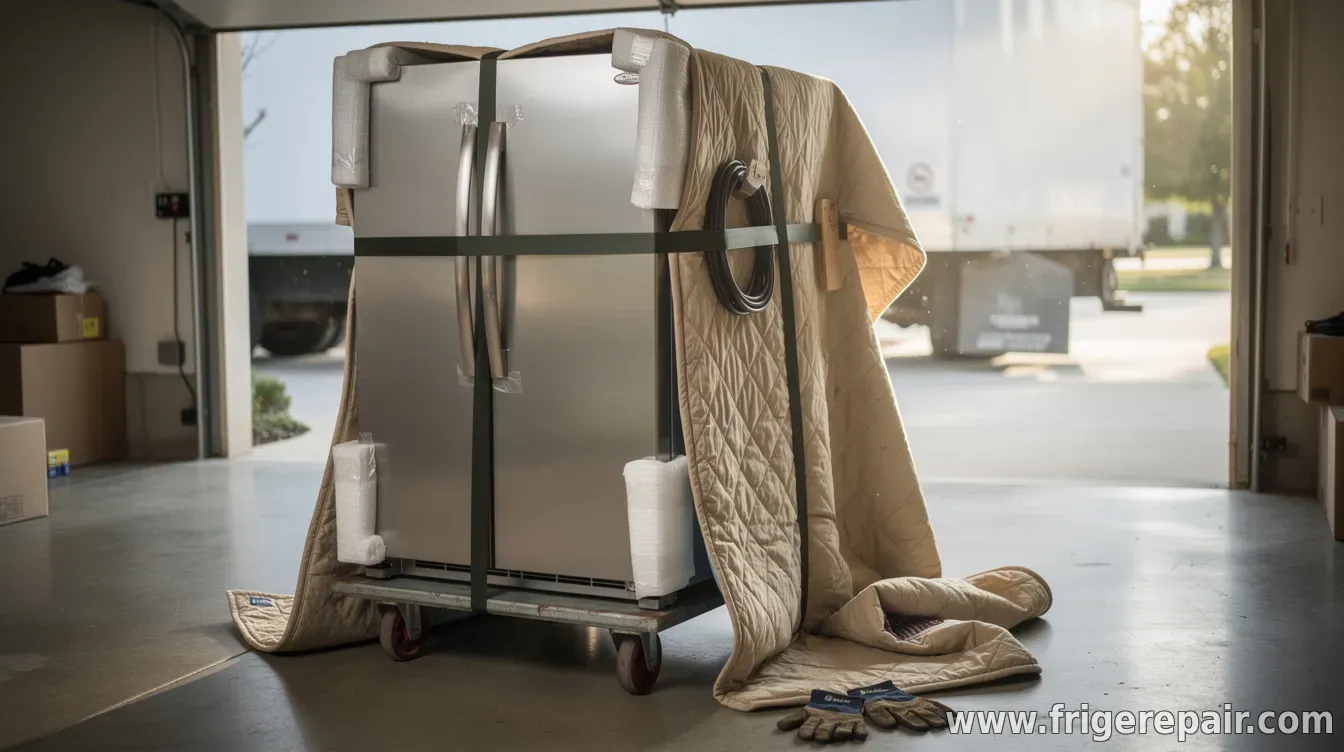
Transporting a refrigerator safely is crucial to protect the appliance and avoid performance issues after the move. Because refrigerators contain sensitive sealed systems and heavy components, preparation should start well before moving day.
Below is a practical checklist to get your refrigerator ready for transport—whether you’re relocating across town or loading it into a moving truck.
1) Plan the move and measure key spaces
Before you begin, confirm the refrigerator’s dimensions and compare them with doorways, hallways, stairwells, and elevator sizes. Plan the safest path to the truck and clear the route of obstacles. If the appliance must be carried down stairs, arrange appropriate helpers and equipment (like a dolly rated for heavy loads).
2) Power down and empty the interior
Unplug the refrigerator and remove all food and removable items. Take out drawers, shelves, and any bins you can
... Read more »
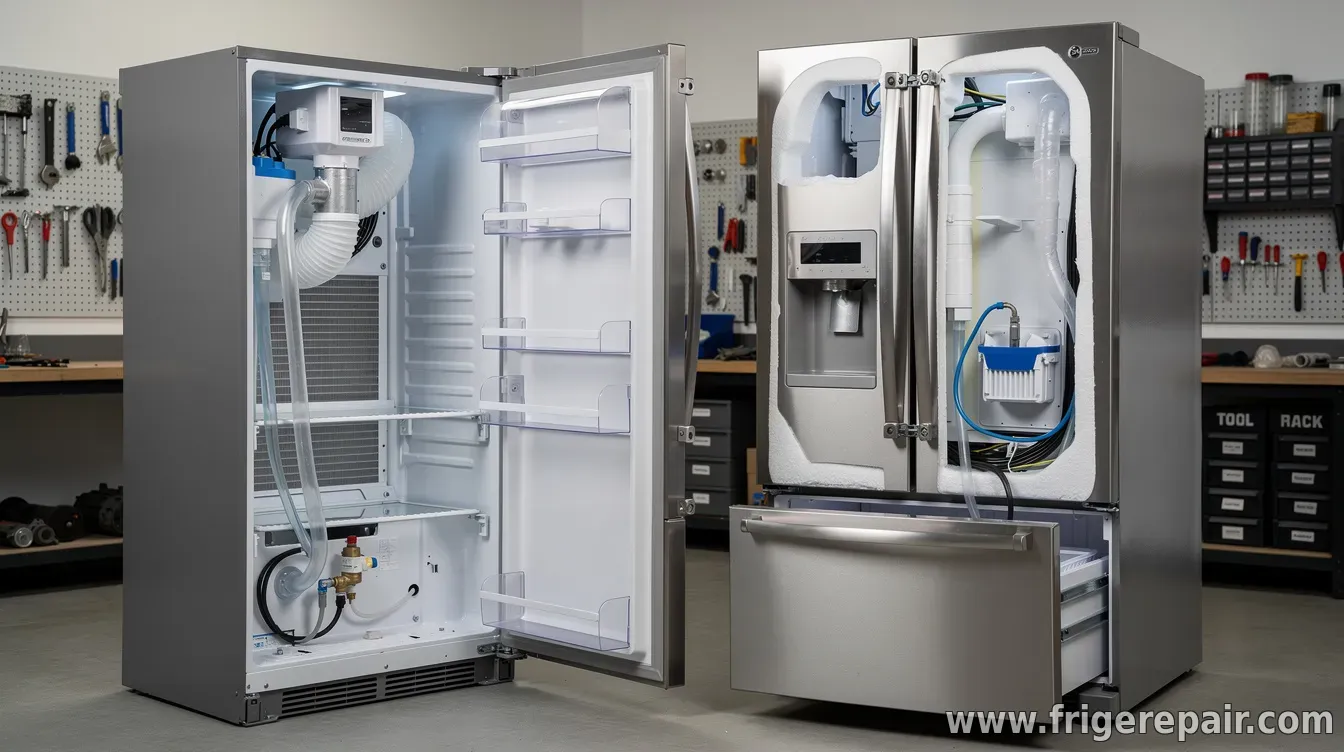
Modern refrigerators share the same core job—keeping food cold—but their internal layouts can vary a lot. That matters for repairs, because where components are located, how air circulates, and how doors seal all influence what breaks first and how technicians diagnose the problem.
Below is a practical breakdown of the most common repair differences between side-by-side and French door refrigerator designs, plus what homeowners should watch for before scheduling service.
1) Ice and water systems: more exposed in French door models
French door refrigerators frequently place ice and water dispensing components in the door area or in nearby assemblies, which can make them more susceptible to issues tied to water delivery. If you notice slow ice production, hollow cubes, leaking at the dispenser, or air in the water line, the root cause is often the water inlet valve, water filter,
... Read more »
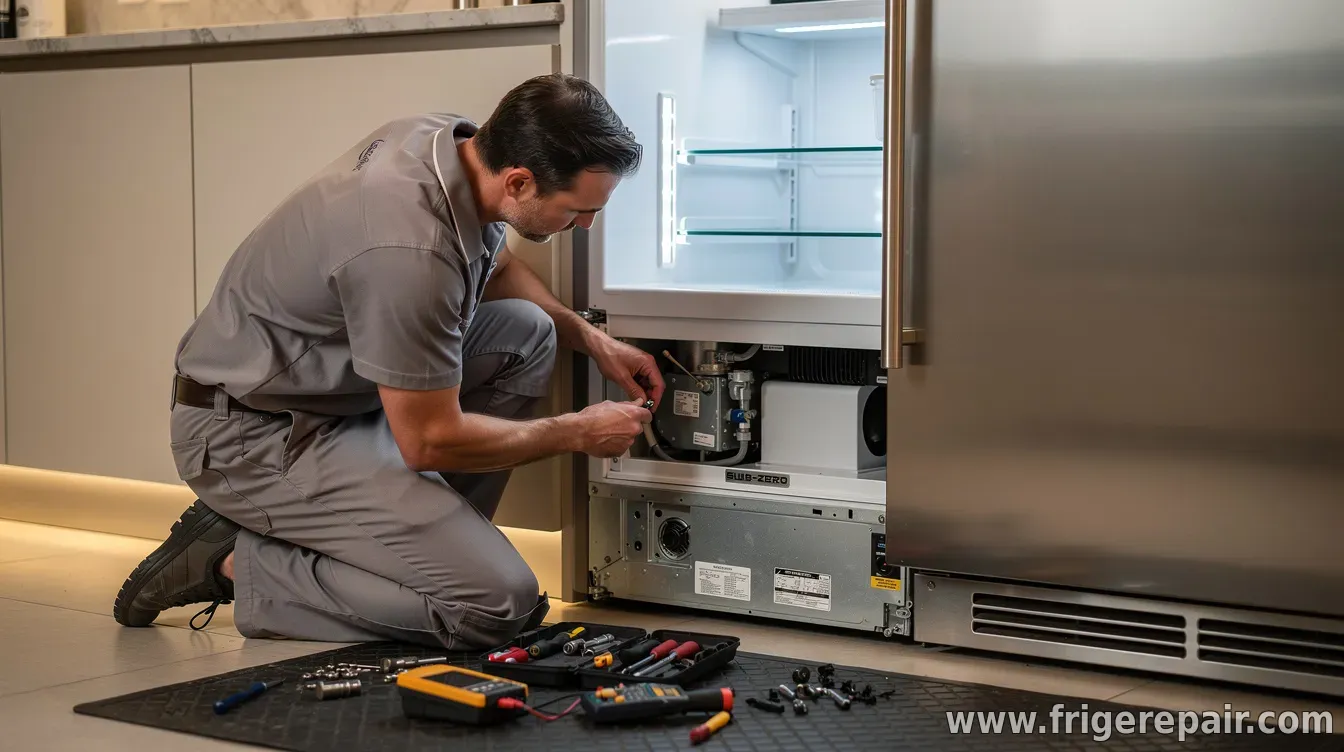
Sub-Zero and other built-in refrigeration systems are engineered for long service life, but they also present unique maintenance and repair challenges. Their integrated fit, proprietary components, and—often—complex refrigeration circuits mean that successful service depends on the right diagnostics, parts availability, and safe access to the unit.
Access and fit: why built-ins slow repairs
Unlike freestanding refrigerators, built-in models sit inside cabinetry with minimal clearance for removal. Service work may require careful disassembly of trim panels, doors, or surrounding components to reach internal parts. Even when the unit is accessible, technicians may need extra time to protect surrounding cabinetry and prevent misalignment of door panels and overlays.
Common service triggers technicians plan for
Callouts typically fall into a few recurring categories: inconsistent temperatures, unusual noises, water or ice issues, condenser
... Read more »
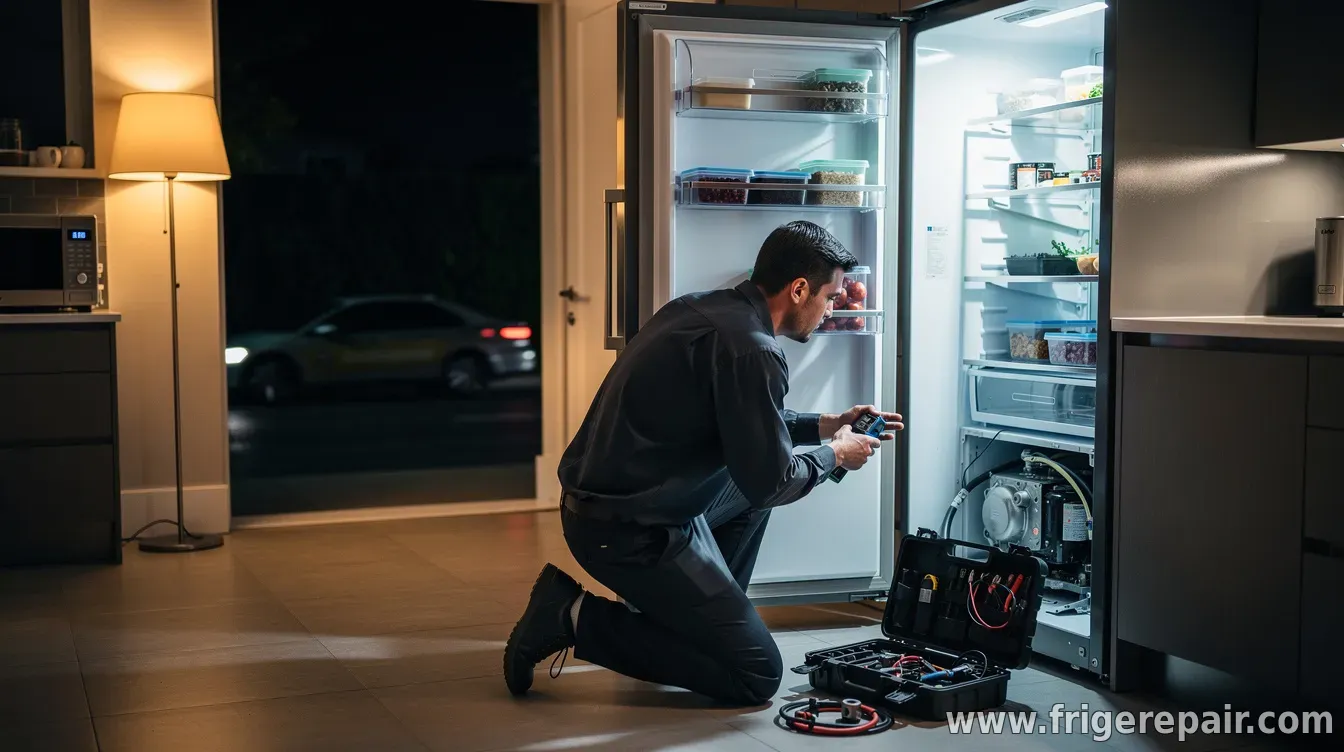
When a refrigerator stops cooling, the clock starts ticking—especially if food may spoil. Same-day emergency refrigerator repair is designed to get your unit back to safe operating conditions as quickly as possible, with a workflow that balances speed, diagnosis, and reliable fixes.
Although every service provider operates differently, the process usually follows a similar path: immediate intake, rapid scheduling, on-site assessment, targeted troubleshooting, and repair (often with common replacement parts carried on the truck).
1) Call intake and urgency triage
Your first step is typically a phone call or online request that collects key details. Technicians often ask when the problem started, what exactly is happening (no cooling, warm interior, leaking water, unusual noises, ice buildup), and whether the fridge is completely off or running but not cooling.
Based on your answers, the provider triages urgency. If there are signs
... Read more »