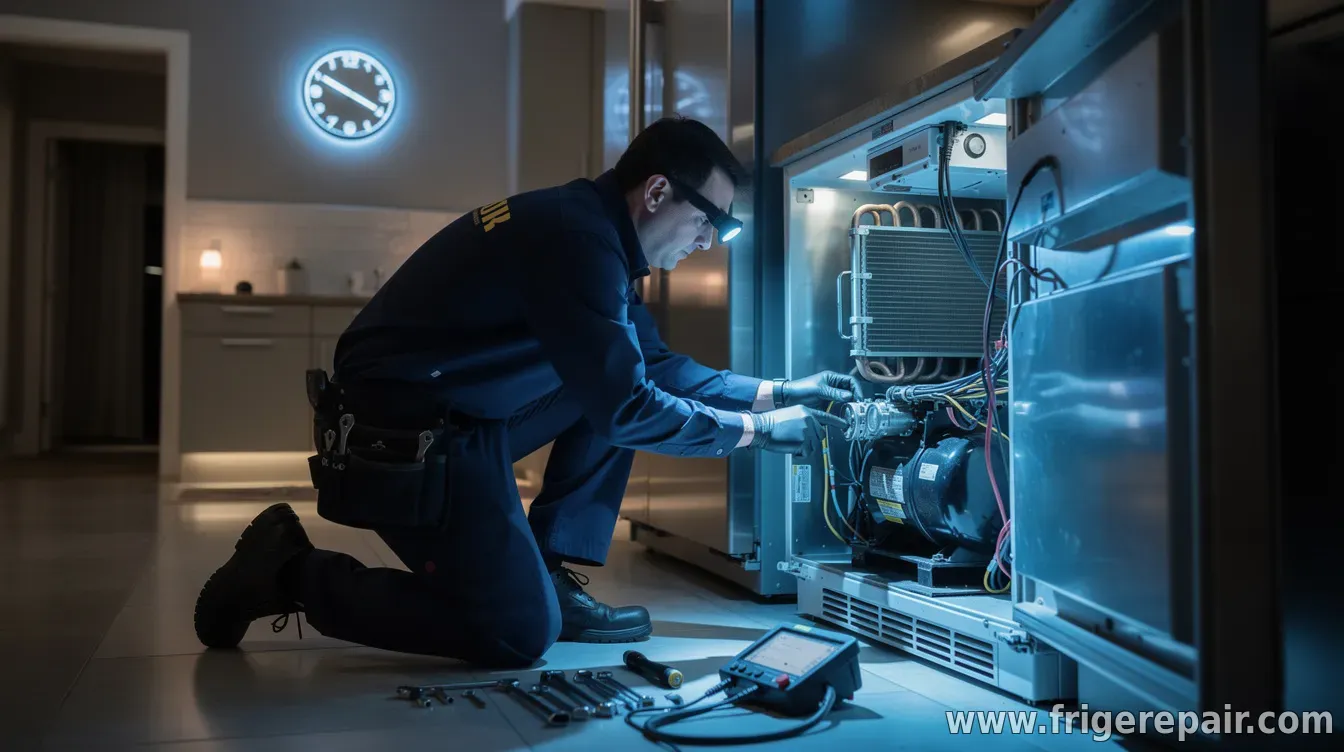
Refrigerator breakdowns don’t always happen at convenient times. Whether the unit isn’t cooling, the compressor is cycling erratically, or the fridge has stopped running entirely, same-day emergency repair is designed to restore safe temperatures as quickly as possible.
1) Your call triggers an urgent response
The process usually starts with a detailed phone intake. Technicians confirm the refrigerator type and model (or ask for it via the data label), what symptoms you’re seeing, when the problem began, and whether power, lights, and fans respond normally. In many cases, they’ll also ask about food spoilage and whether you need guidance on temporary storage while service is scheduled.
2) Quick triage and arrival window
After the initial assessment, the provider assigns an emergency slot and shares an estimated arrival window. If the issue appears to be a simple fix (for example, a tripped breaker, a failed door switch, or
... Read more »
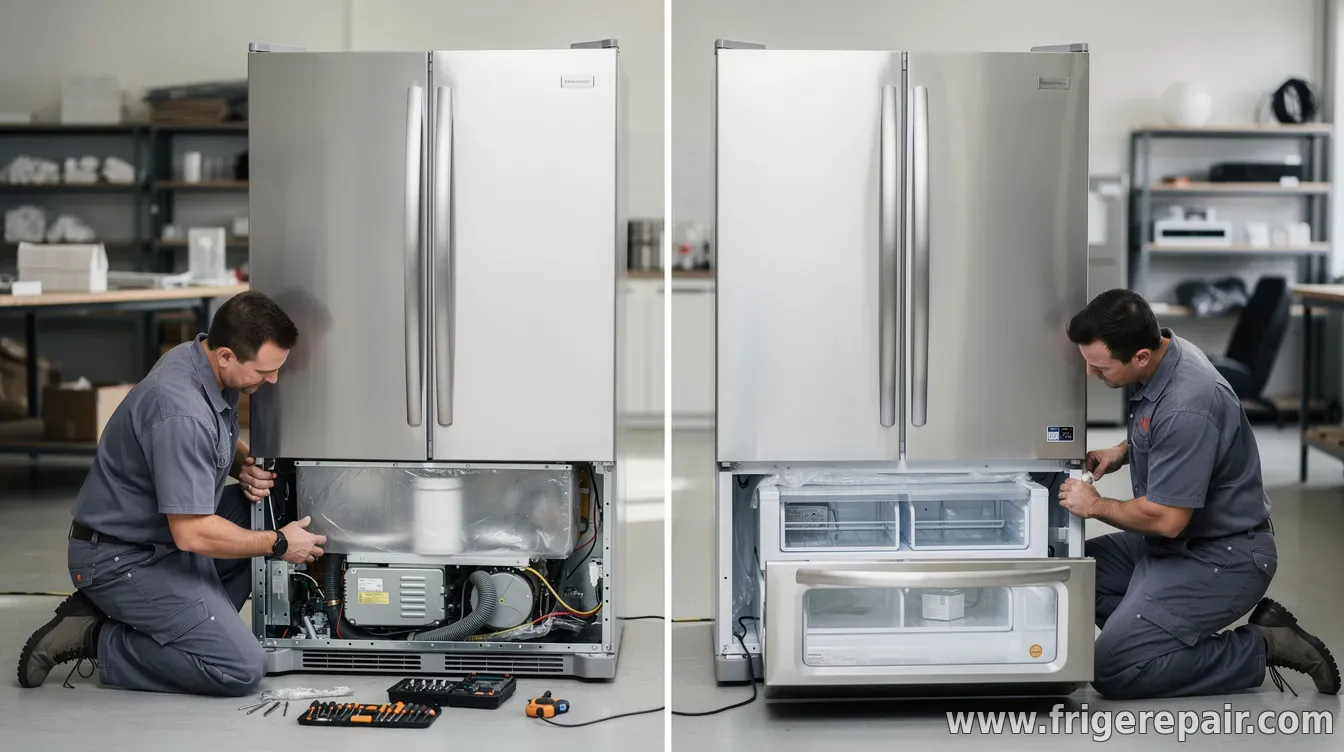
Modern refrigerators may look similar from the outside, but the way they’re built affects what breaks, how it breaks, and how hard it is to repair. While both side-by-side and French door models typically use similar core refrigeration technology, their layouts change access to parts such as the ice maker, water dispenser, evaporator and condenser systems, and the way fans and temperature sensors are positioned.
Door design and access to key components
In side-by-side refrigerators, the freezer and fresh-food sections are usually stacked vertically within one cabinet, with controls and airflow spread across a single main body. That can make many repairs straightforward because techs can often reach critical internal parts from the interior without fully removing major sections.
French door models split the fresh-food compartment into two doors over a freezer drawer. That design can improve access to the refrigerator side for some tasks, but it may als
... Read more »
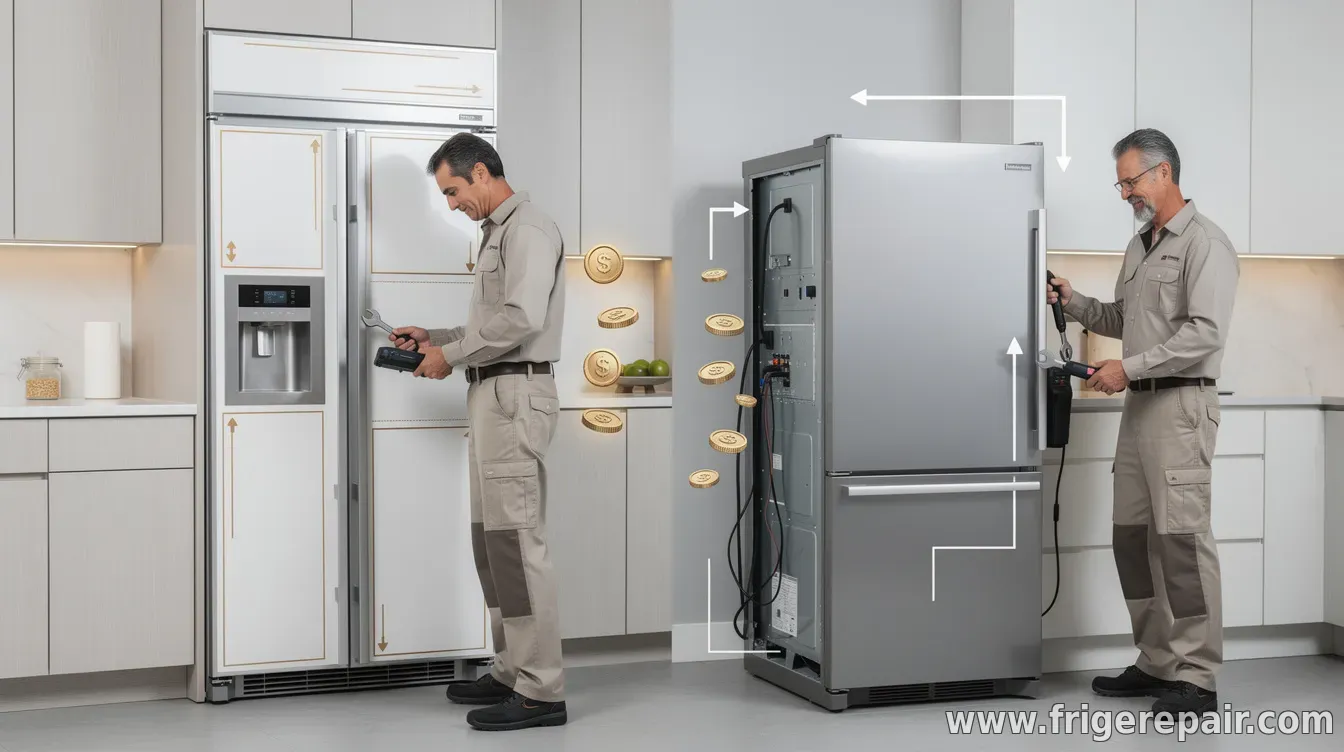
Choosing between a built-in and a freestanding refrigerator can affect more than appearance and layout—it can also change how expensive repairs are when something goes wrong. While both types break down in similar ways (cooling failures, leaks, compressor or fan issues), the total repair bill is often driven by parts availability, labor access, and installation complexity.
In general, built-in units tend to carry higher service costs because they’re integrated into custom cabinetry and may use different components than standard stand-alone models. Freestanding refrigerators are usually easier to access, and many common parts are interchangeable across brands and series.
1) Access and labor: the biggest cost difference
Freestanding refrigerators are designed to be serviced from the front and sides, with clearer pathways for technicians to remove panels and reach key components. Built-in refrigerators, by contrast, can be partially enclosed by cab
... Read more »
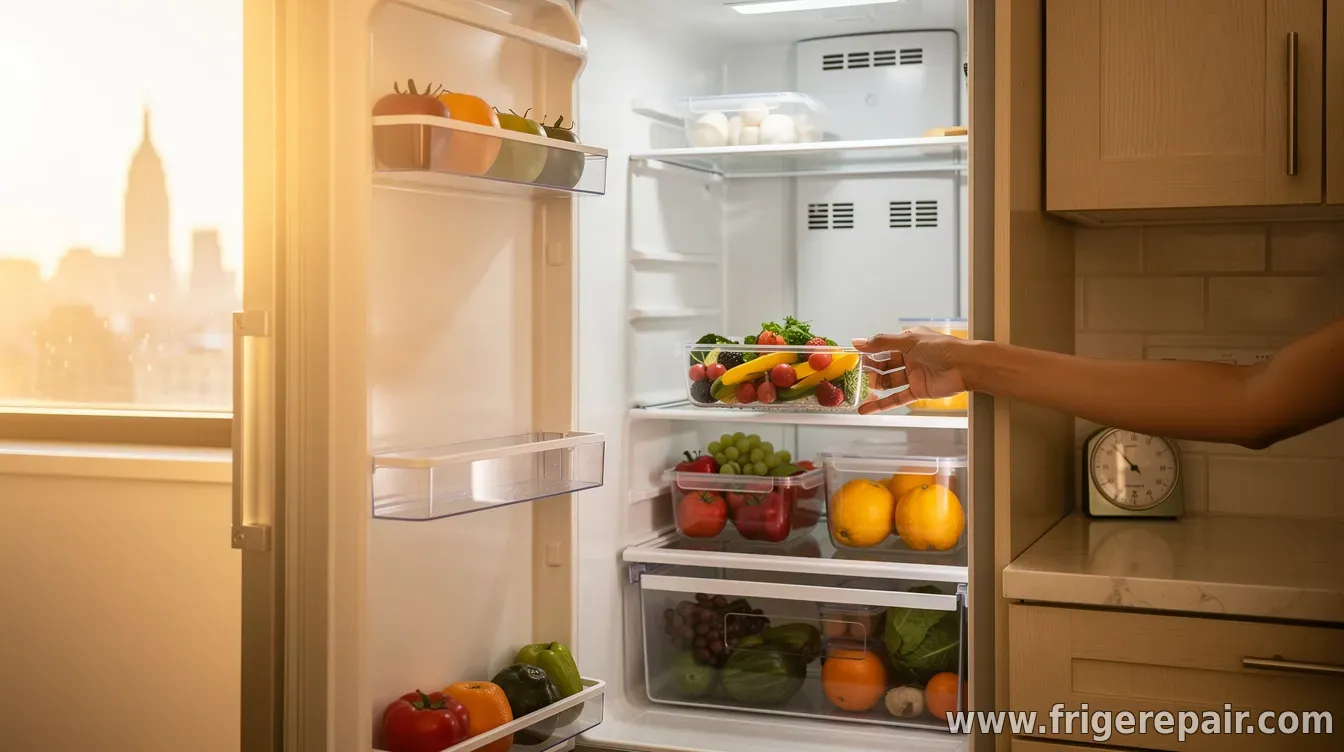
Summer in New York City brings hotter apartments, frequent use of the fridge, and more frequent power spikes in some neighborhoods. A few quick steps before the season peaks can help your refrigerator maintain safe temperatures, reduce energy costs, and prevent common problems like uneven cooling or spoiled food.
Start with the basics: confirm your refrigerator and freezer temperatures. The refrigerator should typically be set to about 37–40°F, while the freezer is best around 0°F. If you haven’t checked in a while, use an appliance thermometer for a more accurate read than the dial setting, especially if your unit is older or has had temperature swings.
Clean and inspect for airflow
Over time, dust and debris can interfere with airflow, making the compressor work harder. Wipe down the interior, clean crisper drawers, and remove any spills that can create odors or attract moisture. Then, check the door seals—look for cracks, stiffn
... Read more »