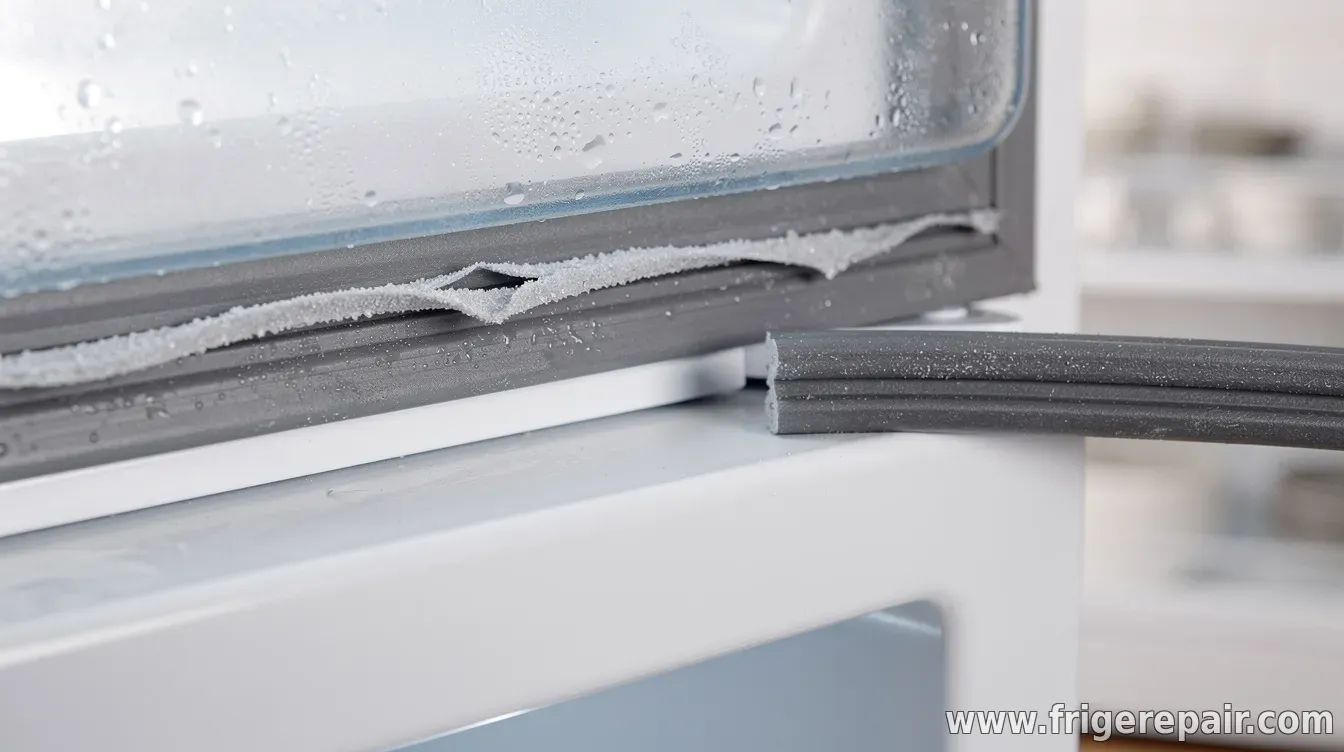
A refrigerator door gasket (the rubber seal around the door) is a small part with a big job: it keeps cold air inside and warm air out. When the gasket deteriorates—through wear, stretching, or damage—the fridge works harder to maintain temperature, which can increase energy use and raise the risk of spoilage.
Replacing the gasket is often straightforward, but timing matters. Addressing the issue early can prevent avoidable temperature swings and help maintain consistent cooling without unnecessary strain on the compressor.
Why the gasket matters
Gaskets form an airtight barrier when the door closes. If the seal isn’t tight, cold air leaks and the appliance compensates by running more frequently. Over time, that extra runtime can mean higher electricity costs and may contribute to premature wear on internal components.
A failing gasket can also lead to condensation or frost buildup near the door edges—especially in refrigerat
... Read more »
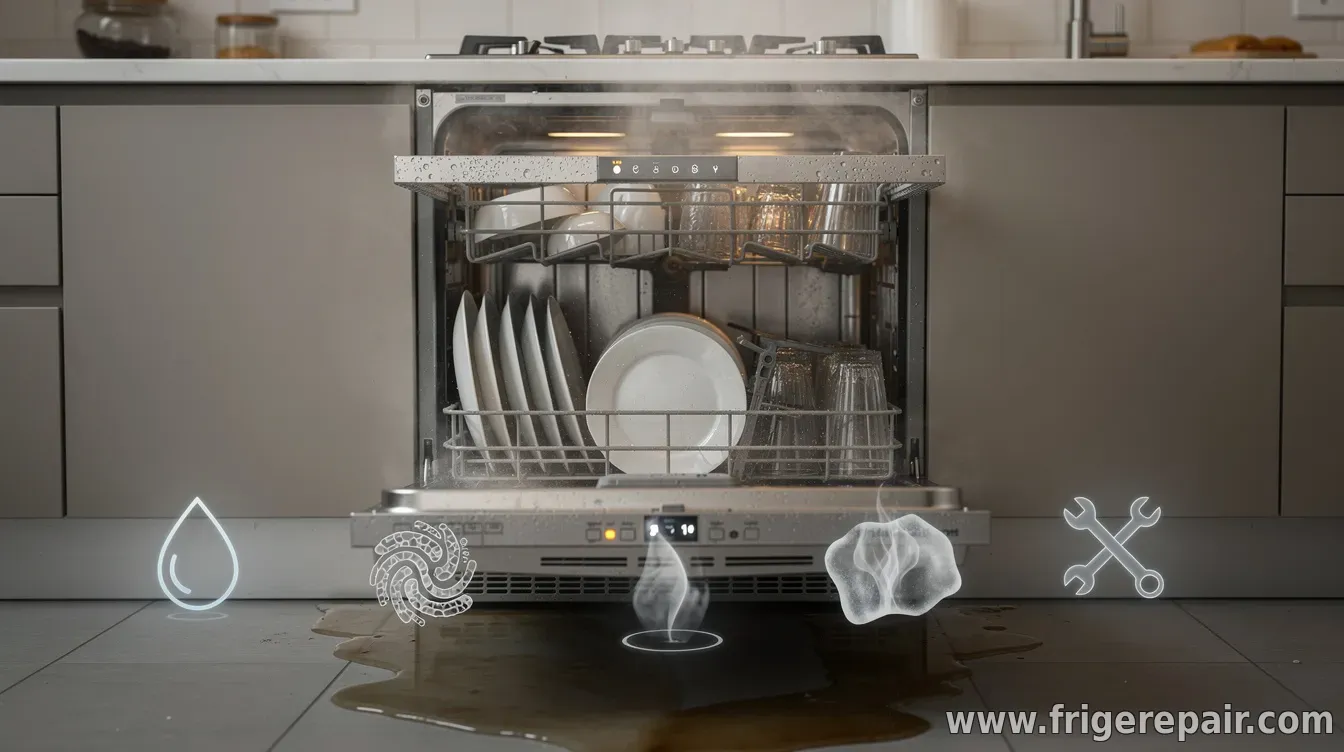
Dishwashers are designed to quietly handle daily messes—but when problems build up, performance usually changes first. If you’re noticing any of the issues below, it may be time to bring in a professional repair technician to diagnose the underlying cause.
Below are five common signs that your dishwasher may need professional attention, along with what they often indicate.
1) Water pooling at the bottom
If you regularly find standing water after a cycle, the issue is often more than “normal drainage.” A clogged drain hose, failing drain pump, or blocked filter/strainer can prevent proper water removal and lead to odors, corrosion, and inefficient cleaning.
2) Dishes come out dirty, cloudy, or spotty
Reduced cleaning performance can point to clogged spray arms, worn wash jets, detergent buildup, or problems with water circulation. When the dishwasher won’t distribute water effectively, glasses can turn cloudy a
... Read more »
Brooklyn residents looking for dryer installation and repair services now have a range of local options to address everything from weak heat to improper venting. With many households relying on dryers for daily laundry needs, fast diagnostics and careful installation can make a major difference in both convenience and safety.
Dryer issues often start with common problems such as heating failures, abnormal noises, or slow drying that may point to electrical faults, worn components, or restricted airflow. Professional service generally begins with a review of the symptoms, followed by testing to identify the underlying cause before recommending repairs.
What dryer repair typically includes
Reputable service providers commonly handle troubleshooting and repairs across gas and electric models, with an emphasis on identifying the root cause. Work may include checking heating elements or burners, inspecting thermostats and sensors, and verifying that the drum and
... Read more »
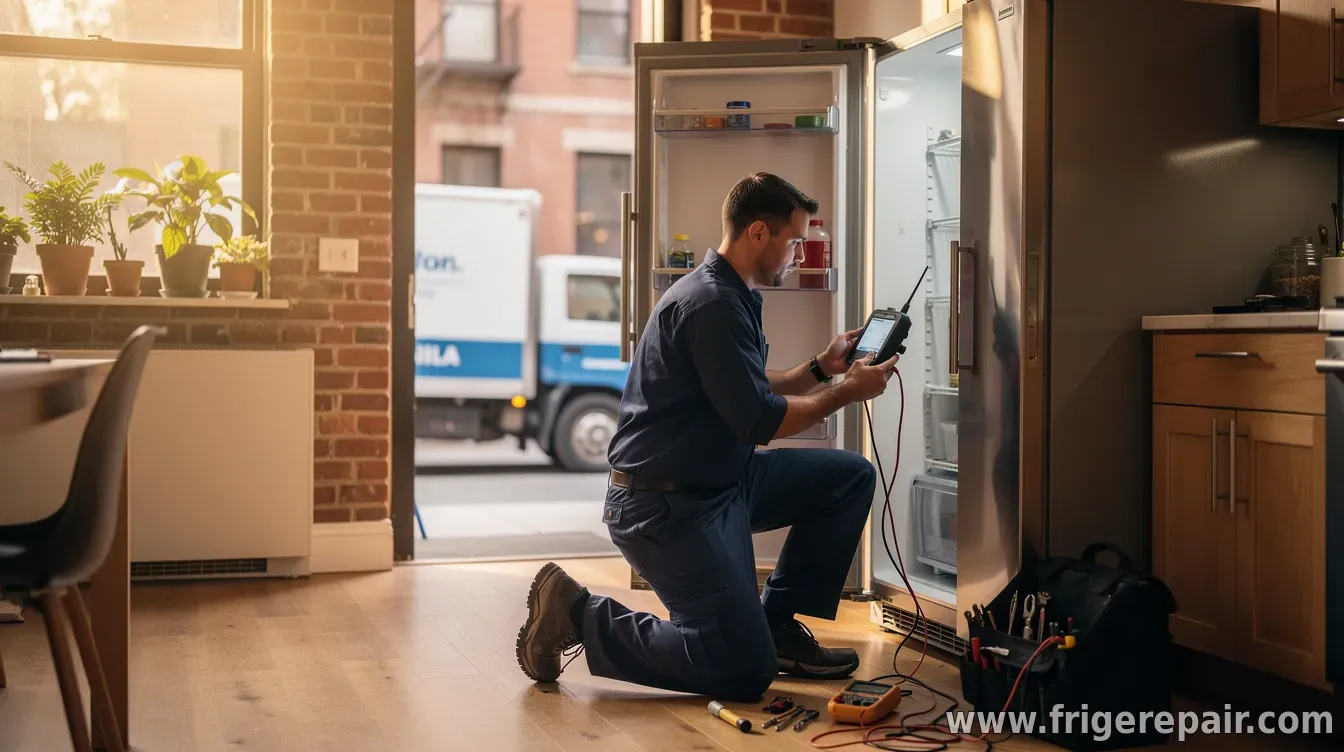
If your refrigerator isn’t cooling properly, making unusual noises, or leaking water, you can order at-home repair service in Brooklyn through our team in just a few steps. We focus on fast scheduling, clear communication, and practical repairs designed to get your appliance running reliably again.
How to order refrigerator repair at home
To book service, contact us with a few key details so we can prepare the right technician and parts before the visit. Include your address in Brooklyn and the type/brand of refrigerator (and whether it’s a top-freezer, bottom-freezer, side-by-side, or French door model).
Next, describe the issue as clearly as possible—such as “not cooling,” “freezer is cold but fridge isn’t,” “ice maker not working,” “water under the crisper,” or “temperatures keep fluctuating.” If you’ve noticed error codes or specific symptoms (fans running/not runn
... Read more »