6:37 AM Refrigerator Running but Not Cooling: 7 Checks |
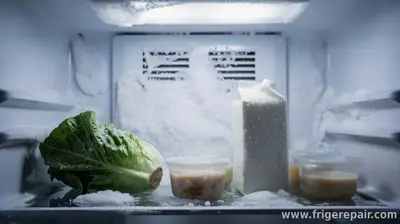
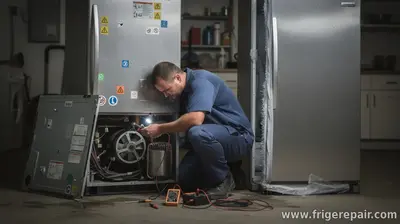
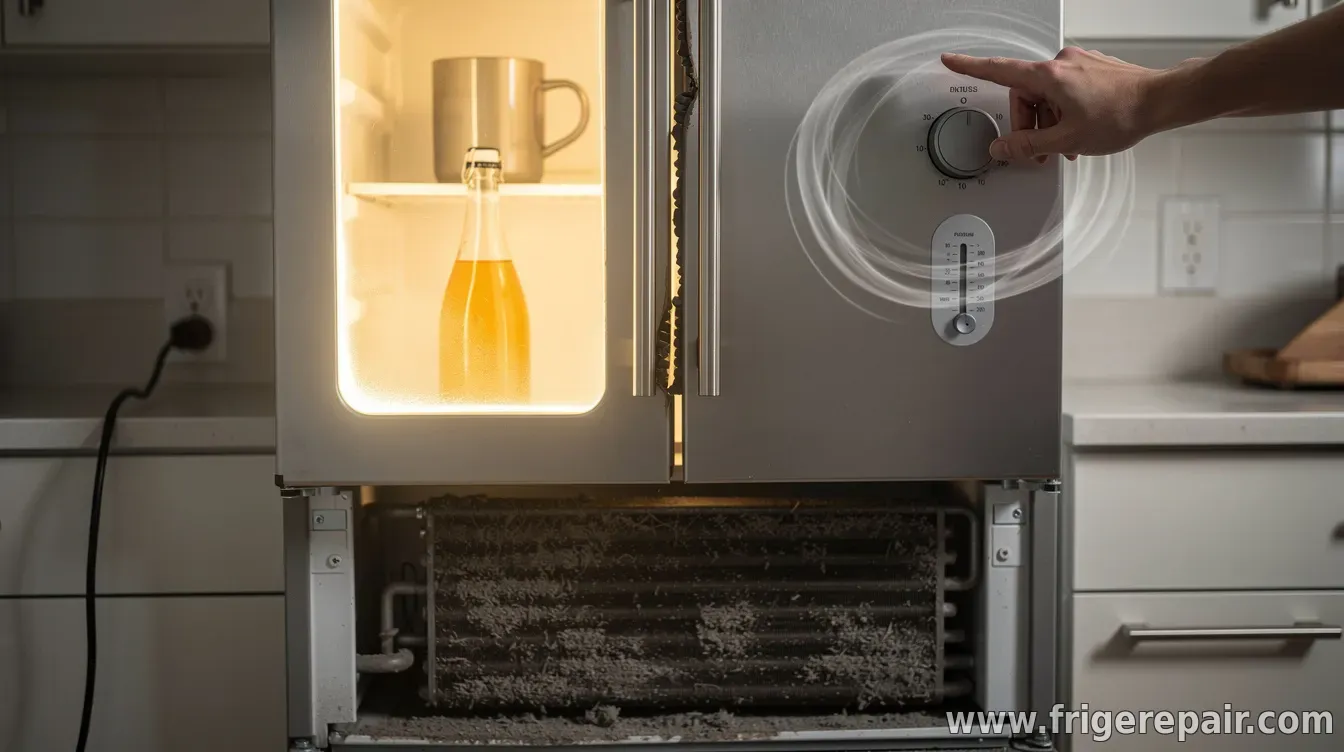 A refrigerator that runs yet doesn’t cool can point to anything from a simple temperature setting mistake to a failing cooling component. Because the unit may still circulate air and run fans or the compressor, the issue isn’t always obvious—and quick troubleshooting can save time and money. Start with the basics: confirm the fridge has power, check settings, and listen for normal sounds. Then move on to the system-level checks that most commonly explain “running but not cooling” complaints. 1) Verify the temperature settings and modesMake sure the refrigerator and freezer controls aren’t set too high. Also check for features like Vacation, Eco, or Power Freeze modes that may limit cooling depending on the model. If the unit has recently been adjusted, restore it to the recommended mid-range setting. 2) Look for blocked vents or overstuffingCold air must move from the freezer area to the refrigerator compartment. If the vents inside the fridge are blocked by food, containers, or ice buildup, cooling can stall even though the fridge appears to run. Reposition items to keep vents clear and check that air can circulate freely. 3) Check the airflow: fan(s) and soundsMany “runs but doesn’t cool” problems come down to failed fans. Listen for the evaporator fan (often in the freezer). If you hear little or no fan activity—or the fridge seems to run without moving air—cooling may not circulate properly. If your refrigerator has multiple compartments or zones, also confirm that dampers or zone controls aren’t stuck. 4) Inspect the condenser coils for dust and debrisDirty condenser coils can prevent heat from being released, which can stop cooling even when the compressor is running. Unplug the refrigerator and inspect the coils—typically located behind the unit or underneath at the front grille—then gently clean them according to the manufacturer’s guidance. Dust buildup is a common cause, especially in homes with pets or frequent HVAC dust. 5) Test the door seals (gaskets) and door alignmentLeaking warm air through worn or misaligned gaskets can cause the refrigerator to run continuously yet struggle to cool. Close a dollar bill or thin paper in the door and gently pull—if it slides out easily, the seal may be weak. Also check for dents or warping and ensure the fridge doors close fully and evenly. 6) Address possible ice buildup (defrost system)If the evaporator coil is covered in ice, the refrigerator can’t release cold air properly. Common signs include airflow obstruction in the freezer, a “frosted but not cooling” pattern, or unusual fan behavior. Many models use a defrost heater and thermostat/timer to clear ice—if that system fails, cooling can stall. For safety, allow the unit to thaw and avoid chipping ice; consult your manual for defrost-related diagnostics. 7) Confirm compressor start and airflow across compartmentsIf the compressor runs but the interior doesn’t cool, the issue may be related to sealed-system problems or restricted airflow. If the compressor never truly starts (for example, it clicks but doesn’t run), it could be a start relay, overload protector, or temperature sensor issue depending on the model. At this stage, it’s often helpful to rely on the refrigerator’s diagnostics (many models display error codes) and compare symptoms: Are you getting any cold air at all? Does the freezer cool while the fridge doesn’t, or neither compartment cools? When to call for service: If you’ve checked settings, airflow, coils, door seals, and defrost-related signs—and the refrigerator still won’t cool—professional diagnosis is recommended. Sealed-system repairs and electrical component testing can be complex, and the right fix depends on precise measurements and model-specific parts. Meanwhile, protect your food: keep the doors closed as much as possible, monitor temperatures with an appliance thermometer, and move items to a cooler or backup storage if cooling remains unreliable. |
|
|
Next & Previous posts
Related articles: