8:10 AM Home Refrigerator Repair: Practical DIY Tips and Safety Basics |
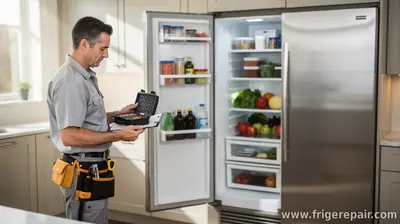
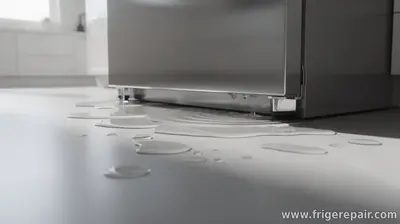
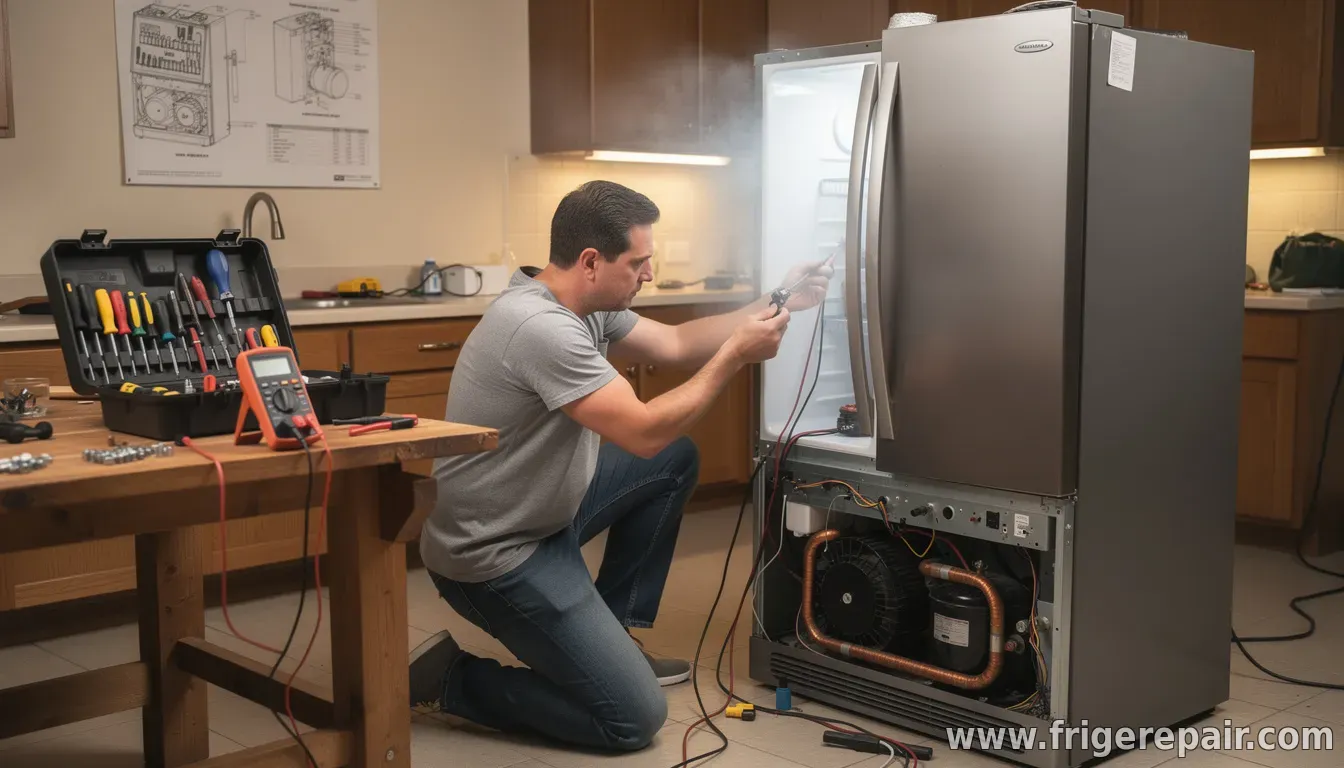 Repairing a refrigerator at home can save money and extend the life of an aging appliance. This guide focuses on common, non-hazardous issues that many homeowners can safely address with basic tools and precautions. Safety first: always unplug the appliance before starting any inspection or repair. Keep hands dry, use insulated tools, and avoid tampering with refrigerant systems or sealed components. If you suspect a refrigerant leak, electrical fault, or compressor failure, stop and contact a licensed technician. Identify common problems such as: (1) the unit isn’t cooling or is warm inside, (2) excessive frost buildup in the freezer, (3) motor or fan noises, (4) water pooling inside or outside, or (5) doors not sealing properly. Each issue has typical causes and safe, beginner-friendly checks. Step-by-step basics you can try (when safe to do so): 1) Check power and settings: confirm the plug is working, the outlet has power, and the temperature controls are set correctly for your climate. 2) Inspect door seals: clean the gasket with warm, soapy water and look for gaps. A simple test is to close the door on a piece of paper; if it slips out easily, the seal may need replacement. 3) Clean condenser coils: dusty coils reduce cooling efficiency. Unplug the fridge, locate coils (usually at the back or beneath), and gently vacuum or brush away dust. 4) Clear drainage and defrost if needed: a blocked defrost drain can cause frost in the freezer. Use a damp cloth to clean the channel and ensure it drains properly. 5) Listen for abnormal noises: a buzzing or rattling could indicate a falling fan blade, a loose component, or debris near the compressor. If you can safely access the area, remove obstructions and tighten loose fasteners. When to call a professional: if the problem involves refrigerant, suspected compressor failure, electrical wiring, or if rectifying the issue requires disassembly beyond basic access panels. Refrigerants and some electrical components require licenses and specialized tools. Keeping a maintenance routine helps prevent many common issues. Schedule periodic coil cleaning, door seal checks, and a simple temperature audit to ensure food safety and energy efficiency. |
|
|
Next & Previous posts
Related articles: