
3:47 AM Where to Place a Refrigerator in a Brooklyn Apartment | |
 In many Brooklyn apartments, the refrigerator ends up competing for space with cramped kitchens, window heat, and sometimes even garage storage areas. But where you place the appliance—especially in warm conditions—can affect how hard it works, how steadily it cools, and how long it lasts. While modern refrigerators are built to handle everyday home temperatures, poor placement can lead to higher energy bills, more frequent cycling, and faster wear on key components like the compressor and condenser. Use the guidance below to set up your fridge for better performance in a hot kitchen or garage. Prioritize airflow: keep clearances around the fridgeMost refrigerators need room to breathe. Heat must leave the unit through the condenser and vents, so blocking airflow forces the system to run longer. Check your refrigerator’s manual for the exact minimum clearance, but common guidance is to leave space behind and above (often a few inches) and ensure the front vents aren’t obstructed. If the fridge is pushed tightly into a corner, against cabinetry, or boxed in by shelving, you may see warmer internal temperatures and increased noise. Aim for a placement that allows air to circulate freely around the rear and sides. Avoid heat sources and direct sunlightIn a Brooklyn kitchen, refrigerators can sit near ovens, ranges, dishwashers, radiators, or windows that bake in afternoon sun. In a garage, heat swings from summer sun and hot exterior walls can be even more extreme. Heat sources raise the workload on the compressor, which can make cooling less consistent. When possible, place the refrigerator away from:
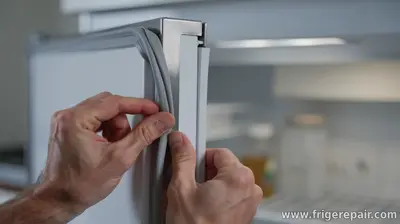
If your layout doesn’t allow an ideal location, consider shielding strategies—like curtains or reflective film for sun-facing windows—while still preserving airflow around the refrigerator. Think about temperature ratings if you’re using a garageRefrigerators are designed to operate within certain ambient temperature ranges. A garage may be outside those limits, particularly during hot spells (and also in winter, depending on the unit). When the surrounding air is too warm, the refrigerator may struggle to maintain the set temperature, causing higher energy use and potential temperature drift. Before moving your fridge to a garage or placing it near a garage door, verify its climate/ambient operating range in the manual or on the manufacturer’s specifications. If the appliance isn’t rated for your garage’s typical summer temperatures, consider alternatives such as relocating it indoors or using a unit specifically rated for garage/utility conditions. Use level floors and stable positioningEven though level placement is often discussed for ice makers, it matters for refrigeration reliability too. A refrigerator that’s not level can affect door sealing and internal airflow patterns. Ensure the unit is installed on a stable, level surface and adjust leveling legs as needed. If your Brooklyn apartment has slightly uneven flooring, taking five minutes to level the fridge can prevent persistent performance problems. Also confirm that the refrigerator door closes fully and that gaskets are intact. In hot environments, a small air leak can be amplified: warm air gets in more easily, increasing the compressor’s workload. Don’t trap the warm air—manage the room’s heatHot kitchens can push refrigerator performance even if the appliance is placed “correctly.” If your kitchen regularly runs warm due to cooking, poor ventilation, or lack of airflow, the refrigerator has to cool against a warmer baseline. Simple measures—like running an exhaust fan while cooking and keeping cabinet doors or nearby panels from blocking vents—can help reduce the ambient temperature the unit faces. For garage setups, you may not be able to control the environment entirely, but improving ventilation in the garage area can reduce peak heat exposure. Any ventilation approach should still avoid obstructing the refrigerator’s own air intake and exhaust paths. Make installation easier with smart spacingBrooklyn apartments often mean tight layouts. If you’re installing or moving a refrigerator into a confined niche, measure before you commit. Confirm there’s enough space to slide the unit in without crushing power cords or blocking vents, and check that you can still access the plug safely. Once installed, allow a stabilization period after moving it—especially if it was transported on its side or recently replaced. The appliance may take time to recover performance before temperatures fully stabilize. With careful placement—adequate clearance, distance from heat, attention to operating temperature ratings, and solid leveling—you can help your refrigerator run more efficiently in a hot kitchen or garage environment. In tight Brooklyn spaces, small placement decisions can translate into meaningful comfort, steadier cooling, and fewer performance surprises. | |
|
| |
Next & Previous posts
Related articles:

![]()