3:50 AM What Happens During a Refrigerator Service Call (Step by Step) | |
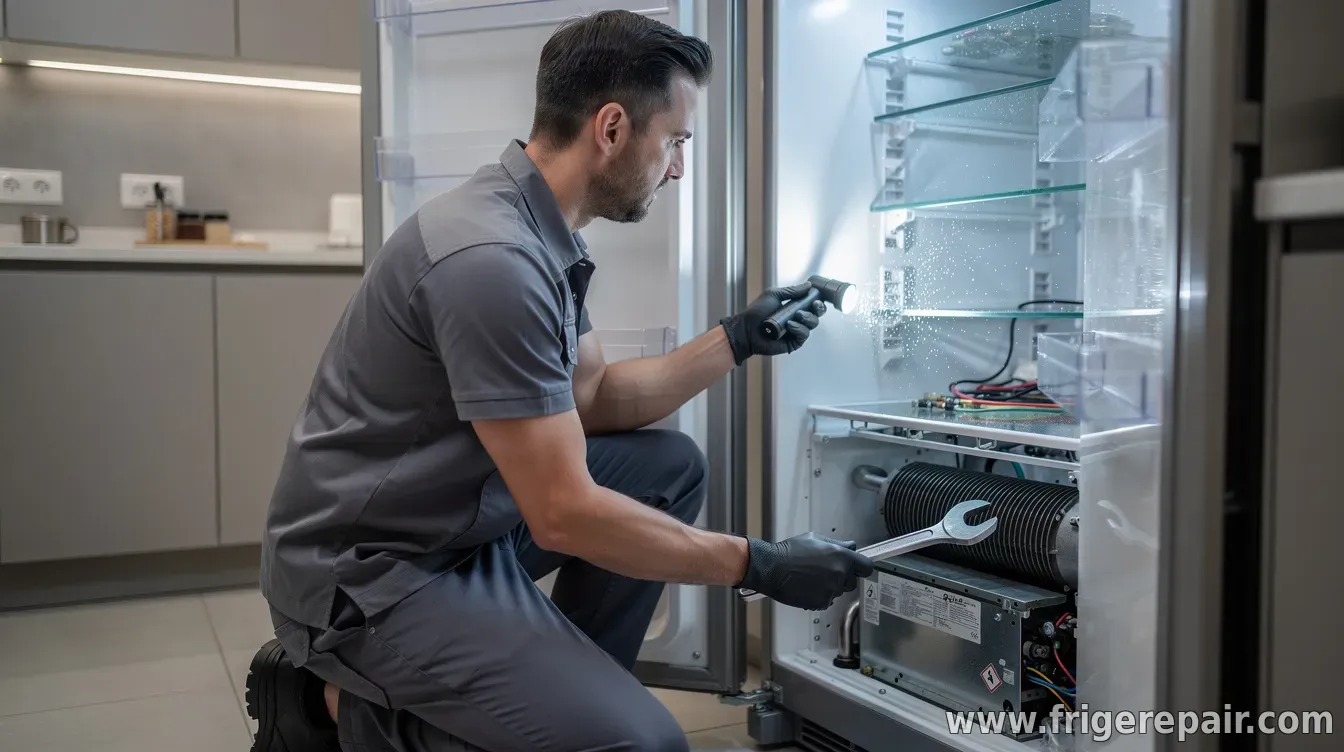 When your refrigerator stops cooling properly—or starts running noisily or inconsistently—calling a service technician is often the fastest way to identify the cause and prevent further damage. While each job varies by brand and symptom, most professional service visits follow a similar workflow. Below is what typically happens during a refrigerator service call, step by step. 1) Initial intake: symptoms, age, and recent changesThe technician begins by asking what’s happening (e.g., not cooling, freezing in the wrong compartment, warm air after the door has been closed for hours). They’ll also want to know the refrigerator’s model and approximate age, whether you’ve recently changed settings, moved the unit, replaced an internal part, or noticed any error codes. 2) Visual checks and quick operational testsNext, they perform a basic inspection without taking anything apart. This often includes checking the door seal/gasket condition, confirming the unit is level, and verifying that the condenser area isn’t blocked by dust or debris. The technician may also listen for normal operating sounds (compressor, fan operation) and confirm whether the display or interior lights behave normally. 3) Verify power and control settingsBefore deeper diagnostics, the service professional checks that the refrigerator is receiving power and that controls are set correctly. Depending on the symptoms, they may test outlets, inspect wiring connections, and confirm that thermistor/sensor readings and temperature controls are functioning within expected ranges. 4) Determine the cooling path: airflow, defrost, and refrigeration cycleRefrigerators rely on coordinated systems—cooling, airflow, and (for many models) defrost—to maintain consistent temperatures. The technician typically evaluates airflow and air damper behavior, checks for signs of defrost problems (such as excessive frost buildup or failure to clear frost), and considers whether the compressor and fans are cycling as intended. 5) Tests with diagnostic toolsAt this stage, the technician uses measurement tools to narrow down the fault. Common checks include temperature readings at key locations, electrical testing of components (such as fans, relays, start devices, or defrost components), and verifying sensor outputs. If the problem appears intermittent, the technician may monitor the unit’s behavior over time to capture the failure pattern. 6) Repair or replacement of the failed partOnce the likely root cause is identified, the technician proceeds with the appropriate repair—this could mean replacing a faulty thermostat/sensor, correcting a failing fan motor, addressing a defrost heater or control, repairing wiring, or replacing a defective relay/start component. In some cases, the repair may involve cleaning or correcting airflow-related issues that were preventing cooling. After any part replacement, they typically recheck connections and confirm the repaired component performs correctly. 7) Performance verification and temperature stabilizationWith repairs completed, the technician verifies that the refrigerator returns to proper operation. This often includes checking compressor and fan cycling, confirming airflow, and ensuring frost/defrost behavior looks normal for the model. Technicians also explain expected warm-up/cool-down timelines, since stabilized temperatures can take hours depending on the size of the refrigerator, ambient temperature, and how long food has been stored. 8) Safety checks, cleanup, and customer guidanceBefore leaving, the service call usually includes safety checks—ensuring electrical connections are secure, cabinet components are reassembled properly, and there are no unusual noises or vibrations. The technician may also clean the condenser area if it was significantly soiled and provide guidance on monitoring performance (such as confirming temperature readings, listening for normal cycling, and watching for repeat symptoms). Understanding what happens during a refrigerator service call can reduce uncertainty and help you communicate effectively with the technician. If you tell them exactly when the problem started, what changed beforehand, and what temperatures you’ve observed, the diagnosis process is often faster and more accurate. | |
|
| |
Next & Previous posts
Related articles:
![]()
![]()