Appliances are built to handle daily wear and tear, but persistent problems often signal that something more serious is going on. While simple issues may be manageable at home, certain warning signs are strong indicators that it’s time to call a professional appliance repair technician.
For homeowners and renters, the goal isn’t just to get the appliance working again—it’s to prevent further damage, avoid safety risks, and reduce the likelihood of repeat failures.
1) The problem is getting worse or keeps coming back
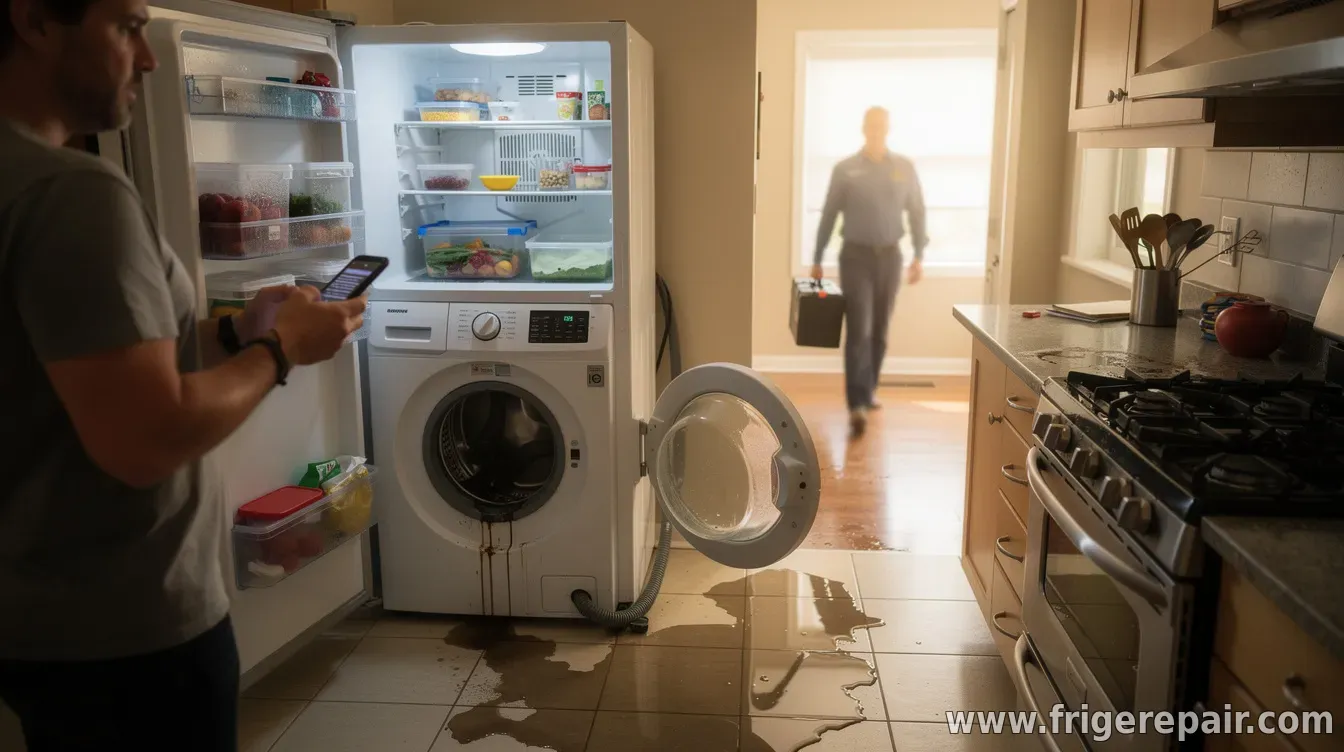
If your refrigerator is warming intermittently and then starts doing it more frequently, or your washing machine stops mid-cycle and eventually fails completely, that pattern usually means the underlying component isn’t resolving. Repairs that only “partially work” after repeated attempts can also suggest multiple issues developing at once.
In these cases, a technician can diagnose root causes&md
... Read more »
If your dryer is taking far longer than it used to, the problem is often less mysterious than it seems. Most “slow drying” complaints trace back to blocked airflow, insufficient heat, or dryer settings/load conditions that limit how efficiently moisture can escape.
1) Clogged lint trap or vent line
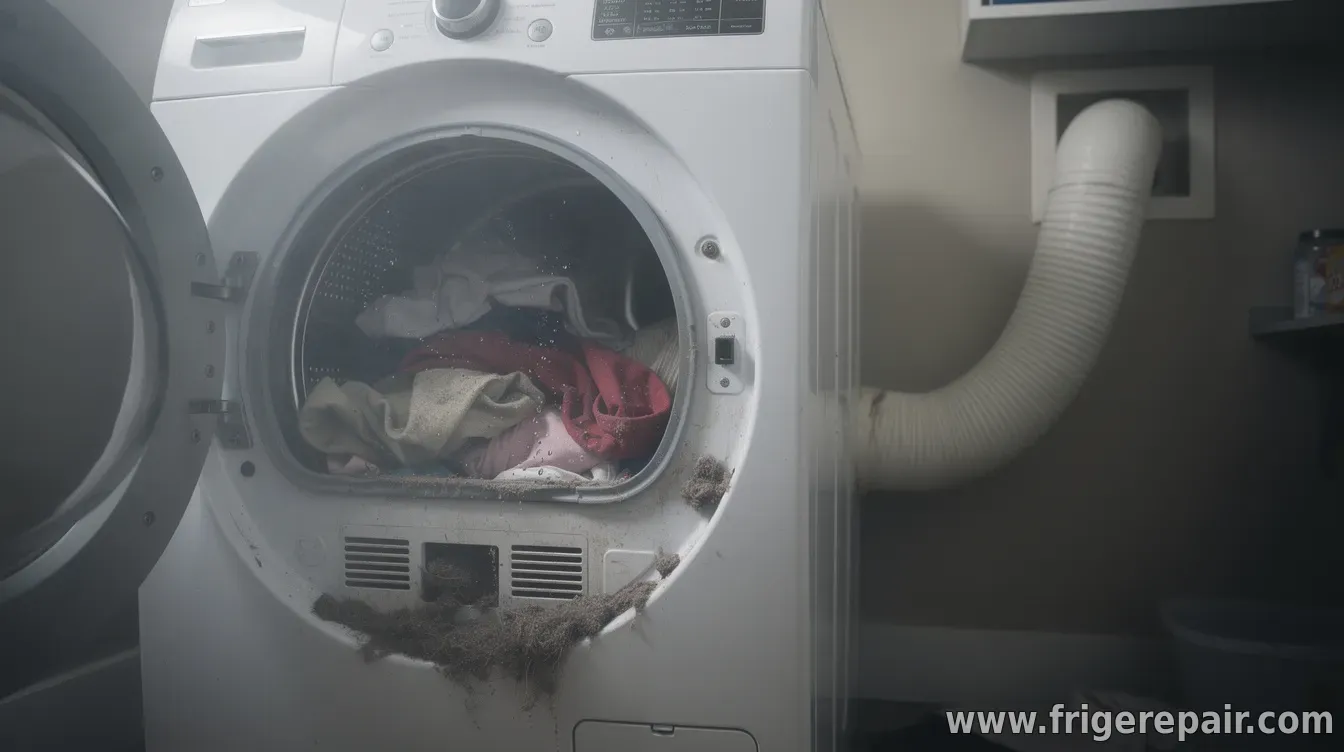
Start with the simplest—and most common—cause: airflow restriction. Lint buildup in the lint screen or inside the dryer’s housing can reduce circulation, while a clogged or partially blocked exhaust vent can trap moisture and heat. Over time, lint can accumulate beyond the lint trap, especially in long duct runs or where the vent has bends.
Quick check: remove lint from the lint screen after every load, and inspect the vent for kinks, crushed sections, or heavy lint buildup. If airflow feels weak at the outside vent, you likely found the culprit.
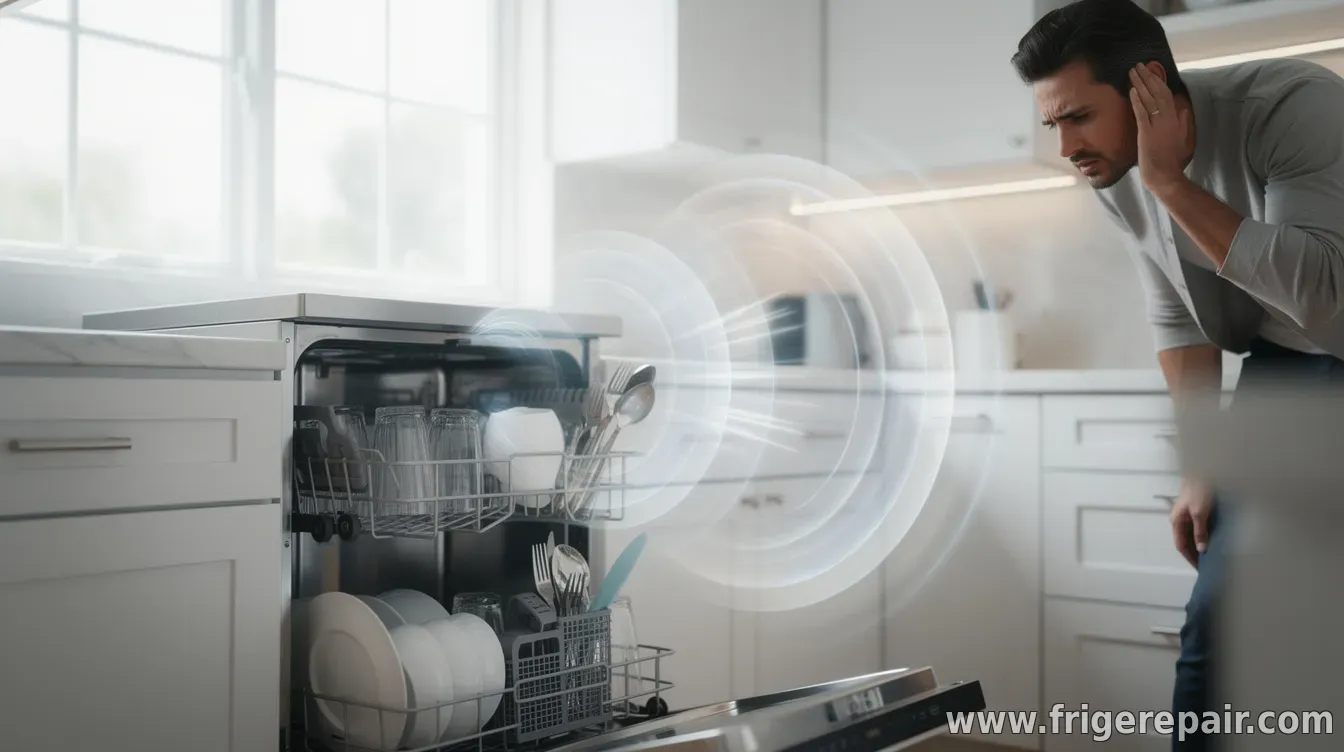
Dishwashers are designed to run quietly, so loud noises are a strong clue that something is wrong. While some sounds are harmless (such as water flow sounds), sudden banging, grinding, or persistent roaring often point to a mechanical problem that can worsen if ignored.
In most cases, the safest first step is to stop the cycle, unplug the unit (or switch off the breaker), and inspect the interior for obvious issues. Once you can see what’s happening, the type of noise becomes a useful guide for narrowing down the cause.
1) Rattling, clattering, or knocking
If you hear rattling or knocking during wash, a common culprit is loose items or parts that are striking the spray arms. Utensils that shift, a cutting board, or a poorly loaded rack can hit the rotating arm—sometimes producing a sharp knock that repeats each time the arm turns.
Check that dishes are properly seated and that nothing can fall into the rack’s movement path. Then ma
... Read more »
As fall weather settles in, appliances often face new demands—switching from heavy summer use to more frequent heating, cooking, and laundry. A short, seasonal maintenance routine can help extend appliance life, improve energy efficiency, and lower the risk of unexpected repairs.
HVAC, air flow, and ventilation
Start with heating and air quality. Replace or upgrade HVAC air filters according to the manufacturer’s guidance, and check that vents aren’t blocked by furniture, rugs, or curtains. If your system uses a furnace or heat pump, inspect the thermostat settings and confirm it switches smoothly between modes.
Next, focus on ventilation. If you have a dryer, clean the lint trap area and have the dryer vent professionally cleaned when due. A clogged vent not only slows drying but can also increase safety risks.
Kitchen appliances for steady performance
For refrigerators and freezers, check seals for gaps, and ensure the
... Read more »