
6:48 AM Why Your Refrigerator Is Too Cold and Food Freezes |
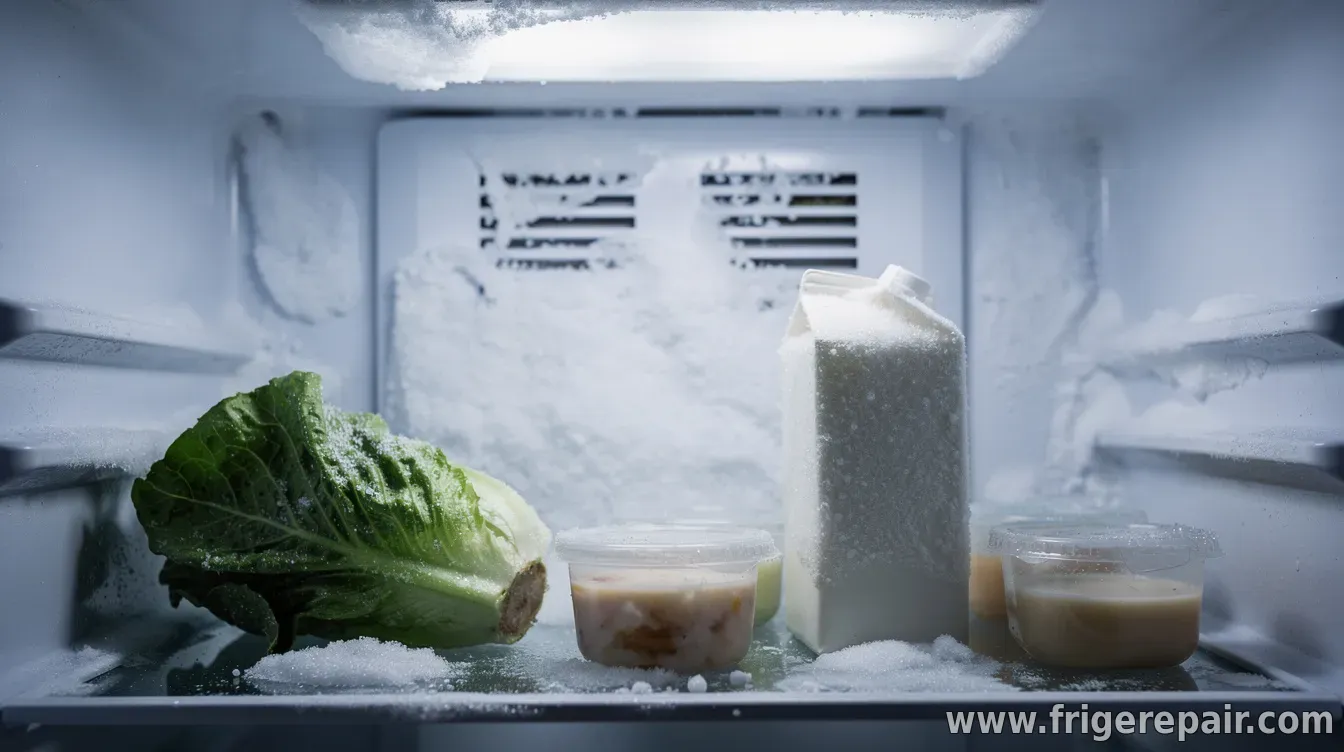 Finding frozen or ice-crystal food in the refrigerator section is a common problem—and it’s often fixable. While freezers are designed to run cold, the fridge compartment should generally stay in a safe, chilled range. When it doesn’t, items near air vents, back walls, or moisture-prone areas can freeze. Start with the temperature setting. Many refrigerators have a “cold” scale (for example, 1–5 or 1–7) and the default may not work for every home. If the setting is too low, the compressor and cooling system will overcompensate, dropping fridge temperatures fast. Adjust the dial or digital control one step at a time, then wait 12–24 hours to confirm the effect. Check for airflow issues and cold spots. Most fridge compartments rely on controlled airflow from vents. If a vent is blocked by containers or covered with food, cold air can concentrate in one area, causing nearby items to freeze. Make sure vents are not obstructed and that items are arranged with some space around them, especially near the back or side walls. Inspect the crisper drawer and humidity controls. The crisper area is designed to manage moisture for produce, but incorrect settings or a misaligned drawer can lead to freezing. If your produce drawer has a humidity slide or separate control, experiment carefully: reduce humidity or reposition items so they’re not pressed directly against the coldest surfaces. Look for signs the defrost system or sensors may be off. Refrigerators use sensors and a defrost cycle to maintain stable conditions. If components such as the temperature sensor, thermostat, or defrost heater/melt system are malfunctioning, the fridge can run colder than intended or have uneven cooling. Symptoms can include frost buildup near vents or unexpectedly low temperatures across the compartment. Consider the door seal and loading habits. A leaking door seal can cause the fridge to run longer to recover temperatures, but it more commonly leads to warm sections or humidity issues. Still, frequent door openings, overpacking, or placing hot food directly into the fridge can stress the cooling system and contribute to instability. Let cooked food cool first, avoid blocking vents, and close the door firmly. Practical troubleshooting steps you can try todayBefore scheduling service, use a systematic approach:
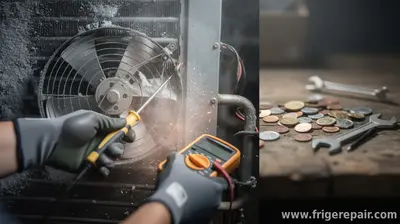
If your thermometer confirms fridge temperatures are repeatedly far below the recommended range, continued freezing after adjustment suggests a likely mechanical or control problem. When to call a technicianContact a qualified repair professional if you’ve tried temperature adjustments and airflow checks, but the fridge keeps freezing food, or if you notice persistent frost buildup, error codes, unusual compressor cycling, or inconsistent temperatures between different shelves. These can point to sensor failures, control board issues, or other components that require proper diagnostics. With the right temperature control, unobstructed airflow, and functioning sensors, refrigerator compartments can maintain stable cooling and protect food texture and quality—without turning everyday groceries into frozen blocks. |
|
|
Next & Previous posts
Related articles:
![]()