6:52 AM Refrigerator Beeping or Showing Error Codes: What to Do |
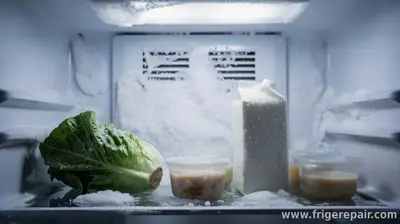
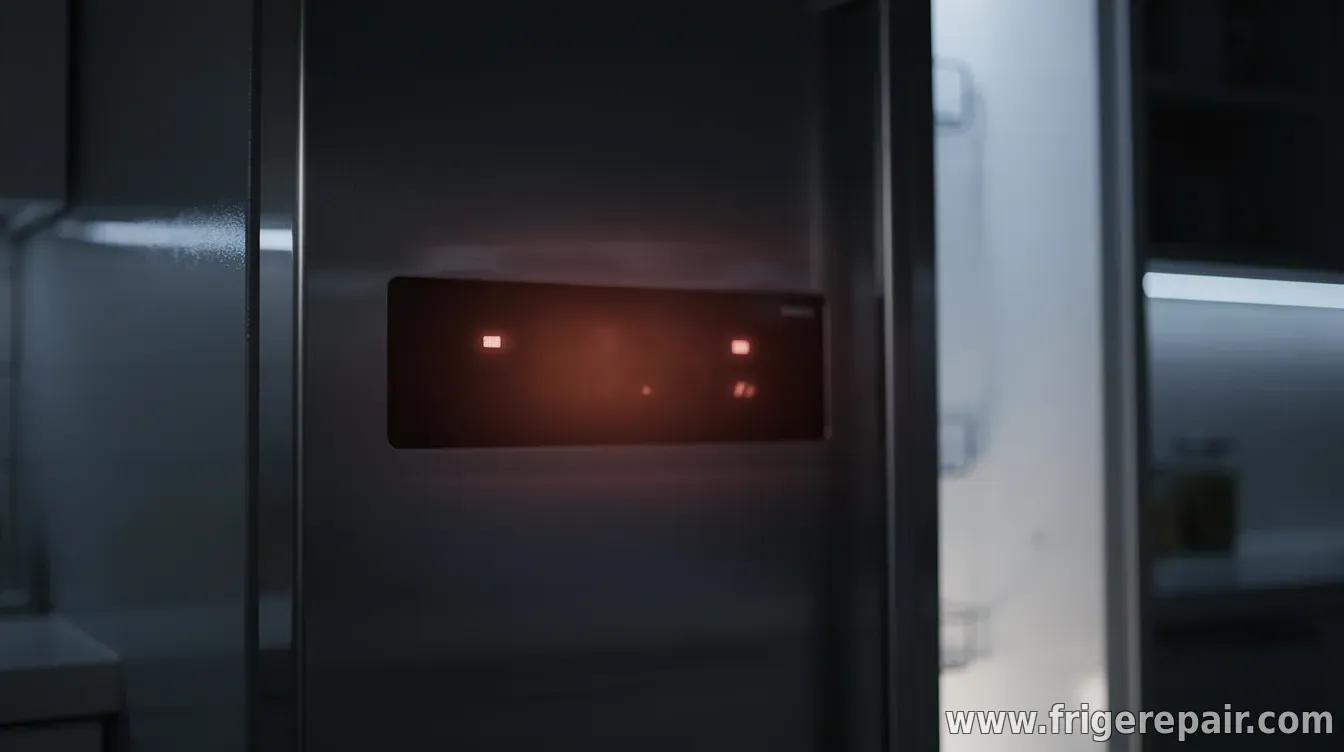 A refrigerator that suddenly starts beeping or displays an error code can be concerning—but many alerts are triggered by common, fixable conditions. While some issues require a technician, several quick checks can often narrow down the cause and prevent food spoilage. First, pay attention to the pattern and display. Continuous beeping, intermittent alarms, or a blinking indicator can point to different problems. If your model shows a specific code (for example, for temperature or defrost), note it down exactly as it appears. Common triggers for beeping and alarmsMany refrigerators beep when the temperature inside drifts out of range, when the door isn’t fully sealed, or when the unit detects a problem with the cooling cycle. Other frequent triggers include ice-maker or water-dispenser faults, blocked vents, or recent power interruptions that make the refrigerator re-check its operating state. If the alarm seems “door-related,” inspect the basics: make sure nothing is preventing the door from closing fully, check that shelves and bins aren’t protruding, and confirm the door gasket (the rubber seal) isn’t cracked or dirty. Even a small gap can cause the system to trigger an alarm. How to respond to temperature or defrost-related codesTemperature and defrost errors are among the most common code categories. If the fridge or freezer is warmer than expected, verify airflow: do you hear normal fan operation, and are vents blocked by food packaging or items pushed too close? Overpacked shelves can restrict circulation and lead to sensor readings outside the normal range. For defrost-related issues, look for signs such as unusual ice buildup or frost in areas where it shouldn’t be. If you notice heavy frost, the refrigerator may not be cycling correctly. Avoid manually chipping ice; instead, follow your model’s manual guidance for defrost behavior or safe troubleshooting. Reset steps you can try (safely)Before any reset, check the owner’s manual for model-specific instructions—some brands recommend specific button sequences to silence alarms without wiping settings. In general, you can also try restarting the refrigerator per the manual: unplug the unit for a short period, then plug it back in, and allow time for temperatures to stabilize. When restarting, keep the food protected. If the unit appears unable to cool properly, consider relocating perishable items to a cooler with ice packs while you diagnose the cause or arrange service. When sensors or components may be at faultError codes sometimes indicate sensor problems, such as a faulty temperature probe or an issue with the control system. Other times, the refrigerator may interpret abnormal readings because of restricted airflow, a failing fan, or a malfunctioning defrost heater. If the same code returns after basic checks and a reset, that’s a strong sign the issue is not just temporary. Also note whether the code appears after a power outage. Sudden power fluctuations can cause the refrigerator to run diagnostic cycles and momentarily display alerts, then clear them once operation stabilizes. What to do nextTo move from troubleshooting to a reliable diagnosis, record the exact error code, the beeping pattern (and how long it lasts), and the current temperature in both compartments. Then compare your observations against the manual’s code chart. If the unit repeatedly alerts, fails to cool, or shows defrost/temperature codes that don’t clear after recommended steps, contacting a qualified appliance technician is the safest way to restore reliable operation and protect food. |
|
|
Next & Previous posts
Related articles:
![]()