8:11 AM Side-by-Side vs. French Door Refrigerators: Repair Differences |
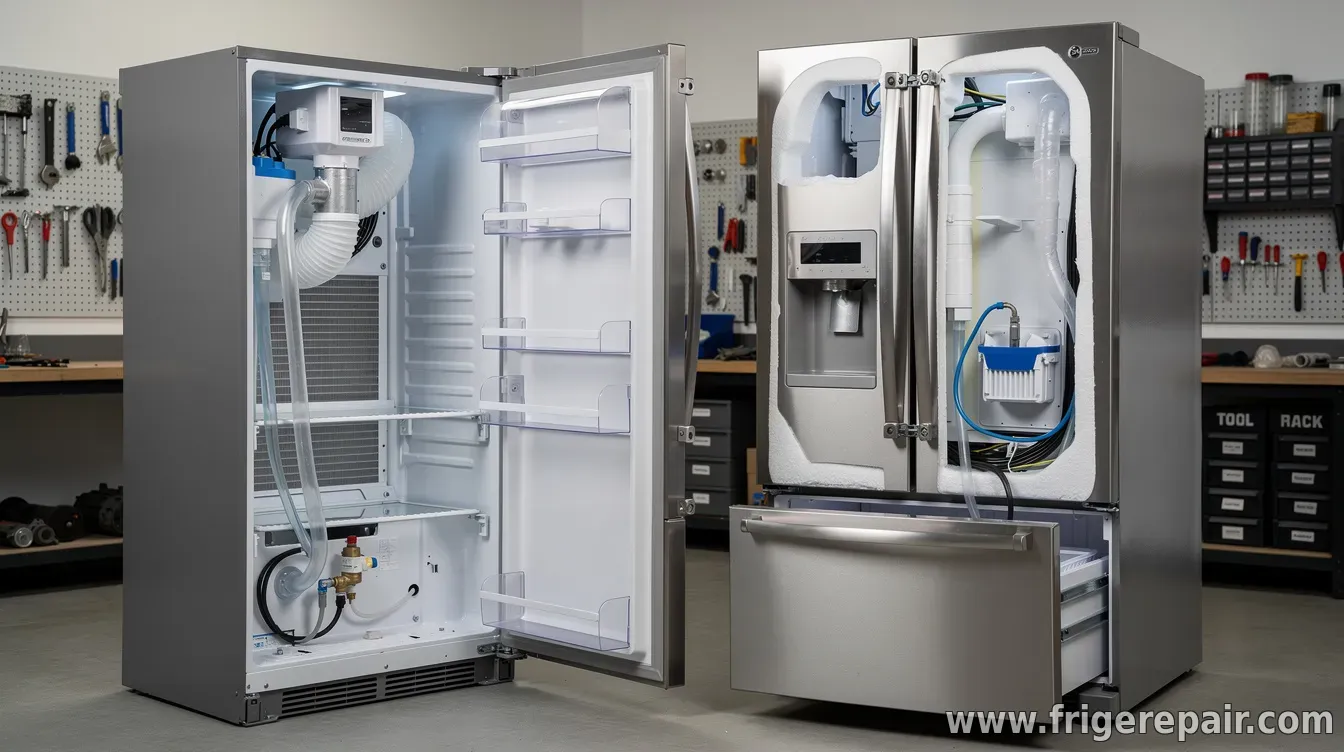 Modern refrigerators share the same core job—keeping food cold—but their internal layouts can vary a lot. That matters for repairs, because where components are located, how air circulates, and how doors seal all influence what breaks first and how technicians diagnose the problem. Below is a practical breakdown of the most common repair differences between side-by-side and French door refrigerator designs, plus what homeowners should watch for before scheduling service. 1) Ice and water systems: more exposed in French door modelsFrench door refrigerators frequently place ice and water dispensing components in the door area or in nearby assemblies, which can make them more susceptible to issues tied to water delivery. If you notice slow ice production, hollow cubes, leaking at the dispenser, or air in the water line, the root cause is often the water inlet valve, water filter, fill tube (where applicable), or dispenser-related seals. In many side-by-side units, the ice maker is also door-adjacent, but the overall module layout can differ. Repairs may still center on the same parts (valve, filter, ice maker motor), yet service access can be easier or harder depending on the model’s internal mounting points. 2) Temperature and airflow problems: French doors often need different troubleshootingCooling performance usually depends on airflow paths and damper/thermostat control. French door refrigerators tend to use a multi-airflow strategy: air is directed to compartments and regulated by dampers and sensor feedback. When you see symptoms like one side getting warmer, inconsistent temperatures after frequent door openings, or repeated compressor cycling, technicians often focus on air dampers, evaporator fan behavior, and temperature sensors. Side-by-side models also rely on controlled airflow, but their compartment layout can make the “which side is off” clue more specific. If one compartment runs warm while the other remains stable, service typically starts with verifying sensor readings and checking for airflow restrictions—like blocked vents or a failing fan. 3) Door seals and hinges: both matter, but French doors may show wear soonerDoor sealing is critical in both designs, yet French door units use multiple door surfaces and a more complex door geometry. Misalignment, worn gaskets, or hinge wear can lead to cold air leakage, frost buildup, and elevated compressor run time. You may also notice condensation near the edges or a “drafty” feeling when closing. Side-by-side refrigerators usually have one large vertical door per side section. Repairs may still involve gasket replacement, hinge adjustments, or latch alignment—but the failure pattern can differ because the sealing surfaces and contact points are typically simpler. For either style, a damaged gasket is often a “repair that pays off quickly,” because it can reduce cooling load and prevent longer-term issues like compressor overheating or ice formation in unwanted places. 4) Defrost and drain systems: similar components, different accessBoth side-by-side and French door refrigerators use defrost cycles and drain paths to manage frost. The components may include a defrost heater, defrost thermostat (or thermistor), and drain pan with a drain line. If you notice ice buildup on the evaporator area, water pooling inside, or frequent “no cool” episodes, technicians will typically test defrost function and inspect the drain path. The big difference is often where those parts sit and how they’re reached. French door layouts can require additional disassembly to reach certain interior assemblies, while side-by-side units may offer quicker access depending on the model’s evaporator cover and service panel design. Cost and time can vary even when the underlying part is similar. The same symptom (for example, water leaks) can lead to a different repair approach once the technician discovers whether the issue is defrost-related, drain-clog-related, or seal/airflow-related. What to tell the technician (saves time and money)Before a service visit, gather observations that map to the most common failure modes:
These details help narrow the diagnosis toward airflow control, sensors, defrost circuitry, water delivery, or door sealing—regardless of whether the unit is side-by-side or French door. In short, the two styles share many fundamental components, but their layouts change which parts are most likely to fail, how symptoms present, and how easy repairs are to perform. If you’re comparing ownership costs or planning preventive maintenance, pay attention to ice/water access, door seal condition, and airflow behavior—because those factors often determine how repairs play out. |
|
|
Next & Previous posts
Related articles: